Fish eggs, delicate and brimming with potential, hold the key to a vibrant aquatic world. This comprehensive guide delves into the intricacies of fish egg incubation, offering a step-by-step approach to successfully hatching these precious specimens. From selecting the healthiest eggs to nurturing the fry, we’ll explore every critical aspect of this fascinating process.
We’ll begin by examining the vital steps of egg selection and preparation, including identifying healthy eggs, separating them from the parent fish, and understanding the unique needs of different fish species. We will then delve into creating the ideal incubation environment, considering water parameters, temperature, aeration, and lighting. This is followed by detailed discussions on water quality management, crucial for maintaining a pristine environment throughout the incubation period.
Egg Selection and Preparation
Proper selection and preparation of fish eggs are crucial for successful hatching. Careful attention to detail during these stages significantly impacts the viability and health of the developing fry. This section provides a detailed guide on identifying healthy eggs, separating them from the parents, considering various fish egg types, and maintaining optimal water conditions.
Identifying Healthy Fish Eggs
Healthy fish eggs exhibit specific characteristics. They should be firm, intact, and free from visible deformities or discoloration. Inspect the eggs for any signs of fungus, mold, or parasites. A healthy egg typically has a vibrant, translucent appearance, revealing the developing embryo within. Observe the eggs for any abnormal movement or unusual color changes.
Separating Eggs from Parent Fish
Carefully separate the eggs from the parent fish to prevent them from being eaten or damaged. Use gentle techniques to avoid stressing the fish. Netting or a gentle suction method can be employed, depending on the size of the fish and the quantity of eggs. After collecting the eggs, transfer them to a separate, clean container. Avoid sudden changes in water temperature and ensure the new container has similar water parameters to the original.
Different Types of Fish Eggs and Care Requirements
Fish eggs vary significantly in appearance, size, and care requirements. Some eggs are adhesive, attaching to substrates like plants or rocks. Others are buoyant, floating freely in the water column. Understanding the specific characteristics of the eggs is essential for providing optimal care. Different species require different incubation times and water conditions.
The type of substrate and the presence of oxygen in the water must be carefully considered for proper development.
Maintaining Proper Water Temperature and pH
Maintaining the correct water temperature and pH is paramount for successful egg development. Temperature fluctuations can negatively impact the developing embryos. Use a reliable thermometer and pH meter to monitor these parameters. Maintaining a consistent environment is vital. Adjustments should be made slowly and carefully to prevent sudden shocks.
It is recommended to maintain the water temperature within a narrow range, as excessive variations can halt the development. Maintaining a stable pH is also essential to prevent stress and ensure the health of the eggs.
Table of Fish Egg Characteristics
| Fish Species | Egg Shape/Size | Incubation Time (days) | Ideal Water Temperature (°C) | Ideal pH | Substrate Preference |
|---|---|---|---|---|---|
| Goldfish | Small, spherical, adhesive | 3-5 | 22-26 | 7.0-7.5 | Substrate-free, or gentle plant cover |
| Guppy | Small, oval, buoyant | 20-25 | 24-28 | 7.0-7.5 | Floating |
| Betta | Small, adhesive, oval | 25-30 | 26-28 | 6.5-7.5 | Substrate-free, or gentle plant cover |
| Rainbow Trout | Large, adhesive, oval | 50-60 | 10-14 | 7.0-7.5 | Substrate with gentle current |
Note: Values in the table are approximate and may vary depending on specific conditions and strains. Always consult reliable sources for species-specific information.
Incubation Environment Setup
Establishing a suitable incubation environment is critical for successful fish egg hatching. Proper conditions mimic the natural environment where fish eggs develop, ensuring healthy fry emergence. This involves meticulous attention to water quality, temperature, aeration, and lighting. Failure to maintain optimal conditions can lead to high mortality rates.
Creating a Suitable Hatching Environment
A successful hatching environment requires careful consideration of several factors, each playing a crucial role in the survival and development of the fish eggs. The following table Artikels these factors and their importance:
| Factor | Water Parameters | Temperature (°C) | Aeration | Lighting |
|---|---|---|---|---|
| Salmonids | pH 6.5-7.5, Hardness 50-150 ppm | 10-15 | High, with gentle flow | Low, diffused light |
| Cichlids | pH 7.0-8.0, Hardness 100-250 ppm | 25-30 | Moderate, with gentle flow | Low, diffused light |
| Catfish | pH 6.5-7.5, Hardness 50-100 ppm | 24-28 | Moderate, with gentle flow | Low, diffused light |
The table above provides a general guideline. Specific requirements may vary depending on the particular species of fish. Always consult reputable sources for species-specific needs.
Maintaining a Clean and Sterile Environment
Preventing fungal infections is paramount to successful hatching. A clean and sterile environment minimizes the risk of these infections. This is achieved through rigorous hygiene practices.
- Water Treatment: Regularly change the water in the incubation environment. Using a filtration system and a dechlorinator helps maintain water quality. This removes harmful substances and prevents harmful bacteria build-up. Regular water changes are essential for preventing the accumulation of waste products, which can promote bacterial growth.
- Substrate Selection: Choose a substrate that is easy to clean and disinfect. Avoid using materials that can harbor bacteria. Materials like smooth, non-porous plastic or glass are excellent choices for their ease of cleaning and disinfection.
- Equipment Sanitization: Thoroughly clean and disinfect all equipment used in the incubation process, including containers, aerators, and filters. A disinfectant like 10% bleach solution is suitable, but use it with extreme care. Follow the instructions carefully and ensure proper dilution. Allowing equipment to dry completely before use helps prevent bacterial growth.
Maintaining Constant Water Quality and Temperature
Maintaining consistent water parameters is critical for healthy egg development. Fluctuations can disrupt the delicate balance of the incubation environment, potentially leading to high mortality.
- Water Temperature Control: Use a reliable thermostat to maintain a stable temperature. Sudden temperature changes can be detrimental to the developing embryos.
- Water Quality Monitoring: Regularly test water parameters like pH, ammonia, nitrite, and nitrate levels. Maintain optimal levels to support healthy development.
- Water Circulation: Ensure adequate water circulation to prevent stagnant water, which can lead to bacterial growth and oxygen depletion.
Materials for Incubation Environments
Various materials can be used to construct incubation environments. The choice depends on the specific requirements of the fish species and the desired level of control over the environment.
- Plastic containers: Available in various sizes and shapes, plastic containers are cost-effective and easy to clean.
- Glass aquariums: Offer better visibility for monitoring the eggs, but can be more expensive and heavier.
- Custom-built incubators: These offer greater control over temperature, humidity, and aeration. They are often used for large-scale hatcheries or for specialized fish species.
Water Quality Management
Maintaining optimal water quality is paramount during the incubation period of fish eggs. Healthy water parameters directly impact the survival and development of the embryos. A consistent and well-managed environment minimizes stress on the eggs, promoting healthy growth and maximizing hatching rates. This section details the crucial aspects of water quality management, from monitoring parameters to ensuring cleanliness and adequate aeration.
Significance of Optimal Water Parameters
Maintaining optimal water parameters is critical for successful fish egg incubation. Fluctuations in temperature, pH, dissolved oxygen, and ammonia levels can negatively impact embryonic development. Slight deviations can cause stress, inhibiting growth, and increasing mortality rates. A stable environment minimizes these risks and encourages healthy development, ultimately increasing the success rate of hatching.
Monitoring and Adjusting Water Parameters
Regular monitoring and adjustments are essential for maintaining optimal water parameters. This involves consistently checking key parameters like temperature, pH, dissolved oxygen, and ammonia levels. Temperature fluctuations, for instance, can disrupt metabolic processes, hindering development. Precise control of these parameters ensures a consistent and favorable environment for the eggs. Adjustments should be made cautiously and gradually, avoiding sudden changes that can stress the developing embryos.
Utilizing reliable testing kits and following the manufacturer’s instructions are crucial for accurate readings.
Maintaining Water Cleanliness and Avoiding Contamination
Maintaining water cleanliness is vital to prevent contamination. Regular water changes, ideally partial, help remove waste products and excess nutrients that can lead to harmful bacteria and algae growth. Proper sanitation of the incubation system and careful handling of eggs further contribute to preventing contamination. Identifying and addressing any signs of contamination promptly is crucial. For example, if a foul odor emerges or algae blooms, immediate action is needed to restore water quality.
Water Filtration Methods
Different filtration methods are suitable for fish egg incubation. Mechanical filtration, using filters like sponges or foams, primarily removes larger particles. Chemical filtration, employing activated carbon or resins, helps neutralize harmful chemicals. Biological filtration, with beneficial bacteria, breaks down organic waste. Choosing the appropriate filtration method depends on the specific needs of the eggs and the overall incubation setup.
For example, a simple sponge filter might suffice for a small batch of eggs, while a more comprehensive system with multiple filtration stages might be necessary for larger-scale incubations.
Aeration and Oxygenation
Adequate aeration and oxygenation are crucial for healthy egg development. Oxygen is vital for respiration, and a lack of oxygen can cause stress and death in developing embryos. Proper aeration, through methods like air pumps and air stones, ensures sufficient oxygenation of the water. Consistent monitoring of dissolved oxygen levels is necessary to ensure adequate oxygen supply, especially during the active development phase of the embryos.
Regular adjustments to the aeration system are important to maintain optimal oxygen levels. For instance, increasing the aeration rate during periods of high metabolic activity in the eggs can prevent oxygen depletion.
Incubation Process and Monitoring
The incubation process is a critical stage in fish reproduction, directly influencing the survival and health of the emerging fry. Careful monitoring and management of the incubation environment are essential for optimal development and minimizing losses. Understanding the typical incubation duration, recognizing signs of healthy development, and promptly addressing potential issues are crucial for successful fish egg hatching.
Typical Incubation Durations
Various factors influence the incubation period, including water temperature, oxygen levels, and the specific fish species. A general guideline for incubation duration is essential for appropriate monitoring. Different species have different development times. For example, goldfish eggs typically hatch within 2-3 days at optimal temperatures, while certain tropical fish species may take 4-7 days. Precise incubation times are crucial for ensuring appropriate intervention when issues arise.
Referencing a species-specific guide is always recommended.
Signs of Healthy Development
Observing the development of the fish eggs is critical for successful hatching. Healthy eggs display specific characteristics throughout the incubation process. Initially, the egg should remain firm and intact, with a clear or slightly translucent appearance. As development progresses, the embryo within the egg should show signs of movement. This often manifests as subtle twitching or swirling within the egg’s contents.
A healthy embryo will appear plump and well-formed, demonstrating the healthy development of vital organs and structures.
Identifying and Addressing Potential Problems
The incubation period is susceptible to various challenges. These issues may arise from environmental factors or internal egg conditions. Early detection and appropriate intervention are critical for successful hatching. For example, improper water quality can cause stress, impacting development. Regular monitoring is crucial for timely intervention.
Fungal or Bacterial Infection Management
Fungal or bacterial infections can quickly compromise the health of the developing fish eggs. If such infections are suspected, immediately isolate affected eggs from the main incubation batch. Examine the eggs carefully for signs of fungal growth, such as fuzzy or moldy spots. Treating with appropriate anti-fungal or antibacterial medications, as per veterinary advice, is crucial. Maintaining excellent water quality is a preventive measure against infections.
Regular Monitoring of the Incubation Environment
Regular monitoring of the incubation environment is critical to prevent unforeseen problems. Check the water temperature and oxygen levels at least twice daily. Observe the eggs for any unusual signs, such as abnormal movement or discoloration. Record these observations in a logbook, noting any changes or anomalies. Consistency in monitoring ensures timely responses to potential issues.
Table of Potential Problems and Solutions
| Potential Problem | Possible Cause | Solution |
|---|---|---|
| Abnormal egg shape or discoloration | Genetic defect, environmental stress, or infection | Isolate affected eggs. Monitor for further development. Check water quality. |
| High mortality rate | Poor water quality, insufficient oxygen, or infection | Adjust water parameters (temperature, pH, ammonia). Increase aeration. Isolate infected eggs. |
| Delayed or no hatching | Poor water quality, inadequate temperature, or egg defects | Examine water quality. Adjust temperature. Assess egg viability. |
| Presence of fungal or bacterial growth | Contamination of water or eggs | Isolate infected eggs. Use appropriate medication. Improve water quality. |
Fry Care and Handling

The successful hatching of fish eggs marks a crucial stage in aquaculture. Proper care of the newly hatched fry is paramount for achieving high survival rates and optimal growth. This phase demands meticulous attention to nutrition, water quality, and environmental factors to ensure the healthy development of these fragile organisms.Careful handling and management of fry, from the moment they emerge from their eggs, are essential to maximize their potential for growth and survival.
A supportive environment and appropriate nutrition play a vital role in ensuring a healthy start for the fry.
Post-Hatching Care
Immediate attention to the fry’s needs is vital after hatching. The fry are highly susceptible to stress and environmental fluctuations. Maintaining optimal water parameters, temperature, and oxygen levels is crucial during this initial period. Fry are also highly vulnerable to predation by larger fish or other aquatic organisms, and preventative measures should be in place.
Nutritional Requirements
Providing the newly hatched fry with appropriate nutrition is essential for their development. Microscopic organisms form the foundation of their diet in the early stages. These organisms are rich in essential nutrients, proteins, and fats required for growth and development.
- Infusoria and Rotifers: These are common starter foods for newly hatched fry. They are readily available and easily cultured, offering a balanced source of nutrition. Infusoria, for example, provide a significant amount of protein and essential fatty acids.
- Artemia Nauplii: Artemia nauplii are another excellent source of protein and lipids, crucial for the fry’s growth. These tiny crustacean larvae are widely used in aquaculture due to their high nutritional value and ease of availability.
- Microalgae: Microalgae, such as Spirulina and Chlorella, are also excellent sources of nutrients for fry. They offer a rich source of vitamins, minerals, and proteins. These microscopic algae provide a balanced and complete diet, fostering healthy growth.
Gradual Diet Transition
Gradually introducing fry to different types of food is essential for their digestive systems to adapt. Sudden shifts in diet can lead to digestive problems and reduced growth. A gradual transition ensures smooth assimilation and utilization of nutrients from the new food source.
Environmental Considerations
Maintaining a suitable environment for the fry is critical for their well-being. The fry require a controlled environment that mirrors the conditions of their natural habitat. This includes precise temperature, pH, and dissolved oxygen levels.
- Water Quality: Maintaining optimal water quality is paramount. Regular water changes and monitoring of ammonia, nitrite, and nitrate levels are vital for the fry’s health.
- Tank Size and Density: Ensure the tank size is appropriate for the number of fry. Overcrowding can lead to stress and disease. Maintaining an appropriate stocking density is crucial for fry well-being and survival.
- Lighting and Filtration: Adequate lighting and a proper filtration system are important for creating a healthy environment. The appropriate lighting conditions are necessary for growth and development.
Problem Identification and Solutions
Recognizing and addressing common problems encountered with fry is crucial for successful aquaculture. These problems can include diseases, poor growth, or high mortality rates.
- Disease Prevention and Treatment: Proactive measures for disease prevention, such as maintaining good water quality, are essential. Early detection and treatment of any disease outbreaks are vital to minimize losses. Monitoring for signs of illness, such as lethargy, fin rot, or unusual behavior, is crucial for early intervention.
- Nutritional Deficiencies: Recognizing nutritional deficiencies is essential for addressing any developmental issues. Proper nutrition is paramount for fry development and growth. Adjusting the diet to include necessary nutrients is critical.
- Environmental Stressors: Understanding and mitigating environmental stressors, such as fluctuations in water temperature or pH, are vital. Maintaining a stable environment reduces stress on the fry, promoting healthy development.
Fry Food Types and Nutritional Value
A variety of fry foods are commercially available, each with specific nutritional profiles. Understanding the nutritional content of these foods helps in choosing the appropriate diet for the fry.
| Food Type | Nutritional Value |
|---|---|
| Infusoria | High in protein and essential fatty acids |
| Rotifers | Balanced source of nutrition, proteins, and fats |
| Artemia Nauplii | Excellent source of protein and lipids |
| Microalgae | Rich in vitamins, minerals, and proteins |
Troubleshooting and Common Issues
Maintaining optimal conditions for fish egg incubation is crucial for successful hatching. Troubleshooting common issues and understanding their causes can significantly improve the survival rate of fry. Early detection and appropriate responses are vital to mitigate problems and ensure a healthy start for the developing fish.
Egg Mortality and Preventative Measures
Egg mortality during incubation can stem from various factors. Poor water quality, temperature fluctuations, fungal or bacterial infections, and inadequate oxygen levels can all contribute to reduced hatching rates. Implementing stringent water quality control measures, maintaining a stable temperature regime, and providing a healthy environment are crucial preventative steps. Regular monitoring is essential to identify potential problems early.
- Physical damage to the eggs, such as from mishandling or debris, can lead to reduced hatching success. Careful handling procedures and thorough egg inspection prior to incubation are essential.
- Improper incubation environment can result in high mortality. Factors such as excessive light, insufficient aeration, and inappropriate substrate can stress developing embryos. Maintain a consistent environment, ensuring appropriate temperature, humidity, and oxygen levels.
- Genetic abnormalities in the eggs can cause reduced viability. Proper selection of parent fish and genetic screening can help minimize this risk. Genetic predisposition is a factor that cannot be controlled in all cases.
- Stressful handling, such as inadequate water changes or abrupt temperature shifts, can cause egg mortality. Maintain a stable environment, and conduct water changes slowly and carefully.
Fungal Infections
Fungal infections are a common threat to fish eggs. Identifying the presence of fungus early is critical. Symptoms often include a fuzzy, white, or grayish growth on the egg surface. Maintaining good water quality, preventing overcrowding, and using antifungal medications (with caution and following instructions) are crucial to combating fungal outbreaks. Prompt treatment is vital to prevent widespread infection.
- Diagnosis: A microscope is useful for precise identification. Observe the eggs closely for signs of fungal growth. Microscopic examination will reveal the presence of hyphae, the filamentous structures that form the fungus.
- Treatment: Antifungal medications are available, but proper application is crucial. Follow the instructions of the specific medication used, as dosages and procedures may vary.
- Prevention: Maintaining a healthy water environment, minimizing stress on the eggs, and preventing overcrowding are key to preventing fungal outbreaks. Routine monitoring and prompt action are essential to avoid widespread fungal infections.
Bacterial Infections
Bacterial infections can also affect fish eggs, manifesting in various ways. Early signs of bacterial infection include darkened or discolored eggs, and potentially, a foul odor in the water. Identifying the bacterial strain and implementing appropriate treatment protocols are essential to contain the spread. Maintaining high water quality and implementing preventative measures are key strategies.
- Bacterial Types: Pseudomonas and Aeromonas are common bacterial pathogens affecting fish eggs. Various types of bacteria can be present in the water and can cause various infections.
- Treatment: Antibiotics can be administered to combat bacterial infections, but the selection and dosage of antibiotics are crucial. It is imperative to consult with a veterinarian or aquaculture specialist to determine the appropriate antibiotic and dosage for the specific bacterial strain involved.
- Prevention: Maintaining excellent water quality, avoiding overcrowding, and ensuring proper aeration are vital to prevent bacterial proliferation. Early detection and prompt treatment can significantly reduce the impact of bacterial infections.
Water Quality Issues
Deviations from optimal water parameters can negatively impact fish egg development and hatching rates. Inadequate oxygen levels, ammonia spikes, and high nitrite concentrations can cause severe damage to developing embryos. Regular monitoring and adjustments to water parameters are critical for maintaining a healthy incubation environment.
- Ammonia and Nitrite: High levels of ammonia and nitrite can be toxic to fish eggs. Regular water changes and the use of biological filtration are essential to maintaining appropriate levels. Ammonia and nitrite levels should be checked and adjusted using appropriate testing kits.
- Oxygen: Insufficient oxygen levels can hinder egg development and lead to mortality. Proper aeration systems and regular water testing are crucial for maintaining adequate oxygen levels. Maintaining appropriate aeration rates is vital to ensure adequate oxygen supply.
- pH and Temperature: Maintaining a stable pH and temperature range is vital for healthy development. Variations in these parameters can negatively affect the fish eggs. Monitoring pH and temperature regularly and adjusting as needed are critical.
Troubleshooting Table
| Problem | Possible Causes | Solutions |
|---|---|---|
| Egg mortality | Poor water quality, temperature fluctuations, fungal/bacterial infections, physical damage | Improve water quality, maintain stable temperature, treat infections, handle eggs carefully |
| Fungal growth | High humidity, poor water quality, overcrowding | Improve water quality, reduce overcrowding, use antifungal medication |
| Bacterial infection | Poor water quality, overcrowding, stress | Improve water quality, reduce overcrowding, use antibiotics (consult specialist) |
| Water quality issues | High ammonia/nitrite, low oxygen, pH fluctuations | Regular water changes, proper filtration, aeration, pH adjustment |
Species-Specific Considerations
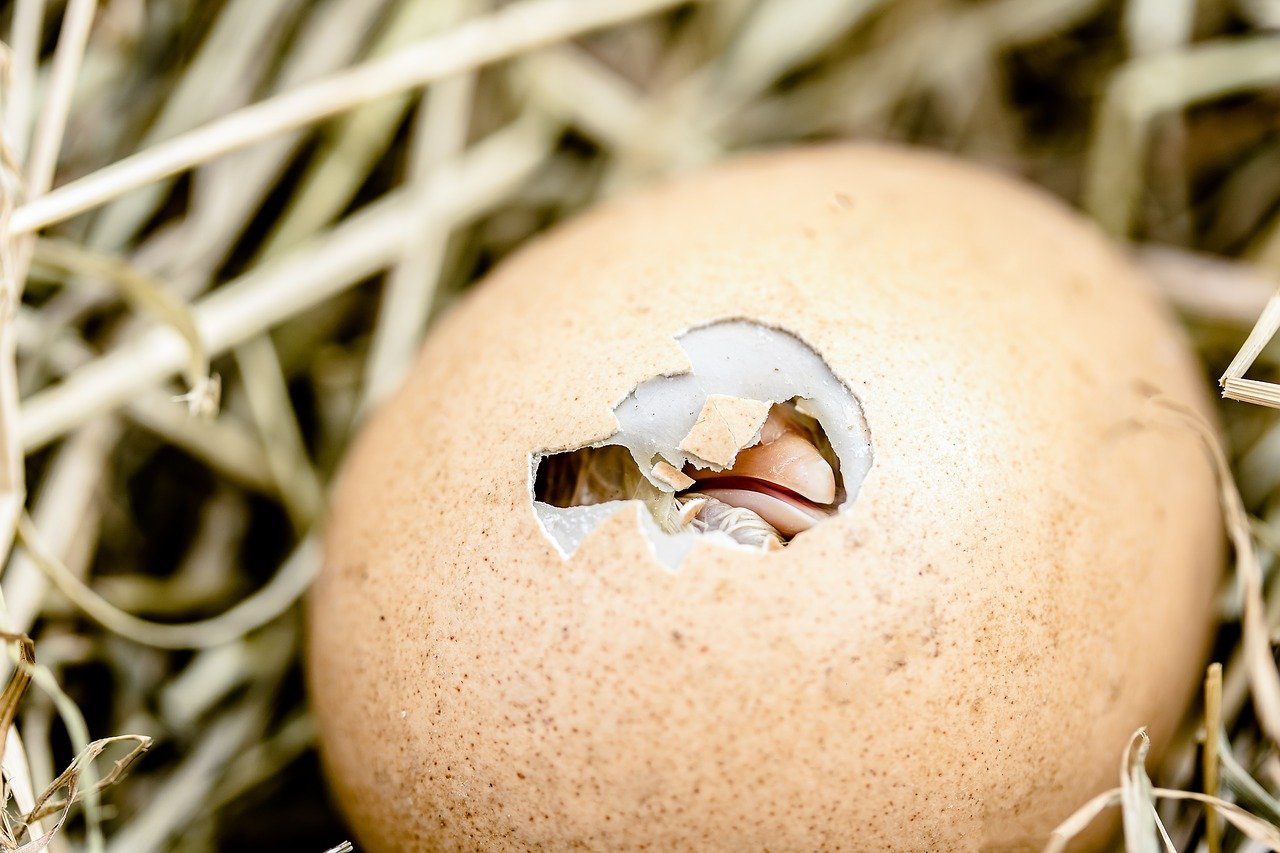
Hatching fish eggs requires careful attention to the unique needs of each species. Different fish exhibit diverse characteristics in their eggs, including shape, size, adhesive properties, and the required incubation environment. Understanding these variations is crucial for successful hatching rates.Species-specific considerations are paramount in achieving optimal egg development. This involves tailoring the incubation environment, water quality, and handling procedures to match the specific requirements of each fish species.
Ignoring these distinctions can lead to significant mortality and reduced hatching success.
Egg Characteristics and Adhesive Properties
Variations in egg characteristics influence the incubation approach. Some fish eggs are adhesive, needing a specific substrate for proper development. Others are buoyant, requiring a different water column setup. The size and shape of the eggs also dictate the spacing and density of the eggs during incubation.
- Adhesive eggs, like those of certain cichlids, need a firm surface to adhere to, preventing them from floating away or getting damaged. These eggs often require a smooth, clean substrate, such as aquarium gravel or a specialized egg raft.
- Buoyant eggs, found in some species of minnows or livebearers, require a controlled water column environment to prevent them from drifting or being displaced. The water depth and flow rate are crucial for proper oxygenation and preventing the eggs from sticking to the sides of the container.
- The size and shape of eggs affect the spacing required during incubation. Overcrowding can lead to stress and competition for resources. Proper spacing is vital to ensure each egg receives adequate oxygen and prevents the eggs from sticking together.
Incubation Environment Variations
The incubation environment plays a significant role in the successful hatching of fish eggs. Parameters like temperature, water flow, and aeration need to be carefully adjusted based on the specific species.
- Temperature: Different fish species have specific temperature ranges for optimal egg development. Some species thrive in warm water, while others require cooler temperatures. Maintaining the precise temperature is critical for successful hatching.
- Water flow: The flow rate and direction of water in the incubation container influence oxygenation and the dispersal of waste products. Some species require gentle water movement, while others prefer still water. Understanding the specific needs of each species is essential for successful hatching.
- Aeration: Proper aeration is essential for providing sufficient oxygen to developing embryos. The aeration level needs to be adjusted based on the species and the density of eggs in the container. Excessive aeration can cause stress or damage to delicate eggs.
Hatching Process Differences
The hatching process varies significantly among fish species. The duration and sequence of events, from egg formation to fry emergence, are influenced by species-specific biological factors.
- Duration: The time taken for eggs to hatch differs between species. Some species hatch within a few days, while others take several weeks. Knowing the expected hatching time for a particular species helps in managing the incubation process effectively.
- Sequence: The sequence of events during hatching varies among species. Some species show a clear progression of developmental stages, while others may have more subtle changes. Observing these developmental stages helps in identifying potential problems early on.
Species-Specific Example Table
The following table highlights some common fish species and their unique egg care requirements:
| Species | Egg Characteristics | Incubation Environment | Hatching Process |
|---|---|---|---|
| Guppies | Small, buoyant, translucent | Warm water, gentle aeration, moderate water flow | Rapid hatching (typically 24-48 hours) |
| Cichlids | Large, adhesive, pigmented | Warm water, still water or gentle flow, smooth substrate | Variable hatching time (typically 2-4 days) |
| Goldfish | Large, buoyant, pigmented | Moderate water temperature, gentle aeration, moderate water flow | Moderate hatching time (typically 3-7 days) |
Epilogue
In conclusion, successfully hatching fish eggs requires meticulous attention to detail, understanding the specific needs of each species, and maintaining a consistently optimal environment. This guide has provided a roadmap to navigate the intricacies of this process, from egg selection and incubation to fry care and handling. By following these steps and addressing any potential issues, you can significantly increase your chances of successfully nurturing the next generation of fish.