Maintaining optimal oxygen levels in your aquarium is crucial for the health and well-being of your aquatic pets. This comprehensive guide delves into the intricacies of aquarium water oxygenation, providing a detailed understanding of the process and its significance within the delicate ecosystem of your aquarium.
From understanding essential water parameters and various oxygenation methods to troubleshooting common issues, this guide equips you with the knowledge to ensure a thriving environment for your fish and other aquatic inhabitants. We’ll explore the importance of dissolved oxygen, factors affecting its levels, and the diverse techniques available to maintain a healthy oxygen balance.
Understanding Aquarium Water Parameters
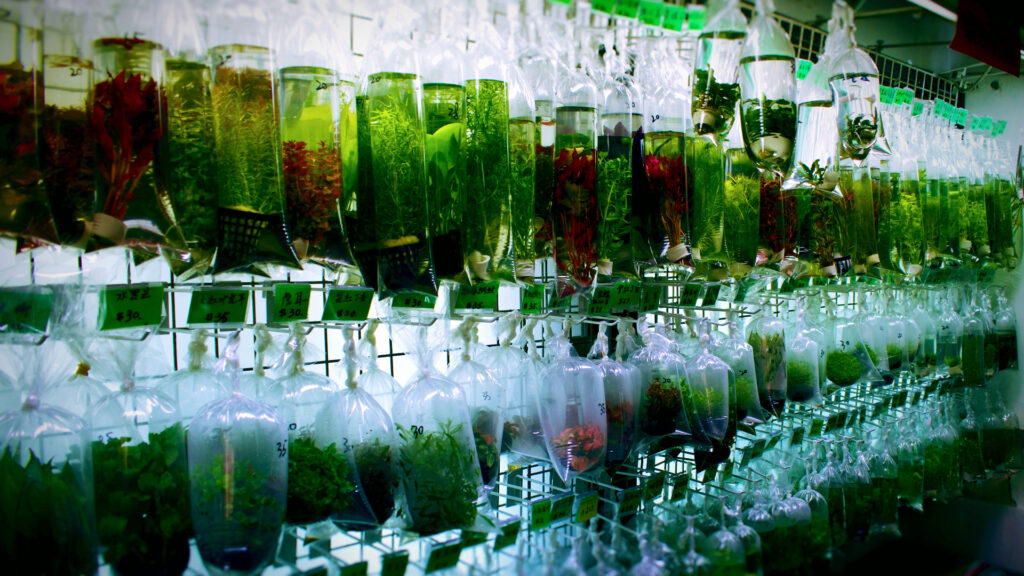
Maintaining a healthy aquarium environment hinges on understanding and managing various water parameters. A crucial parameter is dissolved oxygen (DO), vital for the survival and well-being of aquatic life. Precise monitoring and adjustments of DO, along with other parameters, are essential for a thriving ecosystem.Aquarium water quality is a delicate balance. Fluctuations in dissolved oxygen, temperature, and other factors can significantly impact the health and vitality of your fish and other inhabitants.
Accurately assessing these parameters is critical for proactive maintenance and preventing potential issues.
Dissolved Oxygen (DO) and its Importance
Dissolved oxygen is the amount of oxygen gas that is dissolved in the water. It’s a fundamental requirement for the respiration of fish and other aquatic organisms. Proper oxygenation is vital for their metabolic processes, supporting healthy growth, reproduction, and overall well-being. Low DO levels can lead to stress, disease, and even death. Maintaining sufficient DO is a key aspect of responsible aquarium husbandry.
Factors Affecting DO Levels
Several factors influence the DO level in an aquarium. Temperature is a significant one; warmer water holds less dissolved oxygen than cooler water. Increased water movement, such as from filters or air stones, facilitates oxygen exchange with the atmosphere, increasing DO. The number and size of fish in the tank also play a role; a higher fish population demands more oxygen for respiration, potentially lowering DO levels if not adequately managed.
Furthermore, decaying organic matter, such as uneaten food or fish waste, consumes oxygen during decomposition.
Measuring DO Levels
Accurate DO measurement is essential for maintaining a healthy aquarium environment. Several methods are available, each with its own advantages and disadvantages. A common method involves using test kits that contain chemicals which react with the water and produce a color change, which can be compared to a chart to determine the DO level. Another method involves using electronic probes that directly measure DO and display the reading on a digital display.
Comparison of DO Testing Methods
| Method | Pros | Cons |
|---|---|---|
| Test Kits | Relatively inexpensive, readily available, simple to use for beginners. | Results may not be as precise as probes, requires visual comparison, and may be affected by inaccurate color matching. |
| Electronic Probes | Highly accurate and provide continuous readings, easy to use and understand. | More expensive than test kits, may require calibration and maintenance. |
Impact of Ammonia, Nitrite, and Nitrate on Oxygen Levels
Ammonia, nitrite, and nitrate are byproducts of fish waste and uneaten food. High levels of these compounds can stress fish and indirectly affect oxygen levels. For instance, the decomposition of these waste products consumes oxygen, thus reducing the available DO. Maintaining a healthy nitrogen cycle in the aquarium, through appropriate filtration and regular water changes, is crucial for managing these compounds and preventing detrimental effects on oxygen levels.
Methods for Oxygenating Aquarium Water
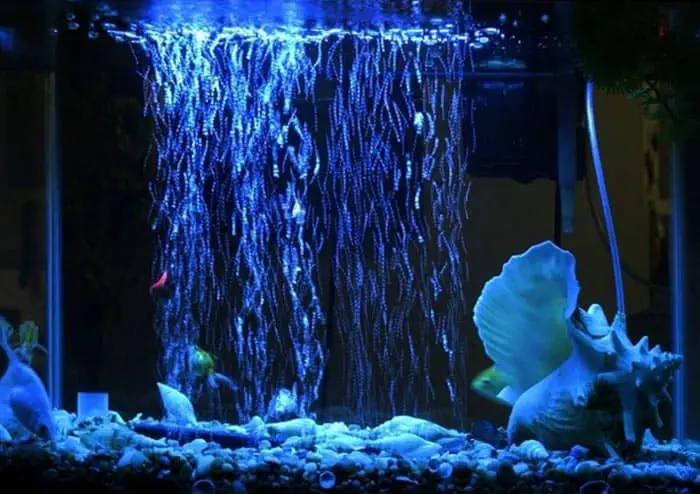
Maintaining adequate oxygen levels is crucial for the health and well-being of aquatic life in a home aquarium. Proper oxygenation prevents fish and invertebrates from experiencing stress, promoting their overall vitality and longevity. Sufficient oxygenation also contributes to a healthy biological balance within the aquarium ecosystem.A well-oxygenated aquarium supports healthy bacterial colonies, crucial for waste breakdown and preventing harmful ammonia and nitrite buildup.
This, in turn, improves water quality, directly benefiting the inhabitants. Therefore, understanding and implementing various oxygenation techniques is essential for successful aquarium maintenance.
Aeration Techniques
Effective oxygenation techniques are essential for maintaining a thriving aquarium environment. These techniques introduce oxygen into the water, ensuring the well-being of aquatic organisms. Various methods are available, each with its own advantages and limitations.
- Air Pumps and Air Stones: Air pumps are a popular and widely used method for oxygenation. They force air through tubing to an air stone, creating bubbles that release oxygen into the water. This method is relatively simple to implement and affordable, making it a common choice for many hobbyists. However, the effectiveness depends on the size and design of the pump and the placement of the air stone.
- Water Filters (Internal and External): Water filters, especially those with a powerful water current, play a significant role in oxygenation. The movement of water within the filter creates turbulence, enhancing oxygen exchange between the water and the atmosphere. Internal filters are convenient for smaller tanks, but external filters provide more substantial water movement, suitable for larger aquariums.
- Water Movement: Proper water movement is critical for oxygenation. A gentle current helps distribute oxygen throughout the aquarium, ensuring all inhabitants have access to sufficient oxygen. Water movement also aids in the removal of waste and creates a more natural environment for fish. Examples include using powerheads, filter output, or even strategically placed decorations to enhance water flow.
Setting Up an Air Pump System
A well-designed air pump system can significantly improve oxygenation in your aquarium. This step-by-step procedure guides you through the process.
- Select the Appropriate Air Pump: Choose an air pump with sufficient output for your aquarium size. Consider the tank’s volume and the number of inhabitants to ensure adequate oxygenation.
- Connect the Air Tubing: Carefully connect the air tubing to the air pump and the air stone. Ensure all connections are secure to prevent leaks.
- Position the Air Stone: Place the air stone within the aquarium, ensuring it’s not obstructed by decorations or positioned near the substrate. Strategic placement maximizes oxygen dispersion throughout the water column.
- Test the System: Turn on the air pump and observe the bubbles rising from the air stone. Adjust the position of the air stone if necessary to optimize oxygen distribution.
Canister Filter Oxygenation
Canister filters are often overlooked as an oxygenation tool, yet their powerful water movement significantly contributes to oxygenation.
Canister filters, especially those with a high-volume pump, generate a significant water current. This current increases the surface area exposed to oxygen, facilitating efficient oxygenation. The downside is that canister filters can be more complex to maintain than internal filters.
Comparing Aeration Techniques
The effectiveness of different aeration methods varies depending on the size and characteristics of the aquarium.
| Aeration Method | Effectiveness | Limitations |
|---|---|---|
| Air Pump and Air Stone | Good for smaller to medium-sized tanks. Relatively inexpensive. | Limited water movement, may not be sufficient for large tanks. |
| Internal Filter | Provides moderate oxygenation and water movement. Convenient for smaller tanks. | Limited water movement capacity compared to external filters. |
| External Filter | Excellent for large tanks due to powerful water movement. Superior water filtration. | More complex setup and higher initial investment. |
Maintaining Optimal Oxygen Levels
Maintaining optimal oxygen levels is crucial for the health and well-being of your aquarium’s inhabitants. A properly oxygenated environment supports healthy respiration, reduces stress, and fosters a thriving ecosystem. Ignoring oxygen levels can lead to various issues, including fish stress, disease, and even death. Understanding the necessary steps to maintain optimal oxygen levels is essential for responsible aquarium ownership.
Essential Steps for Maintaining Optimal Oxygen Levels
Maintaining optimal oxygen levels requires a multi-faceted approach. The following steps form a comprehensive strategy to ensure your aquarium’s aquatic life thrives.
- Regular Water Changes: Regular water changes are essential for maintaining water quality and oxygen levels. Removing used water and replacing it with fresh, oxygenated water replenishes dissolved oxygen and removes harmful waste products, ensuring the health of your aquatic ecosystem.
- Proper Water Temperature Maintenance: Water temperature significantly impacts the solubility of oxygen. Warmer water holds less dissolved oxygen than cooler water. Maintaining a suitable temperature range for your fish species is vital to ensure adequate oxygen levels. An ideal temperature range for most tropical fish is between 72°F and 82°F (22°C and 28°C).
- Effective Dechlorination: Tap water often contains chlorine and chloramine, which are harmful to fish. These chemicals need to be removed before adding water to the aquarium. Use a suitable dechlorinator to neutralize these substances. This ensures that the introduced water is safe for your fish and aids in maintaining optimal oxygen levels. Failure to dechlorinate can result in stress and potential death for your fish.
- Appropriate Aeration: Aeration methods, such as air pumps and air stones, introduce oxygen directly into the water column. This method is particularly useful for maintaining oxygen levels in heavily stocked tanks or tanks with high bioloads. Adequate aeration is vital to prevent oxygen depletion, especially in larger tanks or those with active fish populations.
Role of Proper Water Changes in Oxygenation
Water changes are not just about removing waste products. They actively contribute to oxygenation. Fresh water introduced into the aquarium carries a higher concentration of dissolved oxygen. This fresh water replenishes the oxygen that has been consumed by the fish and the biological filtration processes. Regular water changes also help to dilute accumulated toxins and waste products, which can hinder oxygen absorption.
This combined effect contributes to maintaining a healthier and more oxygen-rich environment for your aquarium inhabitants.
Frequency and Volume of Water Changes
The frequency and volume of water changes depend on the size of your aquarium and the number of fish.
| Aquarium Size | Fish Population | Water Change Frequency | Water Change Volume |
|---|---|---|---|
| Small (10-20 gallons) | Low | 10-20% weekly | 1-2 gallons |
| Medium (20-50 gallons) | Moderate | 15-25% bi-weekly | 3-5 gallons |
| Large (50+ gallons) | High | 20-30% monthly | 6-10 gallons or more |
Importance of Maintaining a Suitable Water Temperature
Maintaining the appropriate water temperature is vital for maintaining optimal oxygen levels. Warmer water holds less dissolved oxygen than cooler water. A fluctuation in temperature can significantly impact oxygen levels. Fish species have specific temperature requirements. Exceeding or falling short of the optimal temperature range can lead to decreased oxygen levels and stress for the fish.
Dechlorination of Water
Dechlorination is the process of removing chlorine and chloramine from tap water. These chemicals are harmful to fish and can lead to stress and illness. Using a dechlorinator neutralizes these harmful substances, ensuring the safety and health of your aquarium inhabitants.
Effect of Overcrowding on Oxygen Levels
Overcrowding in an aquarium significantly impacts oxygen levels. A higher fish population consumes more oxygen. If the oxygen supply cannot meet the demand, low oxygen levels can occur, leading to stress, disease, and even death. A larger tank volume, adequate filtration, and appropriate aeration are necessary to address the increased oxygen demand from a higher fish population.
Identifying Signs of Low Oxygen Levels
Recognizing the signs of low oxygen levels is crucial for timely intervention. These signs can include:
- Rapid, shallow breathing: Fish gasping at the surface of the water.
- Loss of appetite: Fish that exhibit a lack of interest in food.
- Unusual swimming patterns: Erratic or lethargic swimming, often near the surface.
- Unusual behavior: Excessive hiding or displaying aggression.
- Fish deaths: Sudden or gradual deaths of fish.
Addressing Low Oxygen and Insufficient Aeration
If you suspect low oxygen levels, address the underlying issue immediately. This may include:
- Increasing aeration: Adding more air pumps or air stones to enhance oxygenation.
- Reducing fish population: If overcrowding is the issue, consider removing some fish.
- Performing more frequent water changes: Removing used water and replenishing with fresh, oxygenated water.
- Checking for leaks or clogs in the filter system: Ensuring proper filtration function to maintain water quality.
Advanced Oxygenation Techniques
Optimizing oxygen levels in an aquarium goes beyond basic aeration. Advanced techniques, often employing specialized equipment, can significantly enhance water quality and overall health for aquatic inhabitants. These methods can address specific issues, such as ammonia or nitrite buildup, and promote a more stable and vibrant environment.Advanced oxygenation methods frequently complement, rather than replace, basic aeration techniques. Combining these approaches can provide a comprehensive strategy for maintaining optimal oxygen levels and promoting thriving aquatic life.
Protein Skimmers
Protein skimmers are crucial components for advanced aquarium maintenance. They effectively remove organic waste and debris from the water column, which, in turn, reduces the demand for dissolved oxygen. This reduction in organic load helps maintain stable oxygen levels and prevents the buildup of harmful substances. Skimmers operate by creating a turbulence zone that collects surface debris and separates it from the water.
The collected material is then discharged from the system.
- Improved Water Clarity: Skimmers reduce cloudiness, improving visibility and aesthetic appeal. This enhanced clarity also facilitates better observation of fish and aquatic plants.
- Reduced Bio-load: By removing organic matter, skimmers lessen the workload on the biological filtration system, reducing the amount of dissolved oxygen required for bacterial processes.
- Enhanced Oxygen Levels: By reducing organic waste, protein skimmers indirectly improve oxygen levels. Less organic matter means less consumption of dissolved oxygen by decomposing bacteria.
- Minimized Algae Growth: The reduced organic material in the water column leads to less nutrient availability for algae, consequently preventing or mitigating algae blooms.
UV Sterilizers
Ultraviolet (UV) sterilizers are another advanced tool for aquarium care. They use ultraviolet light to kill bacteria, algae, and parasites. While not directly increasing dissolved oxygen, UV sterilization indirectly enhances oxygen levels by reducing the microbial load in the water. This reduced load lessens the oxygen consumption of these microorganisms.
- Reduced Bacterial Load: UV sterilization eliminates a significant portion of harmful bacteria, preventing them from consuming dissolved oxygen.
- Reduced Algae Growth: By controlling algae populations, UV sterilizers indirectly improve oxygen levels by decreasing the need for oxygen to support algal growth and decomposition.
- Improved Water Clarity: Similar to protein skimmers, UV sterilization can lead to clearer water, reducing the demand for dissolved oxygen in bacterial processes.
- Disease Prevention: By eliminating pathogens, UV sterilizers contribute to a healthier environment, preventing disease outbreaks that can negatively affect oxygen levels.
Impact of Lighting Conditions
Proper lighting is essential for aquatic plants and their photosynthesis. Sufficient light encourages plant growth, which, in turn, produces oxygen. Excessive light, however, can lead to algal blooms and decreased oxygen levels as the algae decompose. Maintaining a balance is crucial for maintaining optimal oxygen levels.
Factors Influencing Aeration Techniques
The effectiveness of aeration techniques is significantly influenced by several factors. Water temperature, for instance, plays a crucial role. Warmer water holds less dissolved oxygen than cooler water. The size and type of the aquarium, along with the number and types of aquatic inhabitants, also affect oxygenation needs. A larger aquarium with more active fish will require more robust aeration systems.
Proper Filtration
Proper filtration is fundamental for maintaining good water quality and, consequently, optimal oxygen levels. Filtration removes solid waste and excess nutrients, preventing them from contributing to oxygen depletion. Efficient mechanical filtration is crucial to prevent the accumulation of debris, which can lead to the depletion of oxygen.
Troubleshooting Low Oxygen Levels
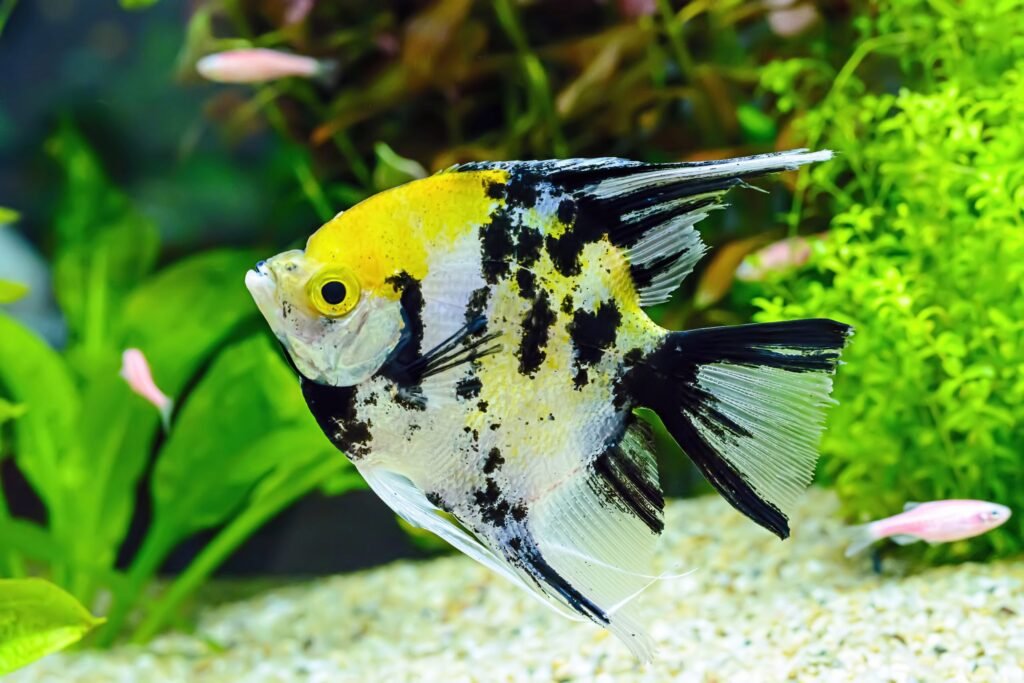
Maintaining optimal oxygen levels in your aquarium is crucial for the health and well-being of your aquatic inhabitants. Understanding the potential causes of low oxygen and how to address them proactively can prevent stress and illness. This section will detail common issues, diagnostic methods, and effective solutions to ensure a thriving aquatic environment.
Common Causes of Low Oxygen
A variety of factors can contribute to low dissolved oxygen in an aquarium. Understanding these factors is essential for identifying and rectifying the problem.
- Overstocking: Excessively high fish populations consume more oxygen than the aquarium can replenish, leading to oxygen depletion. For example, a small 10-gallon tank with five large fish may experience significant oxygen issues compared to a 55-gallon tank with one or two similar fish.
- Decaying Organic Matter: Uneaten food, dead plants, and uneaten fish food decompose, consuming oxygen during the process. This is especially prevalent in heavily planted tanks or those with a large bioload.
- High Water Temperature: Warm water holds less dissolved oxygen than cool water. Increased water temperature can lead to lower oxygen levels, particularly in overstocked or poorly maintained aquariums.
- Insufficient Filtration: A malfunctioning or undersized filter may not adequately process waste products, leading to increased organic matter and a reduction in dissolved oxygen.
- Poor Water Circulation: Slow or inadequate water movement limits oxygen exchange between the water surface and the air, reducing dissolved oxygen levels.
- High Nitrate Levels: Excessive nitrates can lead to algae blooms, which consume oxygen, and can create anaerobic conditions.
- Algae Blooms: Rapid algae growth consumes significant amounts of oxygen, especially at night when photosynthesis ceases. This is a common problem in tanks with excessive nutrients.
Diagnosing Low Oxygen Levels
Identifying the root cause of low oxygen is crucial for implementing the appropriate solution. Look for visual cues and assess water parameters to pinpoint the problem.
- Observe fish behavior: Fish exhibiting lethargy, gasping at the surface, or exhibiting erratic swimming patterns may indicate low oxygen levels. These behaviors are clear signs that your aquarium is struggling with sufficient oxygenation.
- Monitor water parameters: Test the water for dissolved oxygen levels using a reliable test kit. Low levels ( <2 ppm) are a significant concern. Also, assess ammonia, nitrite, and nitrate levels, as elevated levels often correlate with oxygen depletion.
- Inspect the aquarium for signs of excessive organic matter or algae: Observe the presence of uneaten food, decaying plant matter, or significant algae growth. These are direct indicators of potential oxygen depletion.
Effective Solutions
Implementing the correct solution is crucial for restoring healthy oxygen levels.
- Reduce the fish population: Overstocking is a common culprit. Assess your tank size and fish needs to determine an appropriate stocking level. Reduce the number of fish to match the aquarium’s capacity.
- Improve filtration: Ensure your filter is functioning correctly and has adequate capacity for your tank size and inhabitants. Regular maintenance and cleaning are vital for preventing blockages and maintaining efficiency.
- Increase water circulation: Use powerheads or other water movement devices to increase water turnover and facilitate oxygen exchange. This is a simple and effective solution.
- Reduce water temperature: If possible, lower the water temperature to increase oxygen solubility. This is important if the water temperature is a contributing factor.
- Address decaying organic matter: Remove any uneaten food, dead plants, or other organic waste promptly. Regular water changes can also help remove excess organic matter and promote better oxygen levels.
- Control algae growth: Address excessive algae by reducing nutrient levels (e.g., through water changes), removing algae manually, or using appropriate algaecides (following product instructions carefully).
- Use supplemental oxygenation methods: Consider adding an air pump and airstone to increase oxygenation in the water column.
Basic Aquarium Maintenance
Regular maintenance tasks are essential for preventing low oxygen levels and maintaining a healthy aquarium environment.
- Regular water changes: Regular partial water changes (20-30% weekly) remove accumulated waste and replenish depleted oxygen.
- Regular filter maintenance: Clean or replace filter media as needed to maintain efficient waste removal and avoid buildup of organic matter.
- Proper feeding practices: Feed fish only what they can consume in a few minutes. Overfeeding exacerbates the risk of low oxygen levels.
Troubleshooting Table
This table summarizes potential problems, their causes, and effective solutions for low oxygen levels.
| Potential Problem | Possible Causes | Solutions |
|---|---|---|
| Low dissolved oxygen | Overstocking, decaying organic matter, high water temperature, insufficient filtration, poor water circulation, high nitrate levels, algae blooms | Reduce fish population, improve filtration, increase water circulation, reduce water temperature, remove organic waste, control algae growth, use supplemental oxygenation |
Addressing Excessive Algae Growth
Algae blooms can significantly impact oxygen levels. This section details a step-by-step approach to addressing this problem.
- Identify the Cause: Assess nutrient levels (e.g., nitrates and phosphates) in the water. Analyze the tank environment for potential contributors to algae growth (e.g., excessive light, overfeeding).
- Reduce Nutrients: Perform regular water changes to lower nutrient levels. Consider using a commercial product to help absorb excess nutrients.
- Control Light Exposure: Adjust lighting to reduce the duration or intensity of light exposure, if necessary. Consider the type of plants in the tank, as some require more light than others.
- Manual Removal: Manually remove any visible algae growth from the tank and decorations.
- Monitor and Adjust: Regularly monitor water parameters and adjust your maintenance schedule as needed. Be observant and adapt to any changes in the tank environment.
Closure
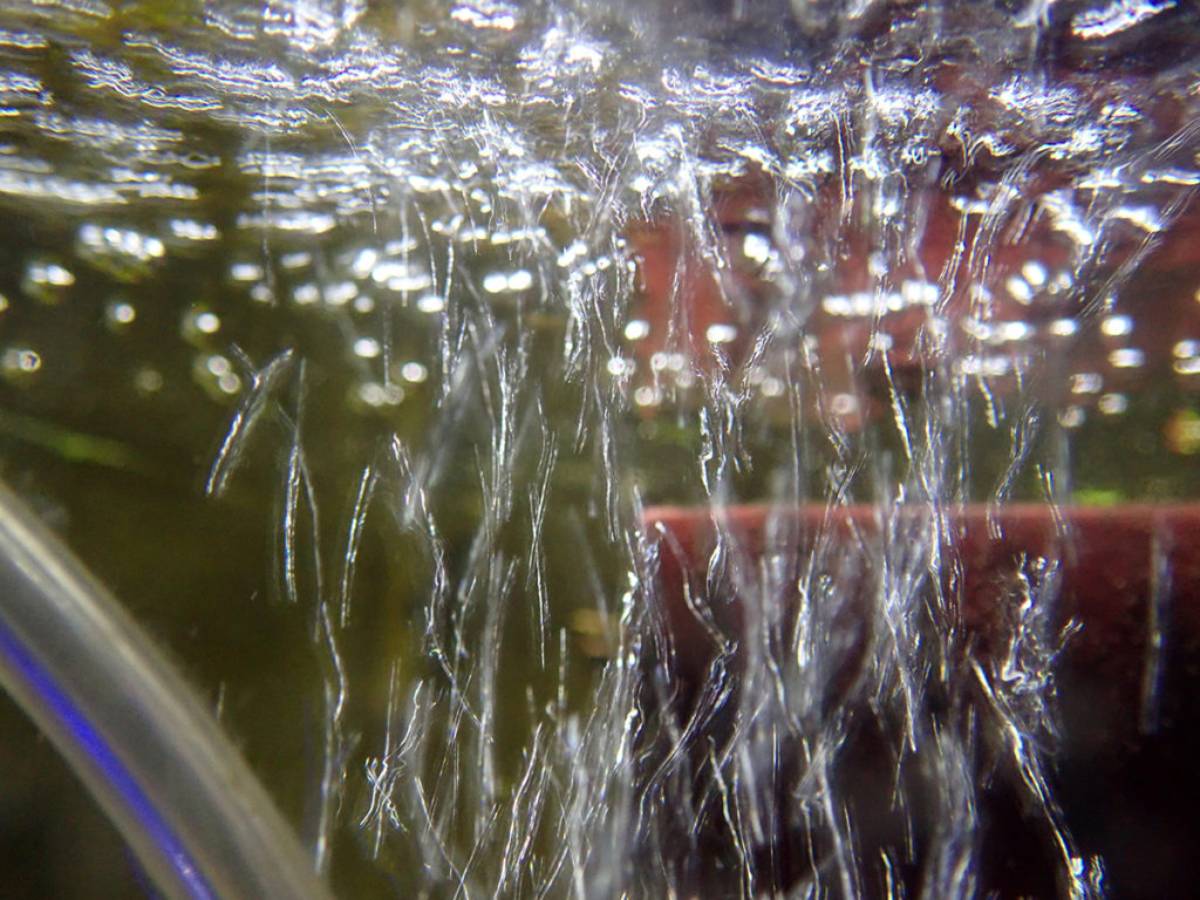
In conclusion, effectively oxygenating aquarium water is a multifaceted process that requires a nuanced understanding of various factors. By mastering the methods and techniques Artikeld in this guide, you can cultivate a thriving aquatic environment. Remember, regular monitoring, appropriate maintenance, and a proactive approach to potential issues are key to maintaining optimal oxygen levels and ensuring the health and happiness of your aquarium inhabitants.
Addressing potential problems promptly will contribute to a thriving and beautiful ecosystem.