Black beard algae, a tenacious and unsightly problem in aquariums and ponds, can quickly take over if left unchecked. This comprehensive guide delves into the intricacies of identifying, understanding, and effectively removing this persistent algae, offering a range of methods from mechanical solutions to biological and chemical approaches. Learning how to prevent future outbreaks is also key to maintaining a healthy aquatic environment.
This guide will detail the various factors contributing to black beard algae infestations, including nutrient imbalances, light levels, and water flow. We will also examine different methods for removing black beard algae, ranging from simple mechanical techniques to more involved biological and chemical treatments. Understanding these approaches is critical for effective control and long-term prevention.
Identifying Black Beard Algae
Black beard algae, scientifically known asBladderwrack*, presents a common challenge for aquarium and pond enthusiasts. Its distinctive appearance and persistent growth can quickly disrupt the aesthetic and ecological balance of the environment. Understanding its characteristics and growth patterns is crucial for effective removal and prevention.Black beard algae, unlike other algae, often displays a specific visual pattern that helps in its identification.
Knowing its potential causes and the environmental factors that support its proliferation allows for targeted and effective management strategies.
Appearance and Growth Patterns
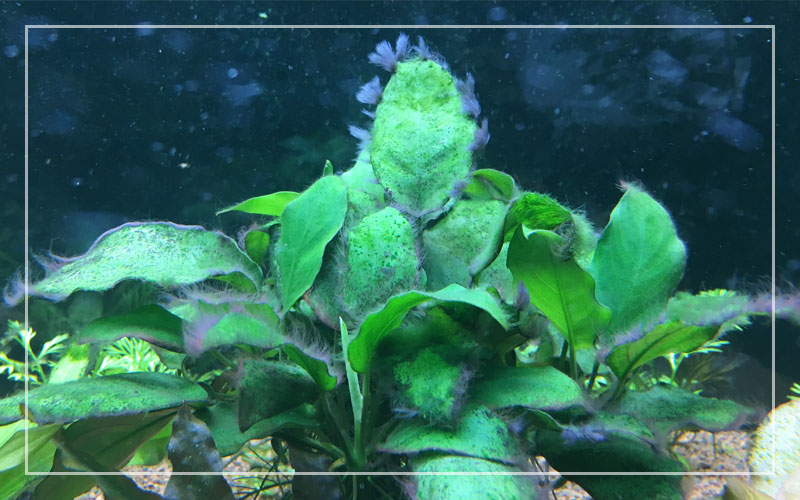
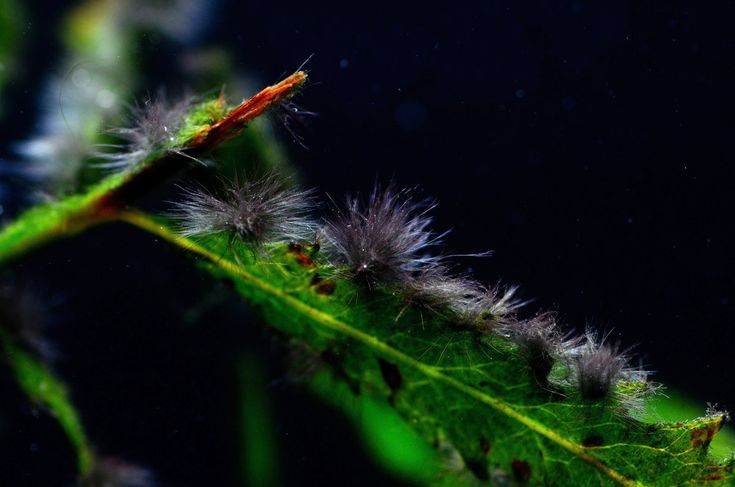
Black beard algae typically appears as long, thin, thread-like filaments, often forming dense mats. The color is usually a dark, brownish-black, but can vary slightly depending on light exposure and nutrient levels. These filaments can grow over surfaces, attaching themselves to rocks, plants, and even hardscape. The growth pattern can be localized, or it can rapidly spread across a large area.
Their tenacious nature makes them persistent and difficult to remove compared to other algae types.
Common Locations
Black beard algae can be found in various aquatic environments, including aquariums, ponds, and natural water bodies. It thrives in environments with suitable nutrient and light conditions. Its presence in aquariums often indicates an imbalance in the system, potentially due to overfeeding or insufficient water changes. In natural ponds, its presence may be a symptom of excess nutrients entering the water from runoff or other sources.
Key Distinguishing Characteristics
Black beard algae is readily identifiable by its thread-like filaments and dark color. Its growth habit, characterized by dense mats, contrasts with other algae types. Unlike some other algae that form a blanket or layer, black beard algae’s filaments are more structured and less uniform in their growth. This structured growth pattern is a key feature differentiating it from other algae.
Other types of algae might have a more diffuse or scattered appearance, lacking the dense, filamentous characteristics of black beard algae.
Potential Causes of Infestations
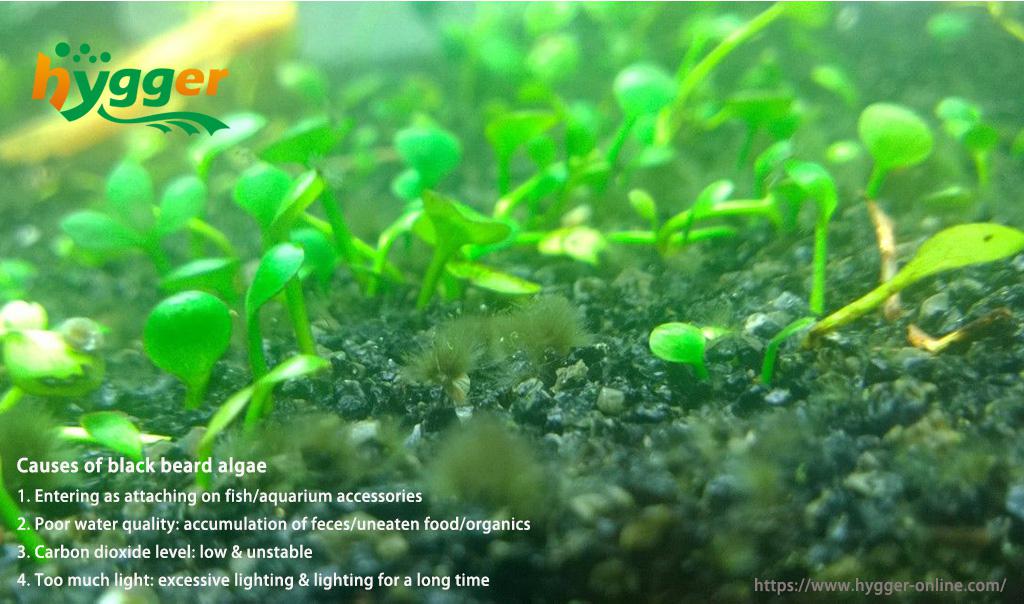
Black beard algae infestations are often linked to a combination of factors, including overfeeding of fish or aquatic plants, excessive light exposure, and imbalances in water parameters. Insufficient water changes can also contribute to nutrient buildup, providing ideal conditions for its growth. Additionally, a lack of appropriate biological filtration in aquariums can lead to a buildup of nutrients in the water column.
In natural ponds, agricultural runoff or other forms of pollution can introduce excess nutrients, fueling the growth of black beard algae.
Environmental Factors Promoting Growth
Several environmental factors contribute to the proliferation of black beard algae. Excessive light exposure, particularly in the blue-green spectrum, often stimulates its growth. High nutrient levels, especially nitrates and phosphates, provide the necessary fuel for algae reproduction. Furthermore, the specific water parameters, including pH, hardness, and temperature, can influence the growth rate and overall health of the algae.
An optimal balance is essential to avoid encouraging its growth.
Comparison with Other Algae Types
| Algae Type | Visual Differences | Growth Conditions ||—|—|—|| Black Beard Algae | Long, thin, dark filaments; dense mats | High light, excess nutrients, specific water parameters || Green Algae | Diffuse, sheet-like growth; various colors | High light, moderate nutrients || Diatoms | Microscopic, glass-like; often forms a slimy coating | Moderate light, low nutrients || Filamentous Algae | Long, thin filaments; can be various colors | High light, moderate nutrients |This table highlights the visual differences and typical growth conditions between black beard algae and other common types, aiding in accurate identification.
This comparative analysis underscores the importance of understanding the specific characteristics of black beard algae to effectively manage and eliminate infestations.
Understanding the Root Causes
Black beard algae infestations are rarely a simple matter of a single cause. Instead, a complex interplay of environmental factors often contributes to their proliferation. Understanding these contributing elements is crucial to developing effective and lasting solutions. Identifying the root causes allows for targeted interventions that address the specific needs of the affected aquarium or pond ecosystem.Nutrient imbalances, inappropriate light conditions, and insufficient water flow are often cited as primary factors.
Excess nutrients fuel the algae’s growth, while insufficient or excessive light and poor water circulation can also exacerbate the problem. By analyzing these variables, we can pinpoint the specific triggers and implement corrective measures for effective control.
Nutrient Imbalances and Algae Growth
Nutrient levels play a pivotal role in the growth and spread of black beard algae. Excess nitrogen, phosphorus, and potassium, commonly found in aquarium water, can provide a rich breeding ground for algae blooms. These elements act as fertilizers, stimulating rapid growth and reproduction. Elevated levels of these essential nutrients in the water column create an ideal environment for black beard algae to flourish.
- Nitrogen: High concentrations of nitrogen compounds, such as ammonia and nitrates, can promote excessive algae growth. This often stems from organic waste accumulation, uneaten food, and overfeeding. Monitoring and controlling these parameters is critical to maintaining a healthy aquatic environment.
- Phosphorus: Phosphorus is another essential nutrient for algae growth. High levels of phosphorus can lead to substantial algae proliferation. Sources include certain fish foods, fertilizers, and decaying organic matter. Effective filtration systems and regular water changes can help mitigate this issue.
- Potassium: While potassium is essential for plant growth, excessive levels can also stimulate algae development, particularly in cases of nutrient imbalance. Maintaining balanced nutrient levels is paramount to prevent excessive growth.
Light Intensity and Duration
Light is a fundamental requirement for photosynthesis, the process through which algae convert light energy into chemical energy. Black beard algae thrive in environments with sufficient light, which fuels their rapid growth. The intensity and duration of light exposure directly influence the rate of algae growth. Prolonged exposure to strong light can accelerate growth, while insufficient light can also create an imbalance that leads to a potential increase in algae.
Water Flow and Circulation
Adequate water flow and circulation are crucial for preventing the accumulation of nutrients and organic waste, which provide sustenance for black beard algae. Stagnant water promotes the buildup of these materials, creating a favorable environment for algae to flourish. Effective circulation prevents the formation of stagnant zones, reducing the risk of algae outbreaks. Proper filtration and aeration can effectively maintain optimal water movement.
| Factor | Influence on Algae Growth |
|---|---|
| Nutrient Imbalance (Excess Nitrogen, Phosphorus, Potassium) | Provides essential nutrients for rapid algae growth |
| High Light Intensity and Duration | Accelerates photosynthesis, promoting rapid growth |
| Poor Water Flow and Circulation | Promotes nutrient buildup and stagnation, leading to algae outbreaks |
Mechanical Removal Methods
Mechanical removal methods are crucial for tackling black beard algae, providing a direct and often effective approach to control its spread. These methods are frequently used in conjunction with other strategies, such as adjusting water parameters and addressing underlying causes, to achieve lasting results. This section details various techniques, highlighting the importance of safety and proper technique for successful removal.
Scraping Techniques
Scraping is a fundamental method for removing black beard algae, particularly from hard surfaces like glass and rocks. The efficacy of scraping depends on the consistency and adherence of the algae. Using the appropriate tools and techniques ensures minimal damage to the aquarium environment.
- Selecting the Right Tool: A razor blade, specifically a hobbyist razor, or a scraper with a smooth, firm edge is ideal for glass and smooth surfaces. Avoid using tools with rough edges, which can scratch the substrate or cause damage to the aquarium environment.
- Proper Application: Apply firm, even pressure with the scraper, following the growth pattern of the algae. Avoid applying excessive pressure, which can damage the surface being scraped. Work in sections, rather than attempting to remove large patches at once.
- Safety Precautions: Use a soft cloth or sponge to protect your hands from cuts and abrasions when using sharp tools. Ensure that the scraper is clean and free of debris, preventing cross-contamination.
Trimming Methods
Trimming black beard algae involves carefully removing the visible growth, often with sharp, specialized tools. This approach is especially useful for removing algae from plants or delicate surfaces.
- Tool Selection: Use sharp, clean pruning shears or specialized aquarium trimming tools for plants and delicate surfaces. Ensure the tools are disinfected to avoid spreading infections.
- Precision Trimming: Carefully trim the algae growth along the edges of the plants or surfaces, following the natural contours. Avoid damaging the healthy plant tissue during the process.
- Post-Trimming Care: Rinse the trimmed areas with clean water to remove any remaining algae or debris. Dispose of the removed algae properly.
Specialized Tools and Equipment
Specialized tools can enhance the effectiveness and safety of mechanical removal. Careful selection and proper use are paramount for optimal results.
- Algae Scrapers: Specialized algae scrapers are designed with a variety of shapes and sizes for optimal scraping. These often feature a curved blade for targeted removal.
- Algae Wands: These tools provide targeted removal of algae from hard-to-reach areas, like behind rocks or along the back of the tank.
- Water Jet Washers: High-pressure water jets can be employed for removing loose algae. However, use with caution, as excessive force can damage delicate surfaces.
Step-by-Step Guide for Different Surfaces
This guide Artikels the steps for removing black beard algae from different surfaces, emphasizing safety and proper technique.
- Glass: Clean the glass thoroughly with a soft cloth and mild soap before scraping. Apply firm, even pressure with a scraper, following the growth pattern. Rinse the glass with clean water.
- Rocks: Use a scraper or specialized tool to remove the algae from the rocks. Focus on removing any loose debris and then carefully scrub the algae from the rock’s surface. Rinse thoroughly.
- Plants: Carefully trim the algae using sharp, clean pruning shears or specialized aquarium tools. Focus on the affected areas without damaging the healthy plant tissue. Rinse the trimmed areas to remove any remaining debris.
Tool Comparison
| Tool | Advantages | Disadvantages |
|---|---|---|
| Razor Blade/Hobbyist Razor | Highly effective for scraping, precise cuts | Potential for cuts if not handled carefully, can scratch surfaces if not used properly |
| Algae Scraper | Good for various surfaces, often curved for better grip | May not be as precise as a razor blade |
| Algae Wand | Reach hard-to-reach areas, minimal risk of scratching | Less effective on large patches of algae |
| Water Jet Washer | Effective for removing loose algae | Can damage delicate surfaces if not used with care |
Equipment Handling Safety
Proper handling of equipment is essential to avoid injury and damage to the aquarium.
- Disinfection: Disinfect tools after use to prevent the spread of disease or algae to other parts of the aquarium.
- Proper Storage: Store tools in a clean, dry location to prevent damage and ensure they remain functional.
- Avoid Sharp Tools in Hands: Use soft cloths or sponges to protect hands from sharp tools and minimize the risk of cuts or injuries.
Biological Control Methods
Biological control methods offer a sustainable and environmentally friendly approach to managing black beard algae. These methods leverage the natural interactions within aquatic ecosystems to control the algae’s growth, often without the need for harsh chemicals. This approach focuses on introducing beneficial organisms that either consume the algae directly or create an environment less conducive to its proliferation.
Beneficial Bacteria
Beneficial bacteria play a crucial role in maintaining a healthy aquatic environment by participating in the natural decomposition process. Certain species of bacteria can consume organic matter, reducing nutrients available for algae growth. These beneficial bacteria can also produce compounds that inhibit the growth of black beard algae. This indirect method of control can be a valuable addition to an overall management strategy.
Specific Beneficial Organisms
Several specific organisms demonstrate effectiveness against black beard algae. Certain species of bacteria, such as
- Bacillus subtilis* and
- Pseudomonas fluorescens*, have shown promise in controlling algal growth in laboratory settings and limited field trials. Similarly, some fungi and protozoa species can directly consume black beard algae, although their efficacy in large-scale applications remains under investigation. The success of any biological control method depends on the specific conditions of the aquatic environment.
Effectiveness and Limitations
Biological control methods can be highly effective in certain situations, particularly when combined with other management techniques. However, the effectiveness of these methods is often dependent on factors like the specific species of black beard algae, water parameters, and the presence of other competing organisms. A thorough understanding of the local aquatic environment is critical for successful application.
For example, a high nutrient load may negate the effects of beneficial bacteria, emphasizing the importance of addressing root causes alongside biological control.
Role in Maintaining a Healthy Aquatic Environment
Beneficial bacteria contribute to a healthier overall aquatic environment. They are vital components of the natural nutrient cycling process, helping to break down organic matter and prevent excessive nutrient buildup that fuels algae blooms. By introducing beneficial bacteria, we can promote a more balanced and sustainable ecosystem. This approach is particularly valuable in aquariums and ponds where maintaining a healthy biological filter is essential.
Comparison of Biological Control Methods
| Method | Effectiveness | Cost | Environmental Impact |
|---|---|---|---|
Beneficial Bacteria (e.g.,
|
Moderate to High, dependent on specific conditions. | Generally Low | Low; promotes a healthier ecosystem. |
| Fungi | Moderate to High, depending on species. | Generally Low | Low; promotes a healthier ecosystem. |
| Protozoa | Moderate to High, depending on species. | Generally Low | Low; promotes a healthier ecosystem. |
Note: Effectiveness, cost, and environmental impact are relative and can vary depending on the specific application and environmental conditions.
Chemical Control Methods

Chemical control methods, while offering a potentially rapid solution for black beard algae, require careful consideration due to their potential environmental and health impacts. Proper application and understanding of the specific algaecide used are crucial for effective and safe treatment. These methods should be implemented as a last resort, after exhausting other, less impactful approaches.
Effectiveness of Algaecides
Algaecides, chemical compounds designed to kill or inhibit the growth of algae, can be effective in controlling black beard algae. Their effectiveness varies depending on the specific algaecide, the concentration used, and the environmental conditions. Factors such as water temperature, pH, and light exposure can influence the effectiveness of the treatment. Some algaecides may only suppress the growth, requiring repeated applications for sustained control.
Furthermore, certain algaecides might be more effective against specific types of algae, highlighting the importance of accurate identification of the algae species.
Comparison of Chemical Treatments
Various chemical treatments are available for black beard algae, each with unique characteristics. A key comparison lies in their active ingredients, application methods, and target algae. Some treatments may be more suitable for specific water types or environments. For example, copper-based algaecides might be effective in ponds, but their use in aquariums should be approached with caution due to potential toxicity to fish and other aquatic life.
The long-term effects of certain algaecides on the overall ecosystem should be considered carefully.
Environmental and Health Impacts
The use of algaecides can have significant environmental and health impacts. These impacts can include the disruption of aquatic ecosystems, potentially harming beneficial microorganisms and invertebrates. Accumulation of chemical residues in the water column can pose risks to aquatic life, affecting their health and potentially entering the food chain. Furthermore, improper handling and disposal of algaecides can contaminate water sources and pose health risks to humans.
The long-term effects of algaecide use on the environment and human health are not always fully understood.
Safety Precautions for Chemical Treatments
Adhering to safety precautions is paramount when using chemical treatments for black beard algae. Always follow the manufacturer’s instructions meticulously, paying close attention to recommended concentrations, application methods, and protective gear. Appropriate personal protective equipment (PPE), such as gloves, eye protection, and respirators, is essential to minimize exposure to harmful chemicals. Thorough rinsing and cleaning of equipment and surfaces after application are also critical.
Disposal of excess chemicals and contaminated materials should comply with local regulations.
Table of Algaecides
| Algaecide | Active Ingredient | Application Method |
|---|---|---|
| Copper Sulfate | Copper sulfate | Application to affected areas, often in low concentrations. |
| Potassium Permanganate | Potassium permanganate | Diluted solutions applied directly to the algae. |
| Iron-based compounds | Various iron salts | Generally applied as a foliar spray, often in low concentrations. |
| Chlorine-based compounds | Sodium hypochlorite | Diluted solutions, carefully applied, and used sparingly. |
Prevention Strategies
Preventing black beard algae outbreaks hinges on maintaining a stable and healthy aquarium environment. Proactive measures are far more effective than reactive treatments, and by understanding the conditions that promote its growth, you can significantly reduce the risk of infestation. This involves careful attention to water parameters, regular maintenance, and proper lighting.Maintaining a healthy aquarium environment involves a multi-faceted approach, where each component plays a crucial role in preventing the unwanted growth of black beard algae.
By focusing on preventative measures, you can maintain a vibrant and thriving aquarium ecosystem, free from the challenges of this persistent algae.
Optimal Water Parameters
Maintaining optimal water parameters is paramount in preventing black beard algae. Fluctuations in pH, temperature, and hardness can create stress in the aquarium environment, making it more susceptible to algae outbreaks. Consistent water quality provides a stable base for the health of the inhabitants.
- pH: Maintaining a stable pH level is critical. A fluctuating pH can stress aquatic life and disrupt the balance of the ecosystem, increasing the likelihood of algae growth. The ideal pH range for most tropical fish and invertebrates is typically between 6.5 and 7.5. Monitoring and adjusting pH as needed is crucial.
- Temperature: Consistent water temperature is equally important. Sudden temperature changes can induce stress in the aquatic community, increasing their vulnerability to algae growth. Keeping the temperature stable within the specific parameters of your fish and invertebrates is essential.
- Hardness: Water hardness, typically measured in degrees of general hardness (GH), plays a role in maintaining a healthy environment. Maintaining the appropriate hardness for your specific fish and invertebrates is essential.
Regular Water Changes and Maintenance
Regular water changes are essential for maintaining water quality and preventing algae build-up. Accumulation of waste products, such as ammonia and nitrite, can create an environment conducive to algae growth. Regular water changes help remove these pollutants and maintain a clean, healthy aquarium environment.
- Frequency: The frequency of water changes depends on factors like stocking density, filtration efficiency, and the specific needs of the inhabitants. A general guideline is to perform partial water changes (typically 25-50%) weekly to bi-weekly. These changes remove accumulated waste and replenish essential minerals and trace elements.
- Filtration: A robust filtration system is critical for removing impurities and maintaining water quality. A combination of mechanical, chemical, and biological filtration effectively manages waste products and prevents the buildup of nutrients that promote algae growth.
Proper Lighting
Proper lighting is a significant factor in preventing black beard algae. Excessive or inappropriate lighting can provide the nutrients algae require for growth. Controlling the intensity and duration of lighting is essential for maintaining a healthy balance in the aquarium environment.
- Light Intensity: Overly intense lighting can contribute to excessive algae growth. Adjusting the intensity of the light to match the needs of the inhabitants is essential. This could involve using different wattage bulbs or varying the light schedule.
- Light Duration: Light duration should be regulated to prevent prolonged periods of intense light. Adjusting the light schedule to match the natural cycles in the environment can help prevent excessive algae growth.
Preventative Measures Summary
| Preventative Measure | Effectiveness | Impact on Environment ||—|—|—|| Maintaining optimal water parameters (pH, temperature, hardness) | High | Promotes a stable environment, reduces stress on inhabitants, decreases the risk of algae blooms. || Regular water changes and maintenance | High | Removes accumulated waste products, maintains water quality, minimizes nutrient levels, preventing excessive algae growth. || Proper lighting (intensity and duration) | Moderate to High | Prevents excessive nutrient provision to algae, promoting a balanced environment.
Improper lighting can encourage growth.|
Troubleshooting Common Issues
Addressing potential setbacks during black beard algae removal is crucial for achieving successful eradication. Understanding the reasons behind treatment failures and adapting strategies accordingly is key to long-term control. This section details common problems, their identification, and tailored solutions.
Identifying Treatment Resistance
Black beard algae can exhibit resistance to various removal methods. This resistance often stems from factors like inadequate substrate cleaning, improper application of chemicals, or inadequate environmental control. Identifying this resistance is crucial for implementing more effective solutions. For example, if mechanical removal alone proves insufficient, integrating biological or chemical methods may be necessary.
Dealing with Recurrence
The recurrence of black beard algae is a common issue, often indicating that the root cause of the problem has not been fully addressed. This might involve overlooked environmental factors like nutrient imbalances or inadequate water parameters. Thorough evaluation of these factors is essential to preventing repeated outbreaks. For instance, if the water parameters remain consistently unfavorable despite removal efforts, the water chemistry needs further adjustments.
Ineffective Chemical Application
Chemical treatments, while often effective, can be rendered ineffective if not applied correctly. This may include improper dosage, inappropriate timing, or insufficient contact time with the algae. Precise adherence to product instructions is essential for optimal results. A scenario might involve using an incorrect chemical concentration or not allowing the chemical to sit on the affected area long enough for effective action.
Unforeseen Biological Interactions
Biological control methods, while natural, can sometimes encounter unforeseen interactions with the aquarium ecosystem. These might include unexpected impacts on beneficial bacteria, competition for resources, or a lack of sufficient population growth of the introduced organisms. Close monitoring of the aquarium environment is necessary to adjust the biological controls or combine them with other methods. For example, introducing a specific biological control without proper habitat preparation might result in their inability to thrive or even harm other beneficial organisms.
Table of Potential Problems and Solutions
| Potential Problem | Possible Causes | Solutions |
|---|---|---|
| Treatment Resistance | Inadequate substrate cleaning, incorrect chemical application, insufficient environmental control | Thorough substrate cleaning, precise chemical application, optimizing water parameters |
| Recurrence | Unidentified root causes, nutrient imbalances, inadequate water parameters | Comprehensive analysis of water parameters, address nutrient sources, optimize water chemistry |
| Ineffective Chemical Application | Improper dosage, inappropriate timing, insufficient contact time | Strict adherence to product instructions, adjusting application methods, increasing contact time |
| Unforeseen Biological Interactions | Negative impact on beneficial bacteria, insufficient population growth, competition for resources | Monitoring aquarium environment, adjusting biological controls, combining with other methods |
Closure
In conclusion, effectively tackling black beard algae requires a multifaceted approach, encompassing identification, understanding root causes, and employing appropriate removal strategies. This guide has provided a comprehensive overview of the various methods, from mechanical scraping to biological control and chemical treatments. By understanding the interplay of environmental factors and employing the right techniques, you can successfully combat this persistent algae and maintain a healthy and vibrant aquatic ecosystem.
Prevention is key, and the provided strategies will help you achieve that.