Aquarium algae, a common nuisance for hobbyists, can quickly transform a vibrant aquatic environment into a murky spectacle. This comprehensive guide provides a detailed exploration of various methods for effectively removing algae, from identifying the specific types to employing biological, chemical, and mechanical solutions. We’ll also delve into preventative measures and advanced techniques for maintaining a healthy and algae-free aquarium.
Understanding the causes of algae growth is crucial for effective removal. Factors like water parameters, lighting, and nutrient levels all play a role. This guide will explain how to analyze these factors and tailor your approach to address the specific needs of your aquarium.
Identifying Algae Types
Knowing the specific type of algae plaguing your aquarium is crucial for effective treatment. Different algae species have varying requirements and tolerances to aquarium parameters. Proper identification allows for targeted removal strategies and prevents the recurrence of the problem. Understanding the visual characteristics, growth patterns, and environmental conditions that favor each type will help you address the root cause of the algae bloom.
Common Aquarium Algae Types
This section details common aquarium algae types, providing visual descriptions and insights into their growth habits and preferred environmental conditions. Knowing these details is vital for successful algae removal.
| Name | Appearance (Color, Texture, Growth Pattern) | Typical Aquarium Conditions Favoring Growth | Growth Habits |
|---|---|---|---|
| Green Hair Algae | Long, thin, thread-like filaments, usually green but can vary. Often forms dense mats, particularly on hard surfaces like driftwood and glass. | Nutrient-rich water, especially high levels of nitrates and phosphates. Overfeeding, infrequent water changes, and insufficient filtration are common contributors. | Spreads rapidly along surfaces, often obscuring plants or other aesthetically pleasing elements. The filaments can easily detach and spread to other areas. |
| Diatoms | Finely textured, often brownish-green, sometimes appearing as a dusty film or coating on surfaces. Can form a slimy layer on substrates, or a cloudy layer in the water column. | Fluctuations in water parameters, particularly low levels of nutrients, but also an increase in dissolved organic matter. Often associated with new aquariums or insufficient water changes. | Tend to appear as a thin film on glass, substrate, or plants. Can multiply quickly, especially in new tanks. Diatoms are often an early sign of an imbalanced aquarium. |
| Black Beard Algae | Thick, dark-colored filaments that resemble black or dark brown hair. Usually attaches to hard surfaces like rocks, driftwood, and plants. Often grows in dense clumps. | High levels of dissolved organic matter (from decaying plant material, fish waste, etc.), and moderate to high light intensity. Low CO2 levels and nutrient imbalances can also contribute. | Grows in clumps or patches, creating a dense mat-like structure. It is often stubborn and difficult to remove compared to other algae types. The filaments can spread quickly, especially if the underlying conditions are not addressed. |
Growth Habits and Environmental Impacts
Understanding how algae spreads and affects the aquarium is essential for effective management. These factors can influence the overall health and aesthetic appeal of the aquarium.
- Spread: Algae can spread through various mechanisms, including fragmentation (pieces detaching and growing elsewhere), spore dispersal, or through the water column. For instance, a small piece of green hair algae breaking off and attaching to a new surface will quickly start growing there.
- Environmental Impacts: Excessive algae growth can negatively impact the aquarium environment. It can smother plants, reducing their ability to photosynthesize. It can also deplete oxygen levels, potentially harming fish and other aquatic life. Additionally, the aesthetic value of the tank can be greatly diminished.
Understanding Algae Growth Causes
Algae blooms in aquariums are often a result of an imbalance in the system. Various factors, including water parameters, light exposure, and nutrient levels, contribute to the proliferation of algae. Understanding these contributing factors is crucial for developing effective strategies to manage and prevent algae growth.
Factors Contributing to Algae Overgrowth
Several interconnected factors can trigger excessive algae growth in an aquarium environment. These factors often interact synergistically, leading to rapid algae blooms. Poor water quality, insufficient filtration, and inadequate maintenance practices are common culprits.
Relationship Between Water Parameters and Algae Blooms
Water parameters significantly influence algae growth. Variations in temperature, pH, and nutrient levels can either encourage or inhibit algae development. For instance, elevated ammonia and nitrite levels can stimulate algae growth as these are indicators of poor water quality.
- Temperature: Optimal water temperature for most aquarium species is crucial. Variations from this range can influence algae growth. Warmer temperatures generally increase metabolic rates, potentially accelerating algae growth. Lower temperatures may have the opposite effect, but not always.
- pH: The pH level of aquarium water significantly affects the growth and metabolic processes of various organisms, including algae. Variations from the optimal range can affect the availability of nutrients and create conditions conducive to algae blooms. A pH that is too acidic or alkaline can affect the organisms in the ecosystem.
- Ammonia, Nitrite, and Nitrate Levels: Elevated levels of ammonia and nitrite, often resulting from insufficient or faulty filtration, are toxic to fish and can promote algae growth. Nitrate levels, though less toxic, can still stimulate algae growth if they accumulate excessively. High nitrate levels indicate insufficient filtration and an accumulation of organic matter in the water.
Role of Light Exposure in Algae Proliferation
Sufficient light is necessary for algae photosynthesis, but excessive light can also contribute to algae overgrowth. The duration and intensity of light exposure significantly influence the growth rate of algae. Too much light can overwhelm the aquarium’s ecosystem, leading to a proliferation of algae. The specific light spectrum can also play a role in algae preference.
- Light Duration and Intensity: The duration and intensity of light exposure directly impact algae growth. Extended periods of strong light can provide excessive energy for algae, leading to rapid proliferation. The intensity of the light is equally important; a higher intensity of light can encourage rapid growth, while lower intensity can result in slower growth. A balanced approach is key.
Role of Nutrient Levels in Algae Proliferation
Nutrient levels, particularly nitrates and phosphates, are essential for algae growth. Excessive nutrients, either from overfeeding or poor water changes, can create an environment favorable to algae blooms. Maintaining proper nutrient levels is crucial for preventing algae issues.
- Nutrient Levels: Excess nutrients like nitrates and phosphates, stemming from fish waste, uneaten food, and decaying organic matter, provide the necessary sustenance for algae growth. Proper water changes and regular maintenance help control these nutrient levels. The concentration of these nutrients is directly related to algae growth; higher concentrations mean faster growth.
Methods to Identify and Measure Aquarium Parameters
Various methods are available to measure and monitor aquarium water parameters. These methods can range from simple tests to advanced laboratory analyses. Accurate monitoring is essential for identifying and addressing potential issues.
- Testing Kits: Aquarium testing kits are readily available and provide a convenient way to measure ammonia, nitrite, nitrate, and pH levels. These kits offer accurate and cost-effective ways to track parameter levels. These kits use chemical reactions to determine the levels of different substances.
- Digital Testers: Digital testers offer more precise measurements and can be particularly useful for monitoring fluctuations in parameters. These instruments offer real-time readings and provide detailed data for analysis.
- Laboratory Analysis: For more in-depth analysis or when dealing with complex issues, laboratory analysis may be necessary. These analyses can offer more comprehensive data and identify subtle variations that may not be apparent with home testing kits.
Mechanical Removal Methods
Mechanical removal methods are a crucial initial step in tackling algae infestations. These methods, often used in conjunction with other treatments, target visible algae growth, providing a significant reduction in the algae population. Effective mechanical removal is critical for preventing further algae growth and maintaining a healthy aquarium environment.
Various Mechanical Removal Methods
Mechanical methods offer a range of tools for targeted algae removal. These tools allow for precise removal of algae without disturbing the overall aquarium environment, promoting a sustainable approach to algae control. Careful selection and application of these methods are essential to avoid harming fish and aquarium inhabitants.
- Algae Scrapers: These tools, typically made of rubber or plastic, are designed to scrape algae off surfaces. Their flexible nature allows for easy access to various aquarium components, like glass and decorations. Different scraping techniques can enhance effectiveness and minimize damage to decorations. Scrapers with varying blade shapes and sizes are available to cater to specific algae types and aquarium setup characteristics.
- Algae Magnets: These specialized magnets attach to a metal frame and are designed to pull algae off glass surfaces. Their magnetic force enables removal of algae without physical contact, minimizing disturbance. The magnetic force and the design of the magnet vary across different products, impacting their effectiveness and suitability for various aquarium setups.
- Tweezers: Fine-tipped tweezers are ideal for removing algae from hard-to-reach areas or delicate decorations. Their precision enables selective algae removal without causing damage. Different sizes and shapes of tweezers are available to target various algae types and aquarium features.
Step-by-Step Procedure for Using Tools
A structured approach to using mechanical tools is crucial for effective algae removal. Proper technique minimizes damage to the aquarium environment and enhances the efficacy of algae removal.
- Preparation: Turn off the aquarium’s filter and heater to minimize water disturbance. Ensure the aquarium is well-lit to allow for easy visualization of algae.
- Scraper Use: For scraping, apply firm but gentle pressure to the algae-affected surface. Use a back-and-forth motion to remove algae effectively. Avoid applying excessive pressure to prevent damage to the aquarium glass or decorations. For stubborn algae, consider using a scraper with a slightly abrasive surface.
- Magnet Use: Position the magnet on the aquarium glass, ensuring proper adhesion. Slowly and carefully drag the magnet across the glass surface, collecting algae on the magnet’s surface. Carefully remove the algae collected on the magnet.
- Tweezers Use: Carefully use tweezers to remove algae from delicate decorations, plants, or areas inaccessible to scrapers or magnets. Avoid applying excessive pressure to prevent damage to the decorations.
- Post-Removal: Replace the aquarium filter and heater. Observe the aquarium regularly for any signs of regrowth.
Effectiveness and Suitability Comparison
The effectiveness and suitability of each tool depend on the specific algae type and aquarium setup.
| Tool | Effectiveness (Algae Type) | Suitability (Aquarium Setup) |
|---|---|---|
| Algae Scrapers | Effective for most types of algae on smooth surfaces. | Suitable for most aquariums, particularly those with smooth surfaces and moderate algae growth. |
| Algae Magnets | Highly effective for removing algae from glass surfaces. | Ideal for aquariums with minimal decorations or those prioritizing glass surface algae removal. |
| Tweezers | Excellent for removing algae from delicate decorations and plants. | Essential for aquariums with intricate decorations, plants, or limited space. |
Best Practices for Using Tools
Careful handling of tools is crucial for preventing damage to aquarium components. Following best practices helps maintain a healthy and aesthetically pleasing aquarium.
- Gentle Pressure: Apply gentle pressure when using scrapers to avoid scratching glass or damaging decorations.
- Targeted Approach: Focus on removing algae from specific areas to avoid unnecessary water disturbance.
- Avoid Overlapping: When scraping, avoid overlapping strokes to prevent unnecessary damage and improve efficiency.
- Regular Maintenance: Regular mechanical removal helps prevent algae buildup and reduces the need for harsher chemical treatments.
Chemical Control Methods
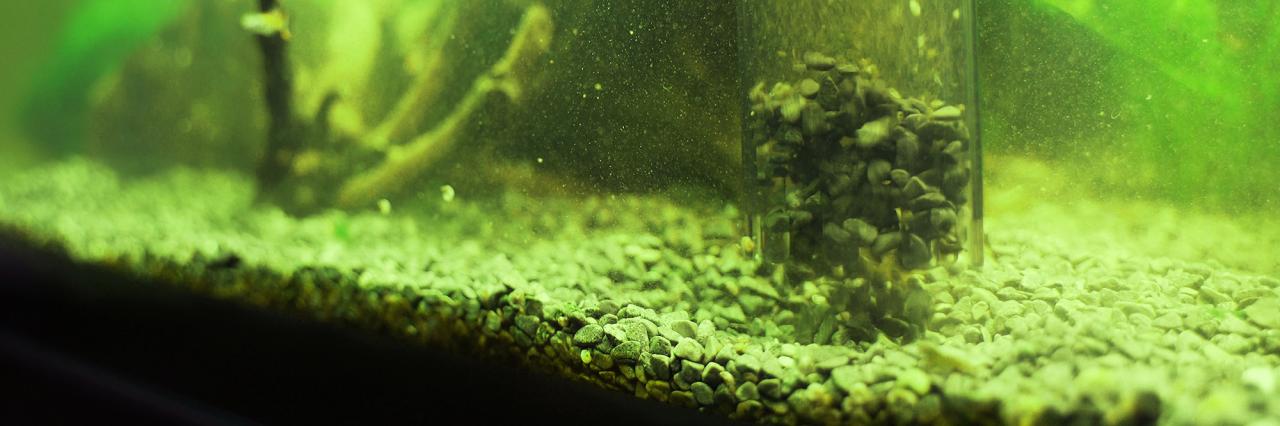
Chemical treatments offer a targeted approach to algae control, but their use requires careful consideration of potential risks and proper application. These methods should be employed only when other, less aggressive approaches have proven ineffective. Misapplication can harm beneficial organisms in the aquarium and compromise water quality.
Common Chemical Treatments
Chemical treatments for algae control encompass a range of compounds with varying mechanisms of action and degrees of effectiveness. Proper identification of the algae type is crucial for selecting the most suitable chemical. Many products contain algaecides, which directly target and kill algae.
- Algaecides: Algaecides are chemical compounds designed to inhibit or kill algae growth. Different algaecides target different types of algae, and their effectiveness depends on factors such as the concentration, contact time, and the specific algae species. Examples include copper-based algaecides, which are highly effective but also pose potential toxicity risks to fish and invertebrates. Potassium peroxymonosulfate is a relatively less toxic option but might not be as effective as copper-based products against certain types of algae.
- Hydrogen Peroxide: Hydrogen peroxide, a common household disinfectant, can be used as an algae control agent in low concentrations. It acts as an oxidizing agent, disrupting the metabolic processes of algae. Its effectiveness is typically lower than specialized algaecides, and it can potentially bleach certain aquarium decorations or plants.
- Chlorine Dioxide: Chlorine dioxide is a powerful oxidizing agent that effectively controls various algae types. It can be highly effective, but its use should be meticulously monitored due to potential toxicity to aquatic life.
Effectiveness and Risks Comparison
The effectiveness of chemical treatments depends on various factors, including the type of algae, the concentration of the chemical, the water parameters, and the duration of treatment. Potential risks include harm to fish, invertebrates, and beneficial microorganisms.
| Chemical Treatment | Effectiveness | Potential Risks | Suitability for Different Aquarium Situations |
|---|---|---|---|
| Algaecides (e.g., copper-based) | Generally high, especially against filamentous algae. | High toxicity to fish and invertebrates. Requires precise dosage and monitoring. | Best suited for situations with established algae issues resistant to other methods, and where fish and invertebrate tolerance is considered. |
| Hydrogen Peroxide | Moderate, effective against some algae but less effective than specialized algaecides. | Can bleach certain materials and might not be effective against all types of algae. | Suitable for situations where other treatments are not effective and minimizing risks is crucial. |
| Chlorine Dioxide | High, effective against a wide range of algae. | High toxicity to aquatic life, potential for water quality degradation. Requires careful monitoring and handling. | Use only in cases of severe algae infestation and after careful consideration of potential risks, and with advanced knowledge of proper handling and monitoring. |
Importance of Safety Precautions
Following the manufacturer’s instructions and safety precautions is paramount when using any chemical treatment. These precautions detail the appropriate dosage, application methods, and safety measures to prevent harm to aquatic life and the environment. Always test the chemical solution in a separate container or section of the aquarium before applying it to the main tank.
“Always prioritize the safety of your aquatic inhabitants and the overall health of your aquarium environment when using chemical treatments.”
Biological Control Methods
Biological control methods for aquarium algae rely on introducing beneficial organisms that consume algae, promoting a healthier ecosystem balance. These methods are often considered gentler and more sustainable than chemical treatments, as they work within the natural aquarium environment. Employing these techniques can help maintain a visually appealing and thriving aquarium.
Beneficial Bacteria and Algae-Eating Organisms
Beneficial bacteria play a crucial role in aquarium ecosystems by breaking down organic waste. This process contributes to a healthier water quality. Simultaneously, certain organisms directly consume algae, such as snails, shrimps, and certain types of fish. These organisms contribute to controlling algae growth by directly consuming it, maintaining a healthy balance in the aquarium. This approach is a key element of sustainable aquarium maintenance.
Introducing Beneficial Organisms
Carefully introducing beneficial organisms is crucial for a successful biological control strategy. Overstocking or introducing incompatible species can disrupt the balance of the ecosystem. Prioritize purchasing organisms from reputable sources to ensure health and suitability for your aquarium environment. Observe the aquarium for any signs of stress or incompatibility among the organisms before introducing more. Thorough research on the specific organisms’ needs and compatibility with your existing aquarium inhabitants is vital.
Procedure for Introducing Beneficial Organisms
- Acclimate the organisms to the aquarium water gradually. This prevents shock and ensures they adapt well to the new environment.
- Observe the organisms for any signs of stress, illness, or aggression. Ensure a suitable environment for their survival and growth.
- Monitor the aquarium’s water parameters regularly, ensuring they remain within the optimal range for the organisms. This will help to promote the health of the organisms and the overall ecosystem.
- Introduce organisms in small quantities at first to observe their effect on the algae and the aquarium’s environment. Adjust the number of organisms as needed.
Comparison of Biological Control Methods
| Method | Advantages | Disadvantages |
|---|---|---|
| Using snails (e.g., Malaysian Trumpet Snails, Ramshorn Snails) | Efficient algae removal, relatively low maintenance, and natural control | Potential for overpopulation if not monitored, some species may graze on beneficial plants |
| Introducing algae-eating fish (e.g., certain types of catfish, plecos) | Effective algae control, visually appealing if the fish are suitable for your aquarium | Requires appropriate tank size, some species may not be compatible with other fish, potential for aggressive behavior |
| Using specialized filter media or bacteria | Natural decomposition and waste breakdown, often effective in combination with other methods | May not be sufficient for large algae outbreaks, effectiveness can vary based on specific bacterial strains |
Maintaining a Healthy Aquarium Environment
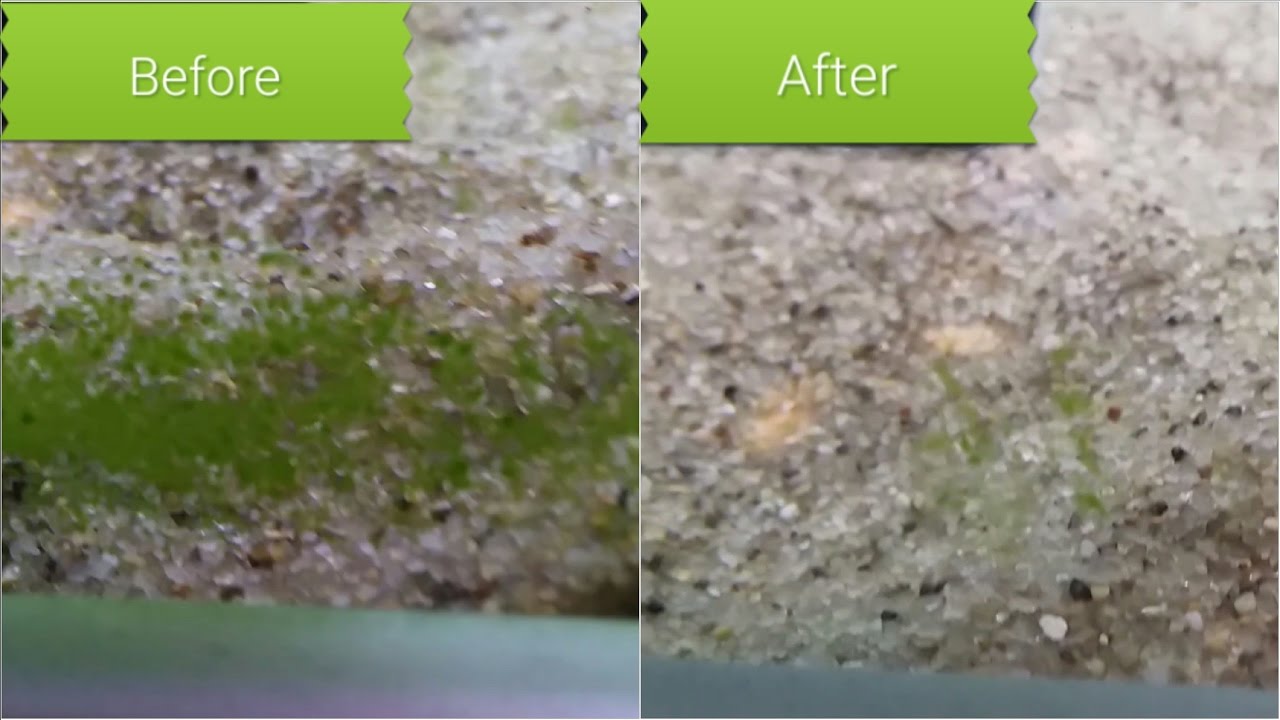
Maintaining a healthy aquarium environment is crucial for preventing algae outbreaks and ensuring the well-being of your aquatic inhabitants. A thriving ecosystem requires careful attention to various factors, from water quality to lighting conditions. Proactive measures to minimize stress and optimize the environment significantly reduce the likelihood of algae issues arising.A well-maintained aquarium ecosystem mirrors a natural one.
By mimicking the conditions of a healthy natural habitat, we can create an environment where algae growth is less likely to become problematic. This involves understanding the delicate balance of nutrients, light, and water parameters, all of which play a role in the health and stability of the aquarium.
Preventative Measures to Reduce Algae Outbreaks
Understanding the conditions that favor algae growth is paramount in implementing preventative measures. Proactive measures are key to avoiding potential issues. A proactive approach, focusing on maintaining stable conditions, is more effective than reactive measures to address problems after they arise.
- Regular water changes are essential for maintaining water quality and removing excess nutrients that can fuel algae growth.
- Maintaining proper filtration and circulation is critical for removing waste products, preventing ammonia and nitrite buildup, and keeping the water clear.
- Appropriate stocking levels are vital to avoid overfeeding and excess waste production, both of which can contribute to nutrient imbalances.
- Implementing a consistent feeding schedule and appropriate portion sizes helps regulate nutrient levels and prevents overfeeding.
- Monitoring and maintaining suitable water parameters, including temperature, pH, and ammonia, is important to prevent stress and maintain a healthy environment for all inhabitants.
Importance of Regular Water Changes and Proper Maintenance Routines
Regular water changes are fundamental to maintaining a healthy aquarium environment. Proper maintenance routines remove accumulated waste and excess nutrients, which are major contributors to algae growth.
- Regular water changes help to remove accumulated waste products, preventing the build-up of harmful substances like nitrates and phosphates that encourage algae growth.
- The frequency of water changes should be tailored to the specific aquarium size, stocking density, and filtration system, ensuring a constant level of cleanliness.
- A regular maintenance schedule should include cleaning the gravel, filters, and other components of the aquarium to maintain water clarity and overall hygiene.
- Proper maintenance routines, including cleaning and filter replacement, promote a healthy environment that minimizes the risk of algae blooms.
Adjusting Lighting and Nutrient Levels
Adjusting lighting and nutrient levels can significantly impact algae growth. By optimizing these factors, you create an environment less conducive to algae development.
- Adjusting lighting duration and intensity can influence algae growth rates. For example, reducing the hours of light exposure can limit algae production.
- Maintaining optimal nutrient levels, particularly phosphates and nitrates, is crucial for minimizing algae growth. Regular water testing and appropriate water changes are vital for maintaining these levels.
- Controlling the nutrient levels in the aquarium is a proactive measure, minimizing the risk of algae outbreaks.
Checklist for Maintaining a Healthy Aquarium Environment
Implementing a comprehensive checklist ensures all essential aspects of aquarium maintenance are addressed.
| Task | Frequency | Description |
|---|---|---|
| Water Change | Weekly or bi-weekly | Replace a portion of the aquarium water with fresh, dechlorinated water. |
| Filter Cleaning | Weekly or bi-weekly | Clean or replace filter media to remove waste and maintain water clarity. |
| Gravel Cleaning | Monthly | Thoroughly clean the gravel to remove accumulated debris and waste. |
| Nutrient Level Testing | Bi-weekly | Test water parameters for ammonia, nitrite, nitrate, and phosphate. |
| Algae Inspection | Weekly | Visually inspect the aquarium for signs of algae growth. |
Troubleshooting Algae Issues
Persistent algae problems in aquariums can stem from a multitude of interconnected factors. Addressing these issues requires a systematic approach, moving beyond general treatments to pinpoint the root cause and implement tailored solutions. This section provides guidance for diagnosing and resolving specific algae challenges that may not yield to standard treatments.Troubleshooting persistent algae requires a methodical approach that combines observation, analysis, and targeted interventions.
A key element in this process is accurately identifying the type of algae. Different algae types respond differently to various treatments. The correct identification will allow for a more precise and effective resolution.
Identifying Potential Causes of Persistent Algae Problems
Understanding the potential underlying causes of persistent algae is crucial for effective treatment. Factors such as nutrient imbalances, inadequate water changes, and insufficient filtration can all contribute to excessive algae growth. Furthermore, overfeeding, unsuitable lighting conditions, and stress on the aquarium inhabitants can also be contributing factors.
- Nutrient Imbalances: Elevated levels of nitrates, phosphates, and other nutrients can stimulate rapid algae growth. These nutrients often originate from fish waste, uneaten food, and even the aquarium substrate. Monitoring and adjusting water parameters to maintain optimal levels is critical.
- Inadequate Water Changes: Regular water changes are essential for removing accumulated waste products and maintaining a healthy water chemistry. Insufficient water changes can lead to a buildup of nutrients, providing a fertile ground for algae growth.
- Insufficient Filtration: Proper filtration is vital for removing organic matter and particulate matter that contribute to nutrient buildup. A filtration system that is inadequate or overloaded may struggle to keep up with the waste produced by the aquarium inhabitants, thereby exacerbating the algae problem.
- Overfeeding: Overfeeding leads to excess uneaten food, which decomposes and releases nutrients into the water, fostering algae growth.
- Inappropriate Lighting: The duration and intensity of aquarium lighting can significantly impact algae growth. Excessive or inadequate lighting can contribute to algal blooms. Finding a balanced lighting schedule is crucial for a healthy aquarium.
- Stress on Aquarium Inhabitants: Stressful conditions for the fish or other inhabitants can weaken their immune systems, potentially making them more susceptible to algae issues. Stress can also impact the overall health of the aquarium environment.
Solutions for Specific Algae Issues
Some algae issues may not respond to general treatments. Targeted solutions tailored to the specific type of algae are often necessary. These solutions may involve adjusting lighting, altering feeding practices, or implementing specialized treatments.
- Brown Algae (Diatoms): Brown algae, frequently found in newly set-up aquariums, may require adjustments to lighting intensity and frequency, alongside regular water changes to reduce nutrient levels.
- Green Hair Algae: This stubborn algae often requires a combination of mechanical removal, nutrient reduction through water changes, and the application of specific algaecides. Sometimes, a combination of these methods is the most effective approach.
- Green Spot Algae: This type of algae often responds to increased water flow and targeted removal. Reducing nutrients and improving water quality can also be beneficial.
Importance of Accurate Algae Identification
Accurate identification of the algae type is paramount for effective treatment. Different algae types have varying sensitivities to different treatments, making a correct diagnosis critical for successful resolution. Applying the wrong treatment can be ineffective or even harmful.
Flowchart for Diagnosing and Addressing Algae Problems
A flowchart helps users diagnose and address algae problems in their aquariums systematically. It guides users through a series of questions and considerations to pinpoint the cause and recommend appropriate solutions.
| Step | Question/Consideration | Possible Action |
|---|---|---|
| 1 | What type of algae is present? | Identify the algae type through visual inspection and online resources. |
| 2 | What are the water parameters (e.g., ammonia, nitrite, nitrate, phosphate)? | Test water parameters and adjust accordingly. |
| 3 | Are water changes being performed regularly? | Increase water change frequency if needed. |
| 4 | Is the filtration system adequate and functioning correctly? | Ensure proper filtration and clean filters as needed. |
| 5 | Are there any other potential contributing factors (overfeeding, inappropriate lighting, stress on inhabitants)? | Address any potential contributing factors. |
| 6 | What is the frequency of feeding and lighting? | Adjust feeding and lighting schedules if needed. |
Prevention Strategies
Preventing algae outbreaks requires a proactive approach focused on maintaining a stable and healthy aquarium environment. This involves understanding the factors that contribute to algae growth and implementing strategies to mitigate those factors. Proactive measures are significantly more effective than reactive solutions, minimizing the need for extensive treatments.Maintaining a healthy aquarium ecosystem is paramount to preventing algae issues.
This involves meticulous attention to feeding habits, stocking levels, and regular maintenance, ensuring the balance of the environment is not disrupted. A consistent approach to water quality and aquarium management is key.
Regular Maintenance and Water Parameter Monitoring
Regular maintenance is crucial for preventing algae buildup. This includes routine water changes, cleaning the substrate, and removing debris. Monitoring water parameters, including ammonia, nitrite, nitrate, pH, and temperature, is equally vital. Variations in these parameters can trigger algae blooms. Consistent monitoring allows for timely intervention and adjustments to maintain optimal conditions.
Proper Feeding Habits
Overfeeding leads to excess nutrients in the water, providing a fertile ground for algae growth. A balanced and appropriate feeding schedule is essential. Feeding only the amount that is consumed within a few minutes and removing any uneaten food promptly are crucial steps. Overstocking, a common mistake, also contributes to excessive nutrient levels. Careful consideration of the species and their individual needs is necessary when determining appropriate stocking levels.
Aquarium Stocking Levels
Maintaining appropriate stocking levels is vital to prevent nutrient overload. Overstocking leads to an excess of waste products, impacting water quality and increasing the risk of algae growth. The number of fish and other inhabitants should be carefully considered in relation to the aquarium’s size and filtration capacity. Matching species with compatible tank mates and considering their individual needs for space and activity will help to maintain a balanced environment.
Preventive Measures Table
| Preventive Measure | Effectiveness | Frequency of Implementation |
|---|---|---|
| Regular Water Changes (25-50% weekly) | High | Weekly or bi-weekly, depending on stocking levels and water parameters |
| Regular Substrate Cleaning | Moderate | Weekly or bi-weekly, depending on the type of substrate and stocking levels |
| Regular Filter Maintenance | High | Weekly or bi-weekly, depending on filter type and water flow |
| Appropriate Feeding Schedule | High | Daily or every other day, feeding only the amount consumed within a few minutes |
| Monitoring Water Parameters | High | Daily or every other day, using appropriate test kits |
| Appropriate Stocking Levels | High | Ongoing assessment, adjusting as needed |
| Regular Algae Removal | Moderate | As needed, based on algae growth rate |
Advanced Techniques
Addressing stubborn algae infestations often requires a multifaceted approach beyond basic removal methods. Advanced techniques leverage specialized tools, biological controls, and careful environmental adjustments to effectively eliminate problematic algae and prevent future outbreaks. These methods are particularly useful for tackling hard-to-remove algae types and maintaining a healthy aquarium ecosystem.Advanced algae control often involves a deeper understanding of the specific algae type and the contributing environmental factors.
By pinpointing the root causes, proactive measures can be implemented to prevent future algae blooms. This includes adjusting water parameters, improving filtration, and implementing biological controls that target the specific algae species.
Specialized Algae-Eating Species
Certain aquatic species, known as algae-eating species, are highly effective in controlling algae growth in the aquarium. These species consume algae as part of their natural diet, contributing to a balanced ecosystem.
- Certain types of snails, like the Malaysian Trumpet Snail, are known for their voracious appetite for algae, particularly diatoms and green algae. Their presence can significantly reduce algae buildup, especially on hard surfaces.
- Some types of fish, like certain species of rasbora or catfish, also graze on algae. However, their effectiveness varies depending on the species and the type of algae.
- Certain shrimps, such as Amano shrimps, are also effective algae grazers, keeping the aquarium cleaner and preventing algae blooms.
Alternative Methods for Algae Removal
Innovative methods, besides the traditional removal techniques, provide alternative solutions for controlling algae.
- UV Sterilization: Ultraviolet (UV) sterilization systems can effectively kill algae cells by disrupting their DNA structure. This method is particularly useful for controlling planktonic algae and preventing the growth of free-floating algae. Regular maintenance of the UV system is essential to ensure its effectiveness.
- Activated Carbon Filters: Incorporating activated carbon filters can improve water clarity and reduce organic matter, which can sometimes contribute to algae growth. Regular replacement of the activated carbon is important for maintaining its effectiveness.
- Adjusting Light Parameters: Excessive or inadequate lighting can stimulate algae growth. Adjusting the lighting schedule and intensity can significantly impact algae growth. For instance, reducing the hours of light exposure can curb the growth of light-dependent algae.
Procedures for Hard-to-Remove Algae Types
Specific procedures are often necessary for addressing stubborn algae types that resist standard removal methods.
- Identifying the type of algae: Accurate identification of the algae type is crucial. Different algae species react differently to control methods, so precise identification is key to successful removal.
- Targeted treatment: Applying targeted treatments tailored to the specific algae type is vital for effective removal. This may involve adjusting water parameters, using specific algae-eating species, or employing targeted chemical controls.
- Prevention strategies: Implementing preventive measures, such as maintaining stable water parameters and providing adequate filtration, can reduce the likelihood of stubborn algae re-emergence.
Comprehensive Guide to Advanced Algae Removal
A comprehensive approach combines various strategies for effectively tackling algae problems. A detailed guide would Artikel specific procedures and recommendations tailored to different algae types and aquarium setups. It would include detailed information on algae identification, environmental factors influencing growth, suitable control methods, and long-term prevention strategies. A key aspect would be addressing the specific root causes behind algae outbreaks.
Closing Notes
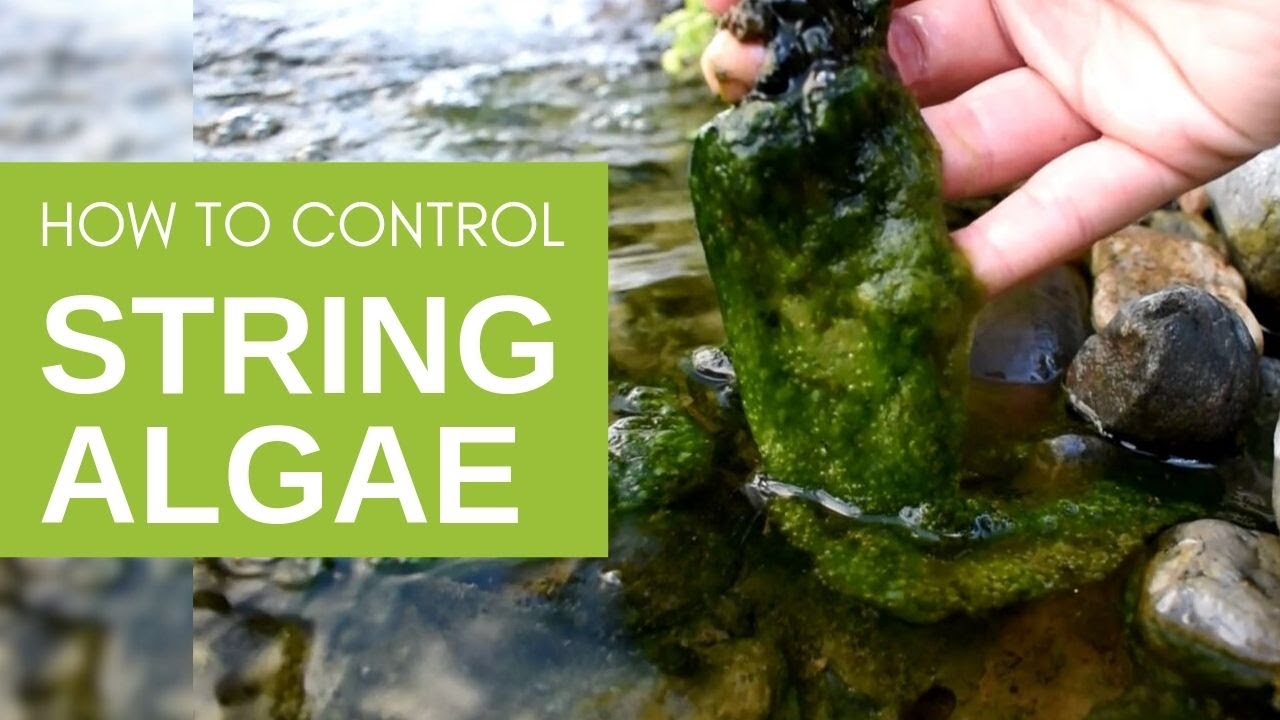
In conclusion, tackling aquarium algae requires a multifaceted approach, encompassing identification, understanding root causes, and employing appropriate removal strategies. This guide provides a comprehensive roadmap, from mechanical scraping to chemical treatments and biological controls, enabling you to transform your aquarium from an algae-ridden environment to a thriving ecosystem. By understanding the various factors and implementing the preventative measures Artikeld here, you can maintain a healthy aquarium environment, free from unsightly algae.