Fish health is paramount to maintaining a thriving aquarium environment. Understanding the subtle signs of illness is crucial for early intervention and successful treatment. This guide provides a comprehensive overview of common fish diseases, focusing on identification, diagnosis, and preventative measures. By learning to recognize the early warning signs, you can effectively maintain the well-being of your aquatic companions.
This guide will explore the various physical symptoms, behavioral changes, and environmental factors that contribute to fish diseases. We’ll cover everything from recognizing subtle discolorations to understanding the importance of water quality parameters. You will learn how to differentiate between normal and abnormal fin behaviours, and the different types of lesions and their potential causes. The detailed information provided will empower you to proactively address any issues that may arise.
Introduction to Fish Diseases
Fish diseases encompass a wide range of ailments affecting various fish species. These conditions can stem from various factors, including pathogens, environmental stressors, and nutritional deficiencies. Early detection and appropriate intervention are crucial for effective fish health management, preventing further spread and minimizing economic losses.Understanding the general signs and symptoms, the causative pathogens, and the susceptibility of different fish species are essential for successful disease prevention and treatment.
This knowledge enables proactive measures to maintain healthy fish populations.
Definition of Common Fish Diseases
Common fish diseases are ailments affecting fish populations, often characterized by visible signs and symptoms, and resulting from pathogens or adverse environmental conditions. These conditions can lead to significant morbidity and mortality if not managed effectively.
Importance of Early Detection in Fish Health Management
Early detection of fish diseases is critical for minimizing losses and improving overall health. Prompt diagnosis allows for timely treatment, preventing the spread of disease to other fish and reducing the severity of the infection. Rapid intervention can also prevent the economic consequences of significant mortality rates in a fish population.
General Signs and Symptoms of Fish Diseases
Fish diseases manifest in various ways. Common signs include lethargy, loss of appetite, abnormal swimming patterns, fin and scale damage, lesions, discoloration, and unusual behavior. Specific symptoms vary based on the type of disease and the affected species. It is important to note that these symptoms can also indicate other issues, so accurate diagnosis requires careful observation and, if necessary, veterinary consultation.
Types of Pathogens Causing Fish Diseases
A variety of pathogens contribute to fish diseases. These include:
- Bacteria: Bacterial infections can manifest as skin ulcers, fin rot, and internal organ damage. Examples include
-Aeromonas*,
-Flavobacterium*, and
-Streptococcus* species. - Fungi: Fungal infections frequently affect the skin and gills, leading to discoloration and lesions. Examples include
-Saprolegnia* and
-Branchiomyces* species. - Parasites: Parasitic infections can cause external and internal damage. These parasites can range from protozoans to flukes, and often lead to skin irritation, lethargy, and weight loss. Examples include
-Ichthyophthirius multifiliis* (Ich) and various nematodes. - Viruses: Viral infections can manifest as various symptoms, from lethargy to sudden death. Viral infections can be difficult to diagnose and often require specialized laboratory testing. Examples include viral hemorrhagic septicemias (VHS).
Susceptibility of Different Fish Species to Diseases
Different fish species have varying susceptibility to different diseases. This is influenced by factors such as genetics, immune system strength, environmental conditions, and overall health.
| Fish Species | Susceptible Diseases |
|---|---|
| Salmonids (Salmon, Trout) | Bacterial infections (e.g.,
|
| Cichlids | Fungal infections (e.g.,
|
| Catfish | Bacterial infections (e.g.,
|
| Goldfish | Bacterial infections (e.g.,
|
Identifying Physical Symptoms
Recognizing the physical signs of illness in fish is crucial for timely intervention and treatment. Observing changes in appearance, behavior, and fin condition can help distinguish between normal and abnormal states. Careful monitoring and accurate identification are essential steps in providing effective care for your fish.Understanding the physical symptoms of fish diseases is vital for diagnosis. This involves recognizing subtle changes in coloration, fin structure, and behavioral patterns.
By diligently observing your fish, you can detect potential issues early and seek appropriate veterinary care, maximizing their chances of recovery.
Common Physical Signs of Illness
Observing changes in your fish’s appearance, such as discoloration, lesions, fin damage, and behavioral changes, is critical for early detection of potential illnesses. Consistent monitoring enables you to identify deviations from normal health, allowing for prompt action and potentially saving the fish’s life.
- Discoloration: Changes in the fish’s normal coloration, such as pale, dark, or blotchy spots, can indicate illness. For instance, a previously vibrant orange fish exhibiting a pale, almost white coloration might suggest a systemic infection. Similarly, unusual redness or darkening around the fins or body can signal an inflammatory response.
- Lesions: Sores, ulcers, or other skin abnormalities on the fish’s body can be indicators of infection or injury. These lesions can vary in size and appearance, from small, pinpoint spots to large, open wounds. Careful observation of these lesions can help determine the potential cause, such as bacterial or fungal infections.
- Fin Rot: Damaged or decaying fins are common signs of disease. Fin rot, characterized by fraying, discoloration, or complete loss of fin tissue, can indicate bacterial infections. The degree of fin rot can vary depending on the severity and type of infection.
- Behavioral Changes: Alterations in normal behavior can be an early warning sign of illness. These changes can include lethargy, loss of appetite, erratic swimming patterns, or difficulty maintaining balance. For example, a fish that was previously active and engaged in exploring its environment might become lethargic and stay at the bottom of the tank.
Comparison of Physical Symptoms
The following table summarizes the common physical symptoms associated with bacterial, fungal, and parasitic infections in fish. Recognizing these patterns aids in determining the type of infection and subsequently selecting the appropriate treatment.
| Symptom | Bacterial Infection | Fungal Infection | Parasitic Infection |
|---|---|---|---|
| Discoloration | Pale or dark spots, redness | White, cotton-like growths | Patches of discoloration, small spots |
| Lesions | Sores, ulcers, rough skin | Raised, velvety lesions | Tiny bumps, scabs |
| Fin Rot | Frayed, discolored, or missing fins | Frayed, discolored fins, fungal growth | Fin damage, loss of fin tissue |
| Behavioral Changes | Lethargy, loss of appetite, erratic swimming | Lethargy, loss of appetite, gasping for air | Scratching against objects, lethargy, loss of appetite |
Differentiating Normal and Abnormal Fin Behavior
Normal fin behavior in fish varies based on species and individual temperament. However, consistent changes in fin position, movement, or condition can signal disease. For example, a fish that frequently flicks its fins in a normal state might be exhibiting abnormal behavior if it does so excessively or with an unusual posture.
Types of Fin Rot and Treatments
Different types of fin rot have varying characteristics and require specific treatments.
| Type of Fin Rot | Description | Treatment |
|---|---|---|
| Bacterial Fin Rot | Frayed, discolored fins, often with bacterial slime | Antibiotics, improved water quality |
| Fungal Fin Rot | Frayed, discolored fins with fungal growth, often white | Fungicides, improved water quality |
| Parasitic Fin Rot | Frayed, discolored fins, often with parasites visible | Parasiticide, improved water quality, aquarium sanitation |
Identifying Lesions and Potential Causes
Identifying lesions requires careful observation and consideration of other symptoms. The appearance, location, and size of the lesions can provide clues about the underlying cause. For example, small, pinpoint lesions might be indicative of a bacterial infection, while larger, raised lesions could suggest a fungal infection.
Behavioral Changes as Indicators
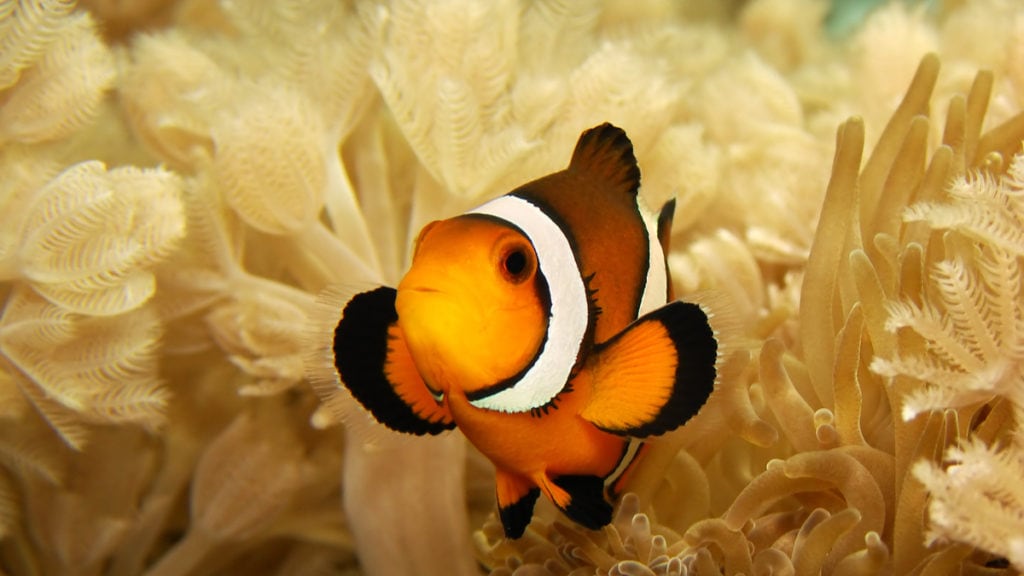
Observing the behavior of your fish is crucial in early disease detection. Subtle changes in their usual patterns can signal underlying health issues, often before physical symptoms become apparent. Early intervention is vital for successful treatment and preventing the spread of disease to other fish in your aquarium.Behavioral changes are often the first and most noticeable signs of illness in fish.
These changes can range from subtle shifts in activity to more dramatic displays of distress. Recognizing these indicators allows for prompt action, potentially saving the fish’s life.
Importance of Observing Fish Behavior
Fish, unlike humans, cannot verbally communicate their discomfort or illness. Their behavior provides valuable clues about their well-being. Monitoring their activities, swimming patterns, and interactions with other fish allows you to detect potential problems early on. This proactive approach to fish care is vital for maintaining a healthy and thriving aquarium environment.
Various Behavioral Changes Indicating Disease
Several behavioral changes can signal disease in your fish. Recognizing these cues is key to early diagnosis and intervention.
- Lethargy: A decrease in activity level is a common indicator. Fish may exhibit reduced swimming, spending more time resting at the bottom of the tank, or appearing less responsive to stimuli. This can be a sign of a variety of illnesses, including bacterial infections, parasites, and even nutritional deficiencies.
- Loss of Appetite: A sudden loss of interest in food is a significant indicator of potential health problems. This can be caused by various conditions, including bacterial infections, internal parasites, and stress. If a fish consistently refuses food, it’s crucial to investigate further.
- Aggression: While some level of interaction is normal among fish, increased aggression, nipping, or chasing behavior can be a symptom of disease. This may be a result of stress, overcrowding, or underlying illnesses such as fin rot or internal parasites.
- Unusual Swimming Patterns: Abnormal swimming patterns, including erratic swimming, circling, or swimming near the surface, can indicate a variety of health issues. These patterns can be indicative of parasites, bacterial infections, or even neurological disorders. It is crucial to note any deviations from the fish’s normal swimming behavior.
Comparing Behavioral Changes in Fish with Different Diseases
Different diseases can manifest in distinct behavioral ways. For example, fin rot might be accompanied by lethargy and rubbing against the tank, while a bacterial infection could cause loss of appetite and erratic swimming. Maintaining detailed records of observed behaviors can assist in identifying potential diseases more accurately.
Stress and Fish Diseases
Stress is a significant factor that can compromise a fish’s immune system, making them more susceptible to diseases. Overcrowding, sudden water changes, and incompatible tank mates can contribute to stress. Stress can manifest as a decrease in appetite, increased aggression, and erratic swimming, potentially leading to a multitude of health complications. It is important to maintain a stable and stress-free environment for your fish to maintain their overall health and well-being.
Environmental Factors Affecting Fish Health
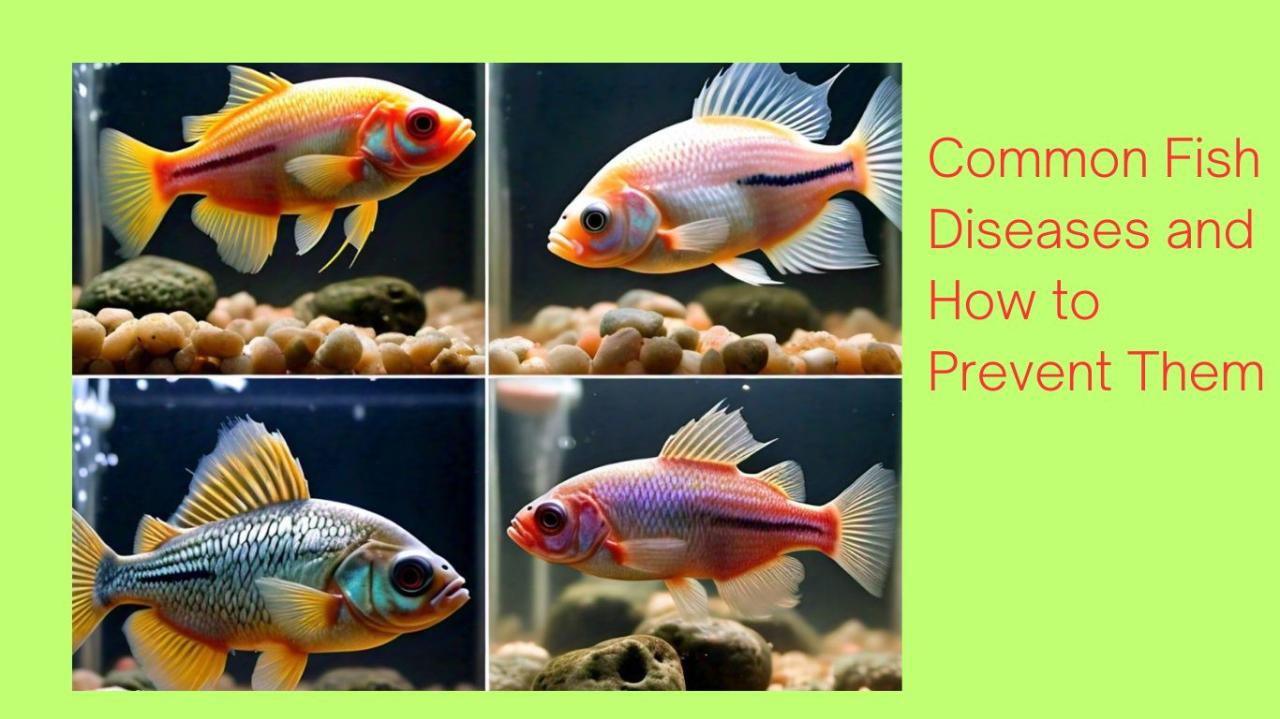
Maintaining a healthy aquatic environment is crucial for the well-being of fish. Environmental factors, including water quality, overcrowding, and filtration, significantly influence a fish’s susceptibility to disease. Understanding these factors allows fish keepers to proactively prevent illness and promote optimal health.
Poor Water Quality and Fish Diseases
Poor water quality is a significant contributor to fish diseases. Contaminants and imbalances in water parameters create stressful conditions that weaken fish immune systems, making them more vulnerable to pathogens. This is a common factor in outbreaks of bacterial and fungal infections. The accumulation of waste products and inadequate water changes can lead to ammonia, nitrite, and nitrate spikes, causing significant harm to fish health.
Optimal Water Parameters
Maintaining optimal water parameters is essential for preventing fish diseases. Consistent monitoring and adjustments are crucial to create a stable and healthy environment. Specific parameters, including temperature, pH, ammonia, nitrite, and nitrate, must be within acceptable ranges.
- Temperature: Maintaining appropriate water temperature is vital. Sudden changes or temperatures outside the fish species’ ideal range can lead to stress and compromised immunity, making them more prone to diseases. For example, a goldfish kept in a tank with fluctuating temperatures might exhibit lethargy and increased susceptibility to bacterial infections.
- pH: The ideal pH level for fish varies depending on the species. Deviations from the optimal pH range can cause stress and damage to fish gills, making them more susceptible to infections. Maintaining a stable pH is crucial for fish health and overall well-being.
- Ammonia: Ammonia, a toxic byproduct of fish waste, can quickly reach harmful levels in poorly maintained tanks. High ammonia concentrations can cause gill damage and stress, increasing the risk of diseases. Regular water changes and appropriate filtration are necessary to control ammonia levels.
- Nitrite: Nitrite, a toxic intermediate in the nitrogen cycle, can also cause severe health problems in fish. High nitrite levels can lead to internal bleeding and other serious issues. Proper filtration and regular water changes are crucial for managing nitrite levels.
- Nitrate: While not as toxic as ammonia or nitrite at lower levels, high nitrate levels can still negatively affect fish health. Prolonged exposure can lead to lethargy, reduced appetite, and increased susceptibility to disease. Regular water changes help to control nitrate levels.
Overcrowding and Fish Health
Overcrowding in fish tanks can lead to stress, competition for resources, and increased transmission of diseases. A dense population of fish creates a high concentration of waste products, further exacerbating poor water quality. This can cause stress-related diseases and make fish more susceptible to infection. For example, a tank with too many fish might see an increased incidence of fin rot or bacterial infections.
Proper Filtration and Water Circulation
Proper filtration and water circulation are essential components of a healthy fish tank environment. These mechanisms remove waste products, maintain water quality, and promote a healthy balance in the aquarium. Adequate filtration helps prevent the accumulation of harmful toxins and maintains the beneficial bacteria necessary for the nitrogen cycle. Proper circulation ensures that water is evenly oxygenated and promotes overall water quality.
Performing a Water Quality Test
Regular water quality testing is essential for maintaining healthy fish tanks. Testing kits are available to measure key parameters like ammonia, nitrite, nitrate, and pH. By consistently monitoring these parameters, you can identify and address any imbalances that might be affecting your fish’s health. These tests provide valuable insights into the overall health of the aquatic environment and enable proactive management of potential problems.
| Parameter | Ideal Range | How to Test |
|---|---|---|
| Ammonia | 0 ppm | Use a liquid test kit or a digital test strip. |
| Nitrite | 0 ppm | Use a liquid test kit or a digital test strip. |
| Nitrate | <40 ppm | Use a liquid test kit or a digital test strip. |
| pH | 6.0-7.5 | Use a liquid test kit or a digital test strip. |
| Temperature | Specific to the fish species | Use a thermometer. |
Diagnostic Tools and Procedures
Accurate diagnosis of fish diseases hinges on a systematic approach, combining observations with various diagnostic tools. This section details crucial methods for identifying the cause of fish illness, ensuring appropriate and timely treatment. Proper identification is paramount to prevent further spread of disease within the aquarium or pond.
Role of Observation
Careful observation is fundamental in identifying fish diseases. A watchful eye can detect subtle changes in appearance, behavior, and overall condition. Early detection is crucial for effective treatment, and experienced aquarists often identify problems before they become widespread. Consistent monitoring of fish behavior, including feeding habits, swimming patterns, and interactions with other fish, can provide valuable insights into potential health issues.
Fish exhibiting unusual lethargy, erratic swimming, or loss of appetite may indicate a problem requiring immediate attention.
Water Sample Collection
Collecting and analyzing water samples is a crucial step in fish disease diagnosis. Water quality directly impacts fish health, and changes in parameters can indicate underlying problems. The proper collection method is essential for accurate results. A sterile container should be used, ideally one specifically designed for water sampling. The sample should be collected from the area where the fish are showing signs of illness.
Ensure the container is filled completely to avoid introducing air bubbles. Ideally, samples should be taken from multiple locations to capture a representative sample of the water quality within the affected area.
Microscopical Examination for Parasites
Microscopical examination is a vital tool for detecting parasitic infections. Parasites, ranging from protozoa to external worms, can be identified through microscopic examination of water samples, fish scales, or gill tissues. A technician skilled in microscopical analysis can distinguish between various parasite types based on their size, shape, and motility. This examination involves preparing a sample slide with a drop of water or tissue, then viewing it under a microscope at different magnifications.
This method is critical for pinpointing the specific parasite causing the problem, allowing for targeted treatment.
Diagnostic Kits for Bacterial Infections
Diagnostic kits provide rapid and reliable methods for identifying bacterial infections. These kits often employ immunological techniques like ELISA (enzyme-linked immunosorbent assay) or rapid antigen tests. These tests can identify specific bacterial pathogens, allowing for tailored treatment strategies. The kits are designed for ease of use and can be deployed in various settings, from home aquariums to large-scale fish farms.
Results are usually available within a short time frame, helping ensure timely intervention.
Isolation of Sick Fish
Isolating sick fish is a crucial preventative measure. This practice minimizes the risk of spreading the disease to healthy fish. Sick fish should be placed in a separate quarantine tank, ideally one that is clean and properly maintained, with appropriate water parameters. This isolation prevents the healthy fish from contracting the disease, which could otherwise lead to a full-scale outbreak.
By isolating affected individuals, the spread of disease can be contained and controlled.
Common Fish Diseases
Understanding the common diseases affecting fish is crucial for maintaining healthy aquatic environments and ensuring the well-being of your finned companions. Early detection and appropriate treatment can significantly improve the chances of recovery. This section delves into detailed information on fin rot, dropsy, and ichthyophthirius multifiliis, outlining their causes, symptoms, treatments, and preventative measures.
Fin Rot
Fin rot is a prevalent bacterial infection affecting the fins of fish. It’s characterized by frayed, ragged, and often discolored fins. The disease can progress rapidly, potentially leading to significant fin loss.
- Causes: Fin rot is typically caused by bacterial infections, often exacerbated by poor water quality, such as high ammonia or nitrite levels, and stress. These conditions can weaken the fish’s immune system, making them more susceptible to bacterial invasion.
- Symptoms: The most noticeable symptom is the deterioration of fins, which may appear frayed, ragged, or discolored. The edges of the fins often become frayed and appear as if they are being eaten away. In severe cases, the fins might be completely lost. Other symptoms can include lethargy and loss of appetite.
- Treatments: Treatment typically involves improving water quality parameters and administering antibacterial medications. Examples include aquarium salt (sodium chloride) and medications containing antibiotics such as erythromycin or tetracycline. It is vital to follow the manufacturer’s instructions carefully and maintain a stable water temperature during treatment.
- Prevention: Maintaining optimal water parameters, including regular water changes, appropriate filtration, and avoiding overstocking, can prevent fin rot. Providing a stress-free environment and ensuring adequate nutrition are also key preventive measures.
Dropsy
Dropsy, a severe condition, is characterized by a bloated appearance in the fish. This condition is often linked to various factors, such as bacterial infections, parasites, and water quality issues.
- Causes: Dropsy is frequently associated with infections, particularly bacterial and parasitic infections, as well as stress. Improper water parameters, such as fluctuations in temperature, pH, or salinity, and inadequate nutrition can also contribute to this condition.
- Symptoms: A prominent symptom is the distended abdomen of the fish. The scales may also appear to be raised or “pineconed,” and the fish may exhibit lethargy and loss of appetite. In advanced stages, the fish’s body may become significantly swollen.
- Treatments: Treatments often involve a combination of improved water quality, antibiotics, and supportive care. The specific treatment depends on the underlying cause. Maintaining stable water parameters and providing appropriate nutrition are vital for recovery. Consult with a veterinarian or experienced aquarist for specific recommendations.
- Prevention: Maintaining stable water conditions, providing a balanced diet, and ensuring proper aquarium sanitation are crucial in preventing dropsy. Avoiding stress is also essential, as stress weakens the fish’s immune system, making them more susceptible to diseases.
Ichthyophthirius Multifiliis (Ich)
Ichthyophthirius multifiliis, commonly known as “ich,” is a parasitic disease affecting fish. It’s characterized by small white spots on the body and fins of the fish.
- Causes: Ich is caused by the parasitic protozoan
-Ichthyophthirius multifiliis*. Poor water quality, overcrowding, and stress can contribute to the spread of the parasite. - Symptoms: The most prominent symptom is the appearance of small, white spots on the fish’s body and fins. The spots may be raised or appear as small bumps. Other symptoms include lethargy, loss of appetite, and rapid swimming. The parasite can form “ich” spots or “ich” cysts, which are small white spots that are characteristic of the disease.
- Treatments: Treatments often involve raising the water temperature and using medications containing malachite green or formalin. The specific treatment and dosage should be determined by a veterinarian or experienced aquarist. Maintaining optimal water parameters is crucial for recovery.
- Prevention: Preventing ich involves maintaining optimal water quality and isolating any infected fish. Regular water changes and avoiding overcrowding are also crucial.
Treatment Comparison
| Disease | Fin Rot | Dropsy | Ich |
|---|---|---|---|
| Cause | Bacterial infection | Bacterial/parasitic infection, stress | Parasitic infection |
| Treatment | Antibiotics, improved water quality | Antibiotics, improved water quality, supportive care | Increased water temperature, medication (e.g., malachite green, formalin) |
| Prevention | Optimal water quality, stress reduction | Optimal water quality, balanced diet | Optimal water quality, isolation |
Prevention and Treatment Strategies
Maintaining healthy fish requires proactive measures to prevent diseases and effective treatment protocols when they arise. A multifaceted approach encompassing proper water quality, nutritional needs, and early detection is crucial for successful fish health management. This section details preventative strategies and treatment options, including the role of veterinary care in managing fish health.
Preventative Measures for Maintaining Fish Health
Proactive measures are essential for preventing fish diseases. A healthy environment significantly reduces the risk of illness. Maintaining optimal water parameters, such as temperature, pH, ammonia, nitrite, and nitrate levels, is vital. Regular water changes, using a suitable filtration system, and proper aeration are crucial for maintaining water quality. A balanced diet tailored to the specific needs of the fish species is also important.
Overfeeding should be avoided as it can lead to water quality deterioration and increase the risk of disease.
- Proper Water Quality Management: Regular water testing and adjustments to maintain optimal parameters (temperature, pH, ammonia, nitrite, nitrate) are crucial for preventing disease. Regular water changes, efficient filtration, and adequate aeration are essential.
- Balanced Nutrition: Providing a balanced diet that meets the nutritional requirements of the fish species helps build their immune systems, making them less susceptible to diseases. Overfeeding should be avoided.
- Quarantine Procedures: Quarantine new fish before introducing them to the main tank is a crucial preventative measure. This allows for the early detection of any diseases they might be carrying. This step reduces the risk of spreading disease to the existing fish population.
- Stress Reduction: Avoid sudden changes in the environment (temperature, water flow, or tank mates) to minimize stress, as it weakens the immune system, making fish more vulnerable to diseases. Gentle handling and avoiding overcrowding are important for stress reduction.
Treatment Options for Fish Diseases
Various treatment options are available depending on the disease and severity. These options include medications, quarantine, and environmental adjustments.
- Medication: Various medications are available, each targeting specific diseases. It’s crucial to consult a veterinarian to determine the correct medication and dosage. Medication should only be used under veterinary supervision, as incorrect use can harm the fish.
- Quarantine: Isolating sick fish in a separate quarantine tank is essential to prevent the spread of disease to other fish. This allows for close monitoring and treatment without affecting the health of the rest of the population. The quarantine tank should have clean water and suitable filtration.
- Environmental Adjustments: Adjusting environmental factors, such as temperature or water parameters, may sometimes help alleviate the symptoms of certain diseases. Careful monitoring and adjustments are necessary.
Comparison of Medication Types
| Medication Type | Effectiveness against Specific Diseases | Potential Side Effects |
|---|---|---|
| Antibiotics (e.g., tetracycline) | Effective against bacterial infections | Can cause liver or kidney damage if used incorrectly. |
| Antiparasitics (e.g., formalin) | Effective against parasitic infections | Highly toxic, requiring careful handling and precise dosage. |
| Fungal Treatments (e.g., methylene blue) | Effective against fungal infections | May stain water and fish. |
Importance of Quarantine Procedures
Quarantine is a crucial aspect of fish health management. It involves isolating suspected or confirmed diseased fish in a separate tank to prevent the spread of disease to the healthy fish population. The quarantine tank must be properly equipped with filtration, aeration, and appropriate water parameters. Close monitoring of the quarantined fish is essential.
Quarantine procedures are a critical part of disease control in any fishkeeping environment. Failure to implement quarantine can result in widespread outbreaks of diseases, leading to significant losses.
Role of a Veterinarian in Fish Health Management
A fish veterinarian plays a critical role in preventing and treating fish diseases. Their expertise in diagnosing diseases, selecting appropriate treatments, and providing preventative care is invaluable. Veterinarians can provide advice on maintaining optimal water quality, nutrition, and overall tank environment, thus minimizing the risk of diseases. Their knowledge of different fish species and their specific health needs is essential.
Consultations with a veterinarian are recommended for early diagnosis and treatment of diseases.
Final Review
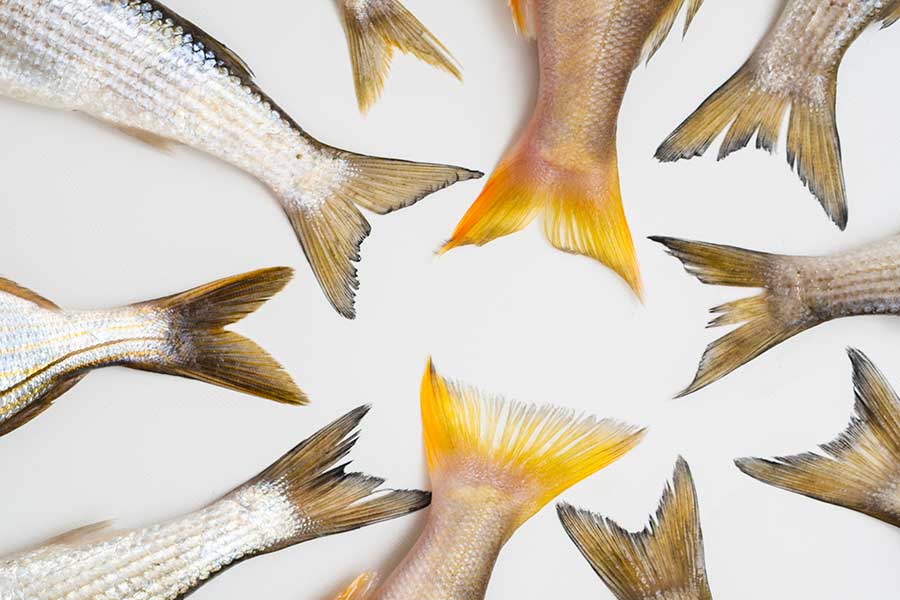
In conclusion, identifying common fish diseases requires a multifaceted approach. By understanding the interplay of physical symptoms, behavioral changes, and environmental factors, you can proactively safeguard the health of your fish. This comprehensive guide has equipped you with the knowledge and tools to effectively diagnose and treat potential issues. Remember, early detection is key to successful fish health management.