Aquarium plants, vibrant additions to any home environment, thrive on proper fertilization. This comprehensive guide delves into the essential aspects of nourishing your aquatic flora, ensuring lush growth and a healthy, balanced ecosystem. We’ll explore various fertilizer types, nutrient requirements, and fertilization techniques, ultimately equipping you with the knowledge to cultivate thriving aquatic gardens.
From understanding the fundamentals of aquarium plant nutrition to mastering advanced techniques like CO2 injection, this guide covers everything you need to know. We’ll also address potential pitfalls, such as over-fertilization, and provide solutions to troubleshoot common problems.
Introduction to Aquarium Plant Fertilization
Maintaining a thriving aquarium ecosystem requires a balanced approach, and this includes providing the necessary nutrients for healthy plant growth. Without proper fertilization, plants may struggle to flourish, leading to a less visually appealing and potentially unstable environment. Understanding the types of fertilizers, essential nutrients, and potential consequences of insufficient fertilization is crucial for aquarium enthusiasts.Aquarium plants, like terrestrial plants, need essential nutrients for photosynthesis and overall development.
These nutrients, when provided in adequate amounts, contribute to vibrant coloration, healthy growth, and a thriving aquarium environment. Proper fertilization ensures that the plants receive the vital building blocks necessary for a robust and visually engaging display.
Different Types of Aquarium Fertilizers
Various types of fertilizers are available to meet the specific needs of aquarium plants. These fertilizers come in different forms, each with its own advantages and disadvantages. Understanding these differences is essential for choosing the right approach for your aquarium.
- Liquid fertilizers offer a convenient and often readily available method of supplying nutrients directly to the water column. They are commonly used due to their ease of use and are generally well-suited for providing a balanced mix of essential elements.
- Granular fertilizers provide a sustained release of nutrients over time, reducing the need for frequent applications. They are a popular choice for aquarists seeking a more hands-off approach to fertilization.
- Slow-release fertilizers are designed to gradually release nutrients into the water over an extended period. This continuous release method can help maintain stable nutrient levels in the aquarium, minimizing the risk of over-fertilization.
Essential Nutrients for Aquarium Plant Growth
Aquarium plants, like terrestrial plants, require a combination of essential nutrients for optimal growth. These nutrients are primarily absorbed through the roots and leaves.
- Nitrogen (N): A crucial component of chlorophyll, proteins, and nucleic acids, nitrogen is essential for plant growth, leaf development, and overall plant vigor. Sufficient nitrogen levels promote healthy leaf growth and vibrant coloration.
- Phosphorus (P): Phosphorus is vital for energy transfer within the plant and is necessary for root development, flowering, and fruiting. Adequate phosphorus levels support strong root systems and overall plant health.
- Potassium (K): Potassium plays a crucial role in regulating water balance within the plant, supporting photosynthesis, and improving overall plant resilience. Sufficient potassium levels contribute to robust plant health and resistance to stress.
- Trace elements: Although needed in smaller quantities, trace elements like iron, manganese, and magnesium are equally important for plant health. These elements support chlorophyll production, enzyme function, and various other metabolic processes.
Consequences of Insufficient Fertilization
Insufficient fertilization can have several negative impacts on aquarium plants. A lack of essential nutrients can lead to stunted growth, discoloration, and decreased plant health. In severe cases, plants may become weak and vulnerable to diseases, potentially affecting the overall health of the aquarium ecosystem.
Comparison of Fertilizer Types
The following table summarizes the various fertilizer types, their pros and cons, application methods, and suitability for different plant types:
| Fertilizer Type | Pros | Cons | Application Method | Suitable Plant Types |
|---|---|---|---|---|
| Liquid | Easy to dose, readily available, immediate effect | Requires frequent application, potential for over-fertilization | Added directly to the water | Fast-growing plants, plants needing frequent nutrient replenishment |
| Granular | Sustained nutrient release, reduces frequent application | Can be messy to handle, may not be suitable for all plants | Scattered on the substrate | Slow-growing plants, those with established root systems |
| Slow-release | Consistent nutrient delivery, minimal maintenance | Can be more expensive, may not be as readily available | Placed in the substrate | Wide range of plant types, suitable for long-term stability |
Types of Aquarium Fertilizers
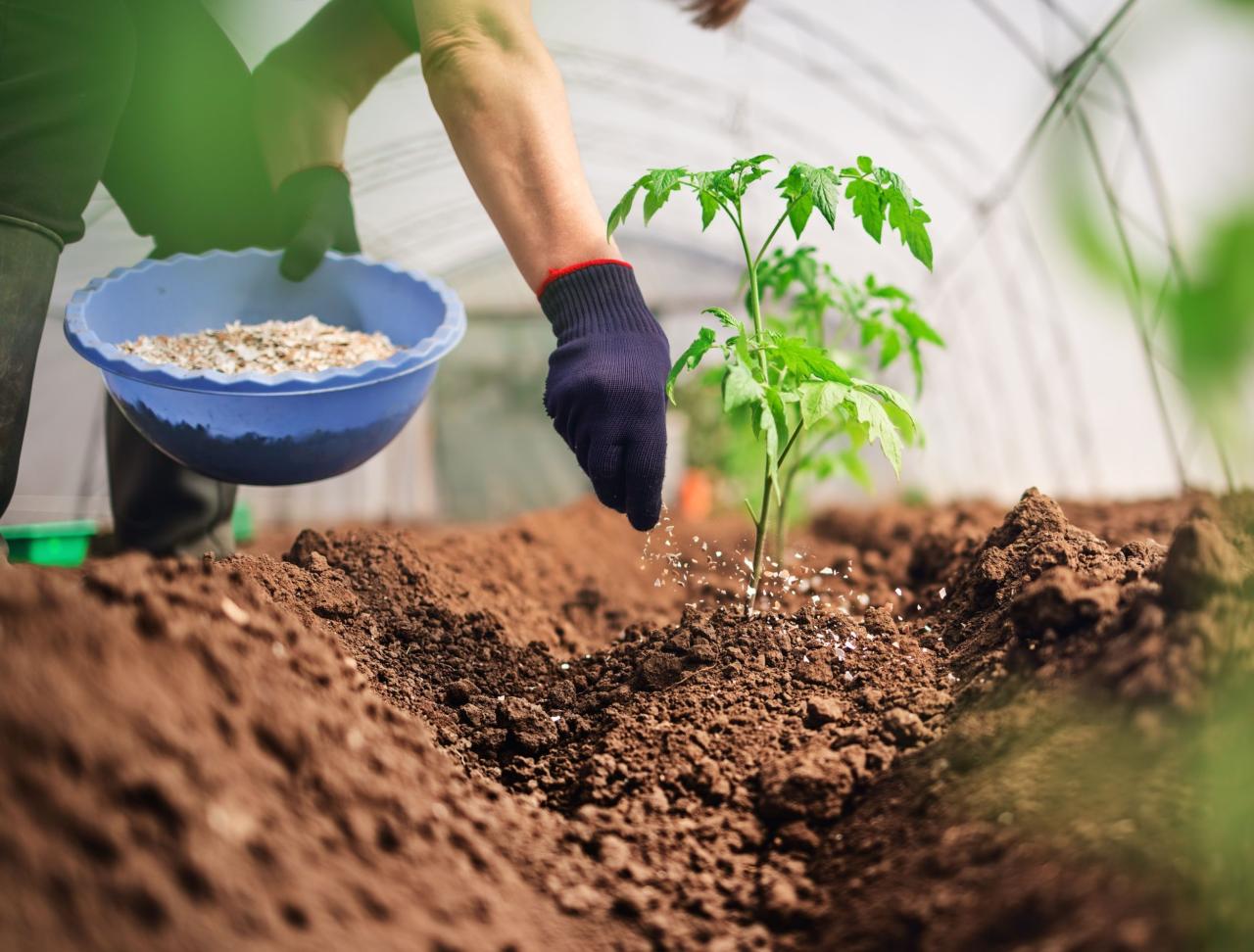
Aquarium plants, like terrestrial plants, require essential nutrients for healthy growth. Providing these nutrients through appropriate fertilizers is crucial for maintaining vibrant and thriving aquatic plant life. Different forms of fertilizers offer varying advantages in terms of application and nutrient delivery.Understanding the different types of fertilizers and their characteristics is key to optimizing plant health and ensuring a thriving aquarium environment.
This section will explore liquid, granular, and slow-release fertilizers, comparing their effectiveness and convenience. It will also highlight the specific nutrients each type provides, allowing you to select the most suitable option for your aquarium plants.
Liquid Fertilizers
Liquid fertilizers are a popular choice for their ease of use and precise nutrient delivery. They dissolve readily in the aquarium water, allowing for immediate uptake by the plants. The precise control over nutrient levels is beneficial for achieving specific plant growth requirements. Liquid formulations often contain a balanced mix of macro and micronutrients.
Granular Fertilizers
Granular fertilizers are a convenient option for providing a sustained release of nutrients. These fertilizers are typically formulated with slow-release compounds that gradually dissolve, releasing nutrients over a longer period. They are convenient for their extended release, requiring less frequent applications compared to liquid fertilizers. Their controlled release is ideal for ensuring consistent nutrient availability.
Slow-Release Fertilizers
Slow-release fertilizers provide a consistent supply of nutrients over an extended period. These fertilizers are often formulated with specialized coatings or materials that gradually release nutrients into the water column. This sustained release minimizes the need for frequent fertilizer additions, simplifying the maintenance schedule. This prolonged release of nutrients is particularly beneficial for plants with consistent growth patterns.
Comparison of Fertilizer Types
| Fertilizer Type | Effectiveness | Convenience | Nutrients Provided ||—|—|—|—|| Liquid | High, readily available | High, precise control | Macro and micronutrients, often balanced || Granular | Moderate, sustained release | Moderate, less frequent applications | Macro and micronutrients, often balanced || Slow-Release | High, sustained release | High, minimal maintenance | Macro and micronutrients, often balanced |
Selecting the Right Fertilizer
Choosing the right fertilizer depends on various factors, including the specific needs of your plants, the type of aquarium, and your desired maintenance level. Consider the growth rate and nutrient requirements of the plants in your aquarium. Plants with rapid growth may benefit from liquid fertilizers for immediate nutrient uptake, while slower-growing plants might be better suited for granular or slow-release fertilizers.For example, a beginner aquarist might prefer the convenience of slow-release fertilizers for their consistent nutrient delivery, while an experienced aquarist might opt for liquid fertilizers to precisely adjust nutrient levels.
Factors like water parameters, plant species, and desired growth rates should be considered when selecting the right fertilizer for your aquarium.
Nutrient Requirements for Aquarium Plants

Proper fertilization is crucial for the vibrant growth and health of aquarium plants. Understanding the essential nutrients and their roles in plant development allows aquarists to provide optimal conditions for thriving aquatic ecosystems. This section details the macro and micronutrients vital for aquarium plant health, and how to identify deficiencies in your plants.
Essential Macro and Micronutrients
Aquarium plants, like terrestrial plants, require a balanced intake of macro and micronutrients for optimal growth. Macro nutrients are needed in larger quantities, while micronutrients are required in smaller amounts, but are equally important for overall health. These nutrients play specific roles in various plant functions, from photosynthesis to structural development.
Roles of Essential Macro Nutrients
Nitrogen (N), phosphorus (P), and potassium (K) are the primary macronutrients, often referred to as the “N-P-K” trio. They are essential for robust growth, flowering, and overall plant health.
- Nitrogen (N): Crucial for leaf growth and chlorophyll production, supporting the plant’s ability to perform photosynthesis. A deficiency often manifests as light green or yellowing leaves, particularly on older leaves.
- Phosphorus (P): Vital for root development, flowering, and overall plant structure. Phosphorus deficiencies frequently lead to stunted growth, purple or reddish discoloration of leaves, and reduced flowering.
- Potassium (K): Important for overall plant vigor, including disease resistance, water regulation, and carbohydrate transport. Potassium deficiencies can result in weak stems, scorched leaf margins, and diminished growth.
Roles of Essential Micronutrients
Several micronutrients are also essential, though needed in smaller quantities. These include iron, magnesium, calcium, sulfur, manganese, zinc, boron, copper, and molybdenum. Each plays a critical role in specific plant processes.
- Iron (Fe): Essential for chlorophyll production, a lack of iron can cause interveinal chlorosis (yellowing between leaf veins). A common symptom is a yellowing between leaf veins.
- Magnesium (Mg): Critical for chlorophyll formation and enzyme function. Magnesium deficiency often results in yellowing of the leaves, which can spread throughout the entire leaf.
- Calcium (Ca): Important for cell wall development and structural integrity. Calcium deficiencies can lead to stunted growth and brittle leaves.
Identifying Nutrient Deficiencies
Recognizing nutrient deficiencies in aquarium plants allows for timely intervention and correction. Visual indicators, like discoloration, stunted growth, and malformed leaves, are often the first signs.
- Visual Assessment: A careful observation of the plant’s overall health, including leaf color, size, and growth patterns, is crucial. Comparing the appearance of healthy and potentially deficient plants within the same aquarium is helpful.
- Historical Data: Tracking the plant’s growth over time provides valuable insights into potential nutrient deficiencies. This data can be helpful in identifying patterns and trends.
Recommended Nutrient Levels for Aquarium Plants
The following table provides a general guideline for recommended nutrient levels for various aquarium plant species. Actual requirements may vary depending on species, growth rate, and aquarium conditions.
| Plant Species | Nitrate (ppm) | Phosphate (ppm) | Potassium (ppm) |
|---|---|---|---|
| Anubias | 10-20 | 0.5-1.0 | 5-10 |
| Java Fern | 10-20 | 0.5-1.0 | 5-10 |
| Amazon Sword | 20-30 | 1.0-1.5 | 10-15 |
Symptoms of Nutrient Deficiencies in Common Aquarium Plants
The following table illustrates common symptoms associated with nutrient deficiencies in various aquarium plant species. These symptoms are general guidelines and may vary based on specific plant types and aquarium conditions.
| Plant Species | Nutrient Deficiency | Symptom |
|---|---|---|
| Amazon Sword | Nitrogen | Light green or yellowing of older leaves, stunted growth |
| Java Fern | Phosphorus | Stunted growth, reddish discoloration of leaves, reduced flowering |
| Anubias | Potassium | Weak stems, scorched leaf margins, diminished growth |
Fertilization Techniques and Procedures
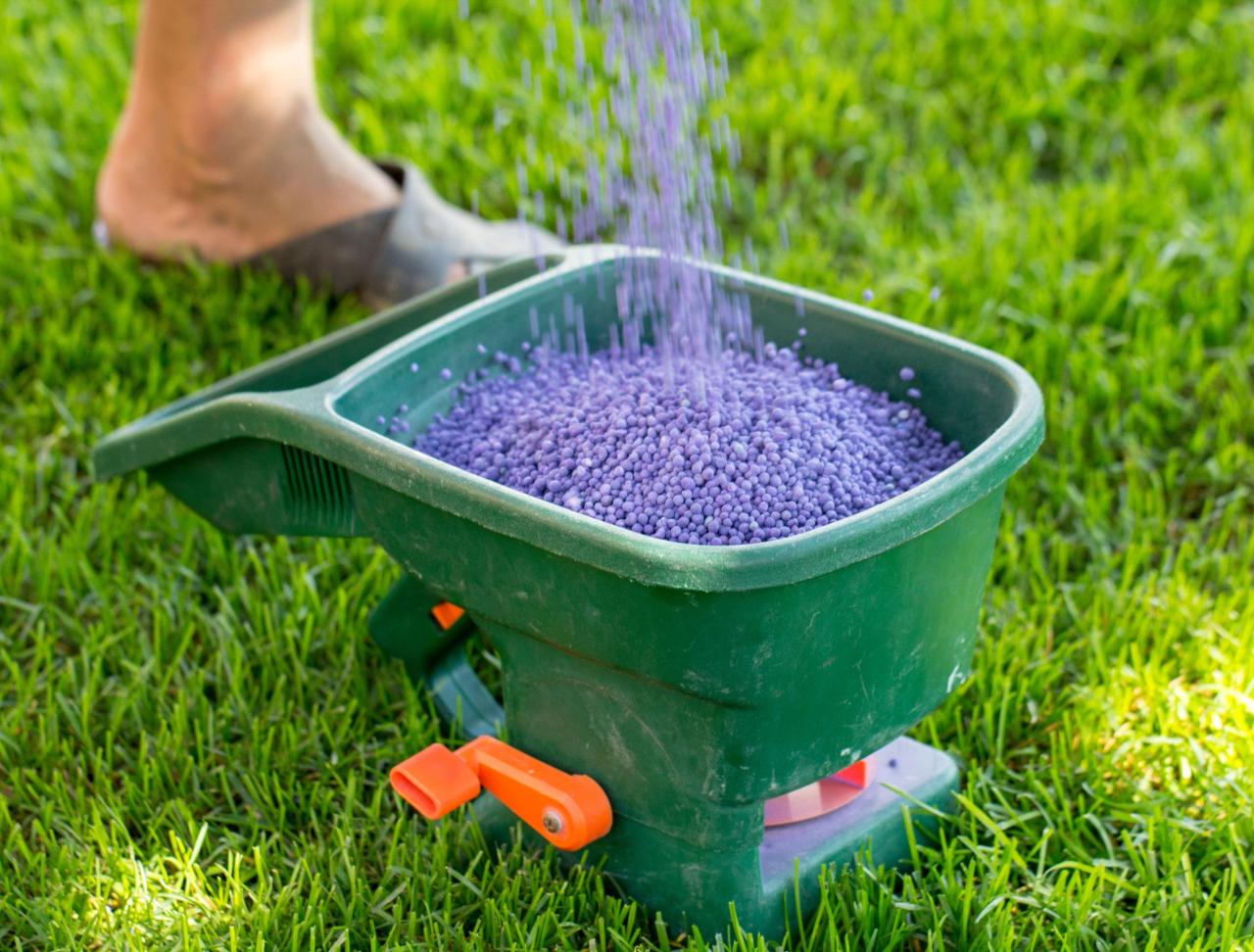
Proper fertilization is crucial for the health and vibrant growth of aquarium plants. It provides the essential nutrients that plants need to thrive, leading to a more visually appealing and balanced aquatic ecosystem. Understanding the various fertilization methods, optimal dosages, and frequencies is vital for achieving success in maintaining a thriving aquarium plant community.
Methods for Applying Aquarium Fertilizers
Various methods are available for applying aquarium fertilizers, each with its own advantages and considerations. Choosing the right method depends on the specific fertilizer type, the size of the aquarium, and the desired level of control.
- Liquid Fertilizers: These fertilizers are typically dissolved in water and directly added to the aquarium. They offer a convenient and precise method for nutrient delivery, allowing for easy adjustments to the dosage as needed. The solution is quickly distributed throughout the water column, making it an effective method for ensuring consistent nutrient levels.
- Powdered Fertilizers: Powdered fertilizers are another common choice. They are usually added to the water in a precise amount, ensuring a gradual release of nutrients. This approach is advantageous in maintaining consistent nutrient levels over a period of time, requiring less frequent applications.
- Tablet/Granular Fertilizers: These fertilizers are often placed directly in the substrate. They release nutrients slowly over time, reducing the need for frequent applications and providing a consistent nutrient source for the plants. This method is suitable for ensuring long-term nutrient availability, which can be crucial for slower-growing plant species.
- Substrate Fertilizers: These fertilizers are incorporated into the substrate and slowly release nutrients into the water column. This approach is beneficial for maintaining a stable nutrient supply, making it a reliable choice for long-term plant growth. This method is suitable for aquariums with well-established plant communities.
Importance of Proper Dosage and Frequency
The dosage and frequency of fertilizer application directly impact the health of aquarium plants. Over-fertilization can lead to algae blooms and nutrient imbalances, while under-fertilization can result in stunted growth and pale foliage. Carefully following the manufacturer’s recommendations and monitoring plant health is essential.
- Dosage: The correct dosage of fertilizer is crucial for preventing negative consequences like algae blooms. It’s essential to follow the instructions carefully and adjust the dosage based on the specific fertilizer and plant needs.
- Frequency: The frequency of fertilization should be tailored to the plant’s needs and the type of fertilizer used. Some fertilizers require daily or weekly applications, while others can be applied less frequently. Regular monitoring of plant growth and water parameters is vital to determine the ideal fertilization schedule.
Optimal Time of Day for Fertilizing
The optimal time for fertilizing aquarium plants is generally during periods of low light and minimal plant activity. This approach helps minimize the risk of nutrient waste and encourages absorption. Avoid fertilizing during peak daylight hours when plants are actively photosynthesizing.
The best time to fertilize is typically in the early morning or late evening, when the plants are less active and nutrient uptake is more efficient.
Step-by-Step Guide to Fertilizing Aquarium Plants
This guide Artikels the general procedure for fertilizing aquarium plants. Specific instructions might vary depending on the fertilizer type.
- Gather Necessary Supplies: Ensure you have the fertilizer, measuring tools (e.g., measuring cups or droppers), and a clean container for mixing.
- Measure the Fertilizer: Precisely measure the fertilizer according to the manufacturer’s instructions. Always use accurate measuring tools to avoid over- or under-fertilizing.
- Mix the Fertilizer: Mix the fertilizer in a separate container with dechlorinated water to create a homogeneous solution. This will ensure that the nutrients are evenly distributed.
- Add to the Aquarium: Slowly introduce the diluted fertilizer solution into the aquarium, ensuring it’s thoroughly mixed into the water column. Avoid introducing it directly to the roots or plants to prevent potential shock or damage.
- Observe and Adjust: Monitor the plants for any signs of nutrient deficiencies or excess. Adjust the fertilization schedule and dosage as needed based on plant growth and water parameters.
Measuring and Mixing Fertilizers
Precise measurement and mixing are critical for successful fertilization. Using appropriate measuring tools and following the manufacturer’s instructions is essential. Always use dechlorinated water for mixing to avoid introducing harmful chemicals to the aquarium.
- Measuring Tools: Use accurate measuring cups or droppers to measure fertilizers precisely. Avoid using household measuring tools that may not provide accurate results.
- Mixing Procedures: Mix the fertilizer with dechlorinated water in a separate container before adding it to the aquarium. Ensure complete mixing to distribute nutrients evenly.
Fertilization Schedules and Methods
This table provides examples of fertilization schedules and methods, along with their advantages and disadvantages.
| Fertilization Schedule | Method | Advantages | Disadvantages |
|---|---|---|---|
| Weekly (low-dose) | Liquid Fertilizer | Easy to adjust dosage, quick nutrient delivery | Requires regular monitoring and application |
| Monthly (high-dose) | Tablet Fertilizer | Long-term nutrient supply, less frequent application | Potential for nutrient buildup, less control over dosage |
| Bi-weekly (moderate-dose) | Substrate Fertilizer | Stable nutrient release, minimal maintenance | Initial setup may be more complex |
| Daily (low-dose) | Powdered Fertilizer | Consistent nutrient delivery, gradual release | Requires precise measurements, potential for dust |
Maintaining Fertilization Balance
Maintaining a balanced fertilization regime is crucial for healthy aquarium plant growth and overall tank ecosystem stability. Ignoring this aspect can lead to nutrient deficiencies, excessive algae growth, and even harm to your fish. A well-balanced approach ensures that your plants receive the necessary nutrients in the correct proportions, fostering robust growth and a thriving aquatic environment.A balanced fertilization schedule isn’t a one-size-fits-all approach.
The effectiveness of fertilizers is intrinsically linked to the water parameters of your aquarium. Variations in pH, hardness, and temperature can significantly impact nutrient uptake by the plants, necessitating adjustments to your fertilization strategy. Furthermore, plant growth rates and the frequency of water changes are key factors to consider when adapting your fertilization routine.
Impact of Water Parameters on Fertilizer Effectiveness
Water parameters, including pH, hardness, and temperature, play a significant role in how effectively fertilizers work in your aquarium. Different fertilizers are designed to function optimally within specific ranges of these parameters. For example, some fertilizers are more soluble at higher pH levels, while others perform better in harder water.
Monitoring Nutrient Levels
Regular monitoring of nutrient levels in the aquarium water is essential for adjusting fertilization strategies. Nutrient deficiencies or excesses can be easily detected using test kits specifically designed for measuring key nutrients like nitrates, phosphates, and potassium. These tests provide a quantifiable measure of the nutrient content in your aquarium water, allowing you to make informed decisions about fertilizer adjustments.
This proactive approach ensures that your plants receive the optimal nutrient support, minimizing the risk of imbalances.
Adjusting Fertilization Schedules
Plant growth rates and the frequency of water changes directly influence the need for adjustments in your fertilization schedule. Rapidly growing plants will require more frequent fertilization than slower-growing varieties. Likewise, regular water changes remove excess nutrients, necessitating a readjustment in the fertilizer dosage to maintain the desired nutrient levels. Closely monitoring plant growth and water changes allows for timely adjustments to ensure your plants receive consistent nutrient support.
Relationship Between Water Parameters and Fertilizer Effectiveness
| Water Parameter | Range | Fertilizer Effectiveness | Example Impact |
|---|---|---|---|
| pH | 6.5 – 7.5 | Most fertilizers perform optimally within this range. Lower or higher pH values can affect fertilizer solubility and uptake. | Fertilizers might become less soluble at pH values outside the optimal range, potentially reducing nutrient availability for plants. |
| Hardness (GH) | 6 – 12 dGH | Some fertilizers are formulated for specific hardness ranges. Adjustments might be necessary for differing water hardness levels. | High GH water might require higher doses of certain fertilizers for optimal plant growth. |
| Temperature | 22-28°C | Temperature variations can impact nutrient availability. Generally, warmer temperatures can increase nutrient uptake. | Lower temperatures can sometimes reduce the uptake of certain nutrients, requiring adjustments to the fertilization schedule. |
| Nutrient Levels (e.g., Nitrate, Phosphate) | Optimal levels (dependent on plant type) | Essential for plant growth. Monitoring levels is crucial for preventing deficiencies or excesses. | Maintaining optimal nutrient levels prevents issues like nutrient deficiencies or algae blooms, promoting healthy plant growth. |
Avoiding Over-Fertilization and Its Consequences
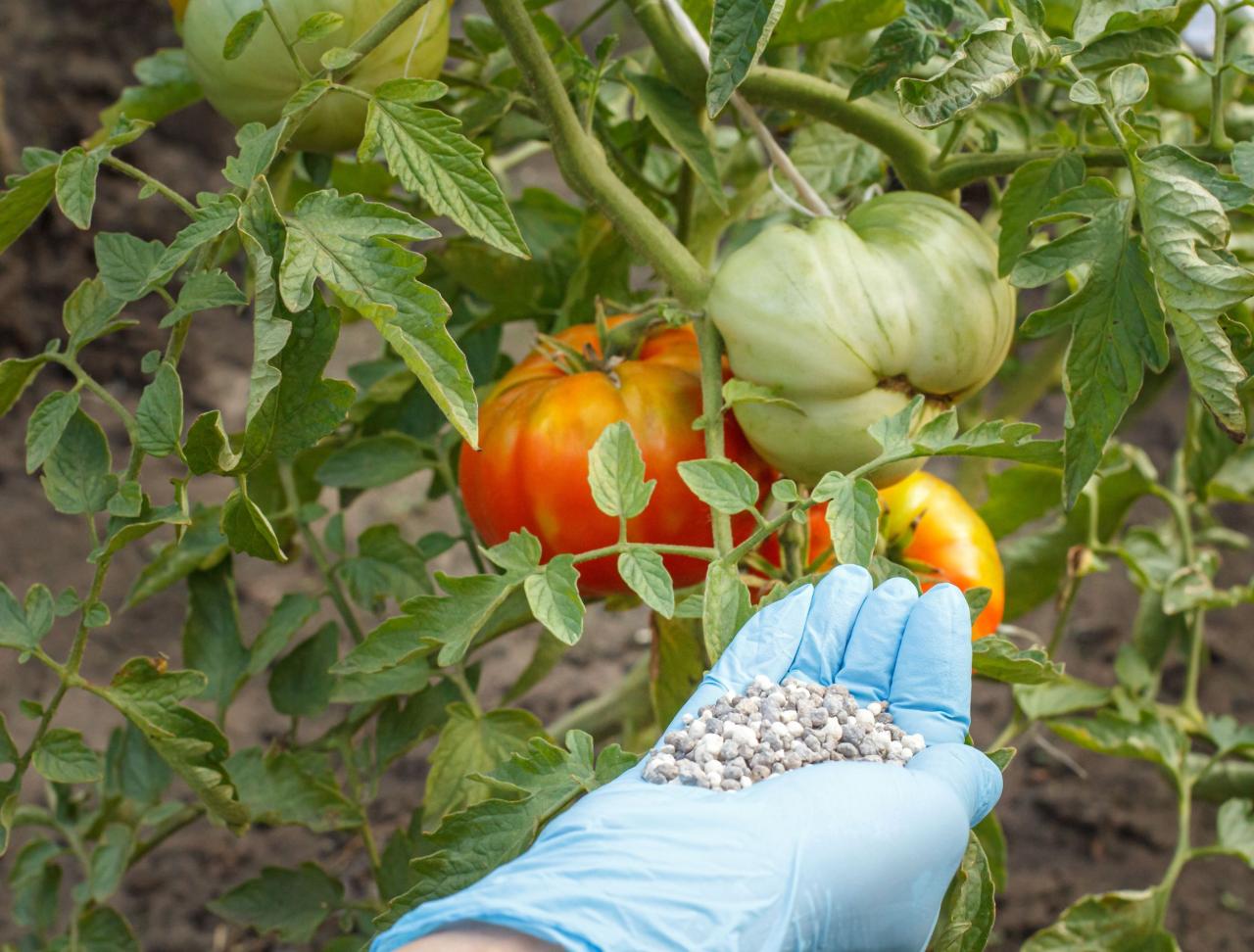
Over-fertilization, a common pitfall in aquarium plant care, can have detrimental effects on both plant health and the overall aquarium ecosystem. Understanding the signs, potential impacts, and preventive measures is crucial for maintaining a thriving and balanced aquatic environment. Careful monitoring and adjustments to fertilization routines are essential for optimal plant growth and water quality.
Signs of Over-Fertilization in Aquarium Plants
Over-fertilization can manifest in various ways, impacting the visual appeal and health of aquarium plants. These visual cues provide important insights into the nutrient levels in the water. Observe the plants closely for any abnormalities.
- Excessive growth, particularly rapid and uncharacteristic growth, can be a symptom of over-fertilization. This rapid growth might not always be desirable, as it could lead to crowding and potentially overshadowing other plant life.
- Yellowing or browning of leaves, particularly in older leaves, can be a warning sign. Nutrient imbalances or toxic buildup in the water column can lead to this discoloration. This is not always a direct consequence of excess nutrients, as other factors like deficiencies or disease could also be present. Careful observation and consideration of other factors are essential to diagnosis.
- Reduced leaf size or a stunted growth pattern is also an indicator of potential problems with nutrient levels. If plants are not receiving the correct balance of nutrients, their growth can be hindered.
- Altered leaf color, such as a darker or lighter shade than expected, can be another symptom. This could be a result of an excess or lack of specific nutrients in the water.
Negative Impacts on the Aquarium Ecosystem
Over-fertilization has far-reaching consequences beyond simply affecting the appearance of plants. It creates a cascade of issues that impact the entire aquarium environment.
- Algal blooms, often characterized by a rapid increase in algae growth, are a significant consequence of excess nutrients. The algae will compete with plants for light and resources, leading to a reduction in plant health and potentially a decline in overall water quality. An example of this is a green scum that appears on the surface of the water or along the sides of the tank.
- Elevated nutrient levels can lead to a decline in water quality, including increased ammonia and nitrite levels. These elevated levels are toxic to fish and other aquatic inhabitants, potentially causing stress, illness, or even death. Monitoring these water parameters is essential for the well-being of the aquarium community.
- A reduction in oxygen levels is another potential issue, potentially leading to fish stress and mortality. Excess nutrients can promote the growth of bacteria that consume oxygen in the water.
- The growth of unwanted microorganisms can be encouraged by excessive nutrient levels. This can negatively impact the overall stability and health of the aquarium environment.
Reducing or Preventing Over-Fertilization
Implementing appropriate strategies for nutrient management is essential for maintaining a healthy aquarium.
- Accurate dosage is key to preventing over-fertilization. Follow the manufacturer’s instructions carefully and adjust the dosage based on the specific needs of your aquarium and plants. Regular monitoring of nutrient levels in the water is recommended to maintain balance.
- Regular water changes help to remove excess nutrients and maintain a stable environment. Regular water changes can significantly reduce the buildup of unwanted nutrients.
- Careful selection of fertilizers and their application schedules is crucial for preventing over-fertilization. Using fertilizers designed for specific plant needs and implementing a well-structured fertilization schedule can be beneficial.
- Consider the plant density and growth rate when determining the fertilization needs. A higher plant density generally requires more nutrients.
How Excess Nutrients Affect Water Quality
Excess nutrients, particularly nitrates and phosphates, have a detrimental effect on water quality.
- Excess nutrients can lead to the rapid growth of algae, which consume oxygen and can create an undesirable aesthetic appearance.
- Increased bacterial activity can occur, depleting oxygen levels and potentially causing anaerobic conditions. This can be detrimental to the health of the aquarium ecosystem.
- Nitrate accumulation can be a result of over-fertilization. High nitrate levels can negatively impact the health and well-being of aquatic inhabitants. It’s crucial to monitor these levels.
- Phosphate accumulation can lead to similar issues as nitrate accumulation, including algae blooms and potential harm to the aquatic ecosystem.
Potential Algae Blooms
Improper fertilization practices can contribute to the formation of undesirable algae blooms.
- An overabundance of nutrients can lead to the explosive growth of algae, potentially smothering plants and creating a less aesthetically pleasing environment.
- Algal blooms can significantly affect water clarity, potentially reducing the visibility and aesthetics of the aquarium.
- The presence of algae can create unfavorable conditions for other aquatic inhabitants.
Troubleshooting Fertilization Issues

Maintaining the ideal nutrient balance in an aquarium is crucial for healthy plant growth. However, imbalances can arise, leading to various problems. Understanding these issues and their potential causes is key to restoring a thriving aquatic environment. This section provides a comprehensive guide to diagnosing and resolving common fertilization problems in your aquarium.
Common Fertilization Problems and Their Causes
Identifying the root cause of a problem is often the first step in effective troubleshooting. Common problems include stunted growth, discoloration, or the appearance of algae. These issues can stem from several factors, including improper fertilizer application, inadequate nutrient levels, or excessive fertilization. Careful observation and analysis are vital for pinpointing the precise cause.
Solutions for Troubleshooting Fertilization Problems
Addressing the specific cause is essential to restoring plant health. Solutions range from adjusting the fertilization schedule to addressing nutrient deficiencies or excesses. Understanding the root cause and applying the appropriate solution is critical to restoring a healthy balance.
Diagnosing Nutrient Deficiencies or Excesses
Diagnosing nutrient deficiencies or excesses involves a combination of visual observation and testing. Plants exhibiting signs of nutrient deficiency, such as yellowing leaves or stunted growth, often require specific nutrient supplementation. Conversely, excessive fertilization can lead to algae blooms or other undesirable effects. Careful monitoring and accurate testing are essential to maintaining optimal nutrient levels.
Table of Common Aquarium Plant Fertilization Problems
| Problem | Possible Causes | Solutions | Diagnostic Considerations |
|---|---|---|---|
| Stunted Growth | Insufficient nitrogen, phosphorus, or potassium; incorrect fertilizer type; insufficient light; overcrowding; poor water quality; pH issues | Adjust fertilization schedule to provide balanced nutrients; use a fertilizer appropriate for the plant species; ensure adequate lighting; adjust stocking density; improve water parameters; check pH levels | Observe growth patterns; compare growth with other plants; test water parameters for nutrients; evaluate lighting; check for signs of other issues. |
| Yellowing Leaves | Nutrient deficiencies (especially nitrogen, magnesium, or iron); pH imbalances; root rot; insufficient light; water quality issues | Supplement with fertilizers containing the missing nutrients; adjust pH levels; address root rot by improving water quality; increase light intensity; improve water quality; monitor water parameters for nutrients. | Observe which leaves are yellowing; test water parameters for nutrients; evaluate lighting; check for signs of root rot. |
| Algae Blooms | Excess nutrients (especially nitrates or phosphates); inadequate water changes; insufficient CO2; poor water quality; light intensity too high | Reduce fertilizer application; increase water changes; ensure adequate CO2 levels; improve water quality; adjust light intensity; check for nutrient imbalances; adjust fertilizer schedule to prevent excess. | Observe the type of algae; test water parameters for nutrients; evaluate CO2 levels; assess water changes; check light intensity. |
| Leaf Browning or Scorching | Improper fertilizer application (e.g., concentrated fertilizer on leaves); pH issues; water temperature fluctuations; shock from water changes; chemical contamination in water | Dilute fertilizer; adjust pH; maintain consistent water temperature; perform gradual water changes; perform water tests to ensure water quality; adjust fertilization schedule to prevent sudden changes. | Identify the location of browning or scorching; test water parameters; evaluate water changes; observe water temperature stability. |
Advanced Fertilization Strategies
Optimizing aquarium plant growth requires a nuanced approach beyond basic fertilization. Advanced strategies, such as CO2 injection and specialized lighting, can significantly enhance plant health and visual appeal. These techniques synergize with appropriate fertilization methods to create a thriving aquatic ecosystem.A holistic understanding of the interactions between CO2, light, and nutrients is crucial for achieving optimal plant growth. By manipulating these variables, aquarists can fine-tune the environment to promote robust and vibrant plant development.
CO2 Injection Systems and Their Effects
CO2 injection is a cornerstone of advanced aquarium plant fertilization. Carbon dioxide is essential for photosynthesis, the process by which plants convert light energy into chemical energy. Adequate CO2 levels allow plants to absorb nutrients more efficiently and support faster growth rates.Different CO2 injection systems vary in complexity and efficiency. Systems range from simple DIY setups using pressurized CO2 tanks and diffusion systems to more sophisticated, automated systems with precise control over CO2 delivery.
The choice of system depends on the size of the aquarium, the desired level of control, and the aquarist’s technical expertise.
- Diffusion Systems: These systems typically use a CO2 diffuser to release CO2 into the water column. Diffusion systems are relatively easy to implement and are often sufficient for smaller aquariums. However, they may not provide as consistent CO2 levels as more sophisticated systems.
- Automated Systems: These systems often incorporate CO2 regulators, solenoid valves, and automated controllers to maintain precise CO2 levels. Automated systems are ideal for larger aquariums and more demanding plant species. They provide consistent CO2 supply, improving plant growth and reducing the risk of CO2 fluctuations.
Advanced Lighting Setups and Nutrient Uptake
Proper lighting is crucial for plant growth, and advanced lighting setups can significantly enhance the efficiency of nutrient uptake. Light intensity, spectrum, and duration all play a role in plant health. High-intensity, full-spectrum lighting provides the energy needed for photosynthesis, and ensures adequate nutrient absorption.The relationship between light and nutrient uptake is complex. Sufficient light allows plants to utilize absorbed nutrients more effectively, accelerating growth and development.
A proper balance of light and nutrients is essential to prevent deficiencies or excesses, promoting overall plant health.
- LED Lighting: LED lighting offers a significant advantage over traditional fluorescent lighting due to its energy efficiency and tunable spectral output. Adjusting the spectrum of LED lights allows aquarists to precisely target the wavelengths most beneficial for specific plant species, maximizing growth potential.
- Light Schedules: A regular light schedule, including periods of darkness, is crucial for proper plant development. Consistent light cycles mimic natural daylight patterns and regulate the plant’s internal clock, supporting healthy growth and flowering.
Maximizing Plant Health Through Specialized Fertilization Methods
Specialized fertilization methods, coupled with CO2 injection and advanced lighting, provide a more comprehensive approach to aquarium plant care. These methods address specific nutrient needs and enhance overall plant health. They also minimize the risk of nutrient deficiencies or imbalances, which can hinder plant growth and visual appeal.These techniques involve the use of specialized fertilizers and dosing schedules, tailored to the specific needs of the plants in the aquarium.
Careful monitoring and adjustments are essential to maintain the optimal balance of nutrients and support the growth and development of the plants.
Final Wrap-Up
In conclusion, maintaining a thriving aquarium plant environment hinges on a balanced fertilization strategy. This guide has provided a thorough overview of the process, encompassing various fertilizer types, nutrient needs, and practical techniques. By understanding the factors influencing plant health and applying the knowledge presented here, you can cultivate a flourishing aquatic garden that enhances the beauty and well-being of your aquarium.
Remember, consistency and attention to detail are key to achieving optimal results.