Maintaining a healthy aquarium environment requires responsible water management. This guide provides a thorough overview of how to dispose of aquarium water safely and effectively, minimizing environmental impact and adhering to best practices. Understanding the importance of proper disposal procedures is crucial for the well-being of your aquatic pets and the surrounding ecosystem.
From understanding the rationale behind changing aquarium water to exploring alternative disposal methods, this guide delves into various aspects of responsible aquarium water management. We will also examine the potential consequences of improper disposal, highlighting the environmental impact of neglecting these crucial steps.
Understanding Aquarium Water Disposal
Maintaining a healthy aquarium environment requires regular water changes. These changes are crucial for the well-being of aquatic life and the overall health of the system. Proper disposal of this water is vital, not only for the environment but also for preventing potential harm to aquatic life and the surrounding ecosystem.
Importance of Changing Aquarium Water
Regular water changes are essential to maintain a stable and healthy environment for aquarium inhabitants. Accumulation of waste products, such as ammonia, nitrite, and nitrate, can quickly become toxic to fish and other aquatic organisms. These waste products, if left unchecked, can lead to diseases, stress, and ultimately, death of the fish. Furthermore, water changes help to replenish essential minerals and trace elements that are gradually depleted during the aquarium’s operation.
This consistent replenishment of these essential components contributes to the long-term health and vitality of the aquatic ecosystem.
Reasons for Aquarium Water Disposal
Aquarium water disposal is necessary for various reasons, including:
- Waste Removal: Accumulation of fish waste, uneaten food, and decaying plant matter leads to a build-up of harmful toxins. Removing this water is vital to maintain a safe and healthy environment.
- Water Quality Maintenance: Aquarium water quality deteriorates over time due to the biological processes occurring within the tank. Regular water changes are crucial to maintain the appropriate levels of dissolved oxygen, pH, and other essential parameters.
- Preventing Diseases: High levels of toxins and pathogens in the aquarium water can lead to diseases in fish and other inhabitants. Water changes help to mitigate this risk by removing harmful substances and promoting a healthier environment.
- Nutrient Control: Excess nutrients, such as nitrates and phosphates, can stimulate excessive algae growth, leading to an imbalance in the aquarium ecosystem. Regular water changes help to control these nutrient levels.
Potential Consequences of Improper Aquarium Water Disposal
Improper disposal of aquarium water can have several detrimental consequences. Uncontrolled release of waste products into the environment can lead to significant ecological damage. Improperly disposed of aquarium water can pollute water sources, harming native aquatic life and potentially impacting human health. The presence of ammonia, nitrite, and other toxins in the environment can cause severe stress and disease in native fish and other aquatic organisms.
The disruption of the delicate balance of aquatic ecosystems can have far-reaching consequences. Furthermore, the presence of excess nutrients, like nitrates and phosphates, can cause eutrophication in receiving water bodies, leading to algal blooms and oxygen depletion.
Environmental Impact of Improper Aquarium Water Disposal
The environmental impact of improperly disposing of aquarium water is significant and can have long-lasting consequences. The introduction of ammonia, nitrite, and nitrate into natural water bodies can severely impact the health of native aquatic organisms. For instance, these substances can cause oxygen depletion, impacting fish populations and other aquatic life. Moreover, excess nutrients in the water can lead to harmful algal blooms, creating oxygen-deprived zones and negatively affecting water quality.
This, in turn, can impact the entire aquatic ecosystem, from microscopic organisms to large fish. Furthermore, the release of chemicals and medications used in aquariums can contaminate natural water sources, posing a risk to both aquatic life and human health.
Comparison of Aquarium Water Disposal Methods
The following table compares various methods of aquarium water disposal, highlighting their environmental impact and practicality.
| Disposal Method | Environmental Impact | Practicality |
|---|---|---|
| Direct Disposal into Sewer System | Potentially high, depending on local regulations. May introduce harmful substances into the wastewater treatment system. | Generally convenient, but may not be permitted everywhere. |
| Disposal into a Dedicated Aquarium Water Recycling System | Low, as the system can filter and treat the water to remove harmful substances before release. | Requires investment in equipment and ongoing maintenance. |
| Disposal into a Gravel Bed Filter | Low, as the filter can help remove some pollutants. | Requires setup and ongoing maintenance, may not be suitable for large volumes of water. |
| Disposal into a Planted Aquatic Garden | Low, as plants can absorb some pollutants and nutrients. | Requires suitable plants and appropriate setup. |
Avoiding Harmful Practices
Proper aquarium water disposal is crucial not only for the health of aquatic ecosystems but also for the well-being of our environment. Neglecting proper procedures can lead to detrimental consequences, affecting local water sources and potentially harming various species. This section will delve into the harmful effects of improper disposal, common mistakes, and the importance of environmentally conscious practices.Harmful effects of improper aquarium water disposal extend far beyond the immediate vicinity of the aquarium.
Direct dumping of aquarium water into natural water bodies introduces potentially harmful substances into the ecosystem. These substances can disrupt the delicate balance of the local environment, impacting both aquatic life and the overall health of the ecosystem. The consequences can range from minor disruptions to severe ecological damage.
Harmful Effects of Direct Discharge
The water from an aquarium contains a complex mixture of organic compounds, minerals, and potentially harmful substances, including medications, chemicals, and uneaten food. These substances can upset the delicate balance of natural ecosystems. In particular, introducing excessive amounts of nutrients like nitrates and phosphates can lead to algal blooms, depleting oxygen in the water and harming aquatic life.
Additionally, aquarium water may contain traces of medications or chemicals used to maintain the aquarium, which could be toxic to certain species.
Common Mistakes in Disposal
Several common mistakes contribute to the negative impacts of improper aquarium water disposal. These often stem from a lack of understanding about the potential harm or simply a lack of awareness about proper disposal procedures. Improper disposal methods can unintentionally contaminate water sources. Some common mistakes include directly pouring aquarium water down drains, into storm drains, or directly into natural water bodies.
These actions introduce unwanted substances into the local water system.
Importance of Avoiding Contamination
Protecting local water sources is vital for the health of the environment and the well-being of aquatic species. Contamination from aquarium water can disrupt the delicate balance of natural ecosystems. The introduction of foreign substances, including excess nutrients and potentially harmful chemicals, can lead to significant ecological consequences, impacting the biodiversity and overall health of the ecosystem.
Safe and Unsafe Disposal Practices
Proper aquarium water disposal is critical for maintaining a healthy environment. It is important to understand the difference between safe and unsafe practices.
| Safe Disposal Practices | Unsafe Disposal Practices |
|---|---|
| Pouring aquarium water into a dedicated aquarium water disposal system or a designated collection tank. | Pouring aquarium water directly down the drain or into storm drains. |
| Using a specialized filter to remove excess nutrients before releasing water. | Pouring aquarium water directly into a lake, river, or other natural water body. |
| Following local regulations regarding aquarium water disposal. | Ignoring local regulations and guidelines for water disposal. |
| Educating oneself on responsible aquarium water disposal. | Failing to understand the harmful effects of improper disposal. |
Proper Disposal Procedures
Responsible aquarium water disposal is crucial for environmental protection and compliance with local regulations. Improper disposal can lead to the introduction of unwanted aquatic species, nutrient imbalances, and potential harm to local ecosystems. Understanding the specific procedures for your area is paramount to maintaining a healthy environment.
Local Regulations and Ordinances
Local governments often have regulations regarding the disposal of aquarium water. These regulations address the potential environmental impact of introducing non-native species, pollutants, and excess nutrients into the local water systems. It is essential to research and understand these regulations to ensure compliance. Failure to adhere to local ordinances can result in fines or legal repercussions.
Disposal Procedures for Different Regions
Different regions may have specific guidelines for aquarium water disposal. For example, some municipalities might offer designated drop-off locations for aquarium water, while others may require the water to be treated before release. Consult your local waste management office or environmental protection agency for specific guidelines in your area. For areas without specific disposal procedures, responsible release into a natural water body with appropriate dilution is an option.
This option must consider the absence of potentially harmful substances.
Handling Chemicals in Aquarium Water
Aquarium water may contain various chemicals, including medications, supplements, and water conditioners. It is important to follow the manufacturer’s instructions for proper disposal of these chemicals. Many of these chemicals, if not disposed of correctly, can harm the environment. Some chemicals require specific treatment methods, such as neutralization or chemical precipitation. If unsure, consult with a local hazardous waste disposal facility or a local aquarium shop for guidance.
Disposal Procedures for Various Aquarium Water Types
| Water Type | Disposal Procedure |
|---|---|
| Freshwater | Generally, freshwater aquarium water can be released into the drain after appropriate dilution. Ensure there are no chemicals, medications, or supplements that could harm the environment. |
| Saltwater | Saltwater aquarium water requires more careful consideration. The high salt concentration can impact local ecosystems. It is crucial to dilute the water significantly before release into the environment or utilize a specialized disposal procedure provided by a local facility. Consider contacting local aquariums or aquatic experts for guidance on dilution ratios and methods. |
| Medicated Water | Medicated water should never be released directly into a drain or natural water body. Always follow the manufacturer’s instructions for disposal. Contact your local waste management facility for guidelines on handling medications. |
Wastewater Treatment Options
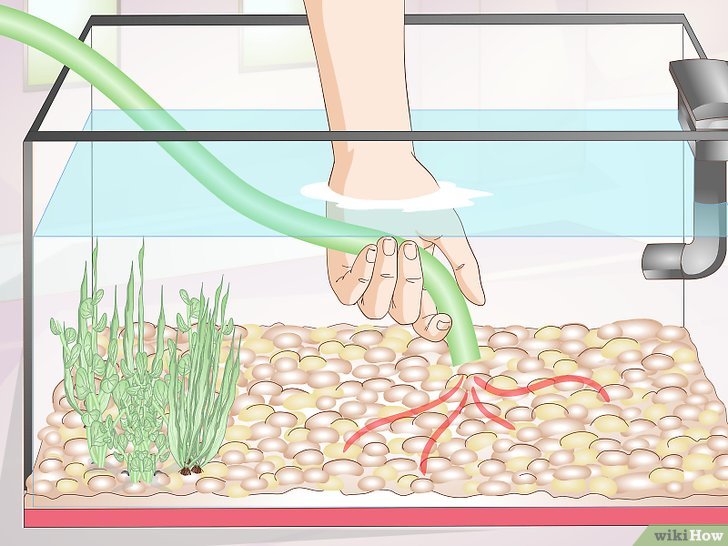
Properly disposing of aquarium water is crucial for environmental protection. Failing to treat this wastewater can introduce excess nutrients and potentially harmful substances into the ecosystem. Effective wastewater treatment options are vital to mitigate these risks. Understanding these options allows responsible aquarium owners to contribute to a healthier environment.
Various Wastewater Treatment Options
Several methods are available for treating aquarium wastewater. These methods vary in complexity, cost, and effectiveness. A thoughtful selection depends on the specific needs and resources of the aquarium owner.
- Biological Filtration: Biological filtration utilizes beneficial bacteria to break down organic waste products in the water. This process is a fundamental component of many aquarium systems, and its application extends to wastewater treatment. It converts harmful ammonia and nitrite into less harmful nitrate, making the water suitable for release into the environment. The effectiveness of biological filtration hinges on maintaining optimal conditions for bacterial growth, such as proper aeration and a consistent nutrient supply.
- Chemical Treatment: Chemical treatment methods employ specific chemicals to remove or neutralize harmful substances. These methods may include the use of chemical flocculants to precipitate suspended solids or the addition of specific compounds to remove heavy metals. Care must be taken when using chemical treatments to ensure they do not introduce additional pollutants or harm aquatic life. The choice of chemical treatment must be carefully evaluated based on the specific composition of the wastewater and the potential impact on the environment.
- Physical Treatment: Physical treatment methods focus on separating solid particles from the water. This may involve filtration using various media, sedimentation tanks to allow heavier particles to settle out, or centrifugation to separate suspended solids. This process helps to reduce turbidity and improve water clarity, preparing it for further treatment or disposal. Physical treatment is often a preliminary step in a multi-stage wastewater treatment process.
Role of Biological Filtration in Aquarium Water Disposal
Biological filtration plays a pivotal role in aquarium water disposal by converting harmful ammonia and nitrite into less toxic nitrate. This process, facilitated by beneficial bacteria, significantly reduces the environmental impact of aquarium waste. The proper maintenance of a biological filtration system is essential for its effectiveness in aquarium water treatment.
Importance of Properly Treating Aquarium Water Before Disposal
Treating aquarium water before disposal is critical to prevent the introduction of excess nutrients and potentially harmful substances into the environment. Untreated aquarium water can lead to algal blooms in natural water bodies, negatively impacting aquatic life and water quality. Proper treatment minimizes these risks and promotes responsible aquarium ownership.
Utilizing a Wastewater Treatment System
Utilizing a wastewater treatment system for aquarium water involves several key steps. First, ensure the system is compatible with the specific type of wastewater being treated. Second, carefully monitor the system’s performance to ensure optimal treatment and minimize potential risks. Regular maintenance and monitoring are critical to maintaining the system’s efficiency and preventing potential contamination issues.
Summary Table of Wastewater Treatment Methods
| Treatment Method | Pros | Cons |
|---|---|---|
| Biological Filtration | Cost-effective, environmentally friendly, removes harmful compounds. | Requires maintenance, can be slow, effectiveness depends on bacterial growth. |
| Chemical Treatment | Can effectively remove specific pollutants, rapid results. | Potential for introducing new pollutants, may require specialized equipment. |
| Physical Treatment | Relatively simple, removes suspended solids, cost-effective. | May not completely remove all contaminants, requires additional treatment steps. |
Alternatives to Traditional Disposal
![How To Dispose Of Aquarium Water? [101 Guide For Beginners] - Aqualife](https://yuma.web.id/wp-content/uploads/2025/09/fLZiKYg3DoF5J6VOqP1p2LKsUlXGK67j6DLwVqpeZzhqlbn1ph-fzsTDq0JnQMDN30oVkkCBKa89XTDPMeVq6eTCOqB1ss9rvsMv-cA7wHHMfIPj-jqz-cEASr-UC_i3iyrmMLzUdI8hwPrf7ezPoc15EpgdiNE-cwEhiOkWr-9y4cc2dTFJwYlTKQ.png "How To Dispose Of Aquarium Water? [101 Guide For Beginners] - Aqualife")
Beyond traditional methods of aquarium water disposal, various alternative approaches offer environmentally conscious and resourceful solutions for managing aquarium waste. These methods not only minimize environmental impact but also often promote resource recovery, enhancing sustainability in aquarium hobby practices. Implementing these alternatives can significantly reduce the burden on wastewater systems and contribute to a more responsible aquarium care ethic.
Alternative Water Management Strategies
Several alternative approaches to managing aquarium water waste are available, each with its own set of benefits and considerations. These strategies can be categorized based on the level of resource recovery and environmental impact reduction.
- Aquaponics Integration: Integrating aquaponics systems offers a symbiotic relationship between fish and plants. Fish waste is converted into nutrient-rich fertilizer for plants, while the plants filter the water, creating a closed-loop system. This method minimizes water waste and provides a sustainable source of food. For example, aquaponic systems are increasingly popular in urban environments, offering a sustainable way to cultivate fresh produce.
- Reuse and Recycling: Effectively reusing or recycling aquarium water involves careful filtration and preparation. By removing solid waste and using appropriate filtration methods, the water can be reused for various purposes, such as topping off other aquariums or watering plants. This practice conserves water resources and reduces the overall water footprint associated with aquarium maintenance. For example, many aquarists use a combination of mechanical and biological filtration to achieve reusable water suitable for topping off other aquariums.
- Biofiltration and Nutrient Removal: Employing advanced biofiltration techniques can effectively remove excess nutrients and waste products from aquarium water. This process enhances water quality, making it reusable for specific purposes, like supplementing the water in a different aquarium, reducing the volume of wastewater to be treated, or promoting the growth of beneficial plants in a garden. For example, specialized filtration media and beneficial bacteria are often employed to optimize biofiltration, thereby reducing nutrient discharge into the environment.
- Wastewater Treatment Systems: Installing a small-scale wastewater treatment system for aquarium water can treat and recycle the water for reuse. These systems can be tailored to the specific needs of the aquarium and can include methods like anaerobic digestion or activated sludge systems, depending on the scale of the system and the desired level of treatment. This approach offers a sophisticated and tailored solution for recycling aquarium water and reducing wastewater discharge.
Comparison of Alternative Methods
The effectiveness of each alternative method for managing aquarium water waste can vary depending on the specific aquarium setup, water volume, and the desired level of water quality. A table summarizing different alternative strategies can provide a comparative overview.
| Alternative Method | Description | Benefits | Considerations |
|---|---|---|---|
| Aquaponics | Combines fish farming with hydroponic gardening. | Reduces water waste, produces food, closed-loop system. | Requires careful balancing of fish and plant populations, specialized equipment. |
| Reuse/Recycling | Reusing treated aquarium water for topping off or other purposes. | Conserves water, reduces waste. | Requires thorough filtration, careful monitoring of water quality. |
| Biofiltration | Employing advanced filtration methods to remove nutrients. | Improves water quality, reduces nutrient discharge. | May require specialized media or equipment, regular maintenance. |
| Wastewater Treatment | Using small-scale treatment systems for aquarium water. | Highly effective water recycling, tailored solutions. | Higher initial investment, requires specific expertise. |
Emergency Situations and Accidental Spills
Accidental aquarium water spills, while often minor, can pose potential risks to both the environment and your household. Understanding how to react promptly and effectively in such situations is crucial. Proper cleanup procedures minimize the impact and prevent further complications.
Appropriate Response to Accidental Spills
A swift and appropriate response to an aquarium water spill is paramount. This involves recognizing the type and extent of the spill and immediately implementing the correct cleanup protocols. Failure to act promptly can exacerbate the situation, leading to property damage or environmental harm. Immediate action is vital.
Procedures for Dealing with Emergency Situations
Emergency situations involving aquarium water necessitate a structured approach. This includes assessing the damage, containing the spill, and safely removing the affected water. By following specific procedures, the impact of the spill can be significantly mitigated. This includes prioritizing safety and employing suitable cleanup methods.
Mitigating Environmental Impact of Accidental Spills
Mitigating the environmental impact of accidental aquarium water spills hinges on minimizing the release of harmful substances into the surrounding environment. This often involves containing the spill and employing methods to neutralize any potentially problematic substances present in the water. Using appropriate cleanup materials and procedures ensures a safe and responsible response.
Step-by-Step Guide for Cleaning Up Aquarium Water Spills
A systematic approach to cleaning up aquarium water spills ensures efficiency and reduces the risk of spreading contamination. Follow these steps:
- Assess the Situation: Evaluate the extent of the spill, identifying affected areas and potential hazards.
- Contain the Spill: Use absorbent materials like paper towels, cloths, or specialized spill kits to contain the water and prevent further spread. Contain the affected area.
- Neutralize Potential Contaminants: If the aquarium water contains chemicals, follow appropriate safety procedures to neutralize them before disposal.
- Proper Disposal of Water: Dispose of the contaminated water according to local regulations and guidelines. Consult your local authorities for appropriate disposal methods.
- Clean Up Affected Areas: Thoroughly clean all surfaces affected by the spill, ensuring the complete removal of any residue. Use appropriate cleaning solutions as needed.
- Check for Damage: Inspect the affected areas for any damage to equipment or surfaces.
Emergency Procedures for Different Spill Types
This table Artikels general emergency procedures for various types of aquarium water spills.
| Spill Type | Initial Actions | Additional Procedures |
|---|---|---|
| Small, contained spill (e.g., on a countertop) | Contain the spill with absorbent materials. | Wipe up excess water, clean the affected area. |
| Larger spill (e.g., on a floor) | Contain the spill with absorbent materials. | Use a shop vacuum or other appropriate equipment for larger spills. |
| Spill involving potentially hazardous chemicals | Evacuate the area if necessary. | Contact local authorities for specific instructions on handling hazardous materials. |
Illustrative Examples of Safe Practices
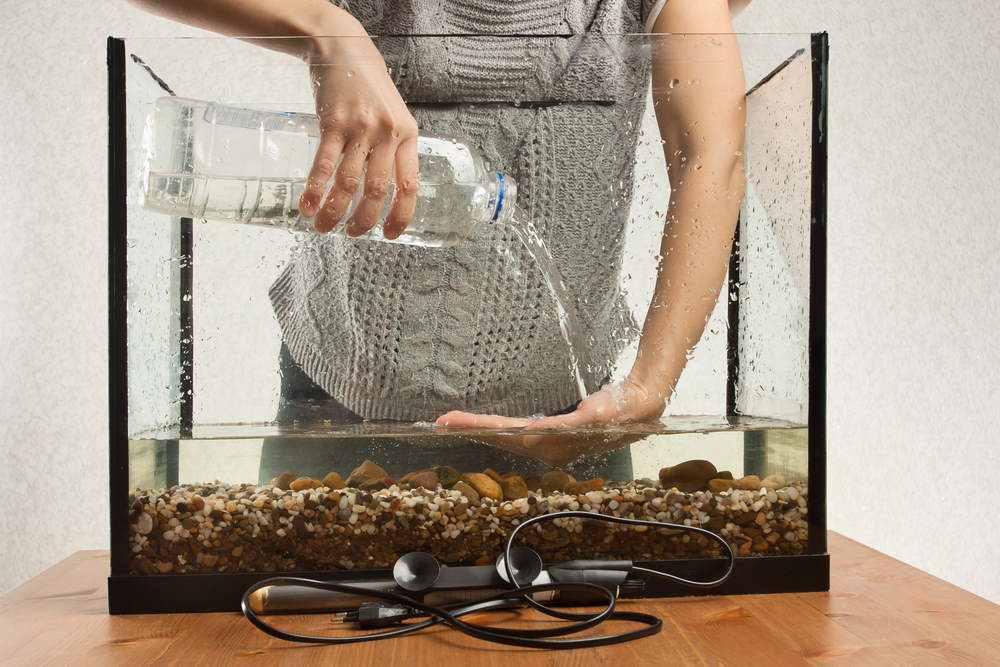
Proper aquarium water disposal is crucial for environmental protection and responsible pet ownership. Safe practices minimize harm to aquatic ecosystems and prevent the spread of harmful substances. Understanding the correct procedures, including choosing the right disposal method and handling potential issues, is essential.Proper disposal methods safeguard local waterways from contamination. Inappropriate disposal practices can introduce pollutants into the environment, disrupting delicate ecological balances.
Safe Disposal Scenario: Weekly Water Change
A responsible aquarium owner, Emily, performs a weekly water change on her 55-gallon tank. She carefully siphons off the used water into a designated, labeled container. This container is specifically designed for aquarium water disposal and is kept separate from other waste. The water is then transported to a municipal wastewater treatment facility, where specialized filters and biological processes remove harmful substances before releasing the water back into the environment.
This method ensures that the water is treated appropriately, preventing contamination of local waterways. 

Risks of Improper Disposal: Leaking Tank
Unfortunately, a careless homeowner, David, has a leaky aquarium tank. Instead of properly collecting the leaking water and taking it to a designated facility, David simply pours the leaking water down the drain. This is a serious error as untreated aquarium water can contain nitrates, phosphates, and other substances that can contribute to algae blooms in waterways. This can disrupt the balance of the local ecosystem and harm aquatic life.
This improper disposal poses a risk to the environment and the health of the local ecosystem. 
Safe Disposal Method: Emergency Water Overflow
During a heavy rain, an aquarium owner, Mark, experiences an emergency water overflow from his 75-gallon aquarium. To prevent contamination of the home and the surrounding environment, he immediately collects the overflow water in a large, clean bucket. This bucket is labelled clearly to indicate the contents, distinguishing it from other household waste. The collected water is then transported to the designated municipal wastewater treatment facility for proper processing and disposal.

Alternative Disposal Method: Bio-filtration System
For a smaller aquarium setup, a home owner, Sarah, could opt for a bio-filtration system for her 10-gallon tank. This system uses biological processes to remove harmful substances from the water. The treated water is then safely released into the home’s drainage system, or, for greater environmental responsibility, poured into a potted plant. This alternative method provides a localized solution for smaller tanks.

Epilogue
In conclusion, responsible aquarium water disposal involves a multifaceted approach encompassing safe methods, avoidance of harmful practices, and adherence to proper procedures. Understanding local regulations, utilizing wastewater treatment options, and exploring alternatives to traditional disposal are key elements of this process. By following the guidelines presented, you can effectively manage your aquarium water waste while minimizing your environmental footprint.
This comprehensive guide equips you with the knowledge to maintain a thriving aquatic environment and contribute to a healthier ecosystem.