Guppies, with their vibrant colors and playful nature, are a popular choice for hobbyists seeking to embark on the rewarding journey of fish breeding. This guide provides a comprehensive overview of the entire process, from setting up the ideal environment to handling the post-breeding care of the offspring. We’ll explore everything you need to know to successfully breed your own guppies, including essential techniques and common pitfalls to avoid.
This in-depth guide will equip you with the knowledge and tools necessary to create a thriving guppy breeding community. From understanding the nuances of guppy reproduction to addressing potential challenges, this guide will support you every step of the way.
Introduction to Guppy Breeding
Guppies, scientifically known asPoecilia reticulata*, are popular freshwater aquarium fish renowned for their vibrant colors and relatively easy care. Their adaptability and prolific breeding habits make them an excellent choice for both novice and experienced aquarists interested in fish reproduction. This section will delve into the world of guppy breeding, exploring their characteristics, reproduction, varieties, history, and ideal conditions for successful breeding.Guppy breeding is a fascinating process that involves understanding their biology, including sexual dimorphism and reproductive cycles.
Different guppy varieties possess unique characteristics and breeding potentials, and a historical perspective on guppy breeding showcases its evolution and impact on the aquarium hobby. This comprehensive overview will equip you with the knowledge necessary to successfully breed these captivating fish.
Guppy Overview and Characteristics
Guppies exhibit a remarkable diversity in color, pattern, and fin shape. Their vibrant colors, ranging from reds, oranges, yellows, blues, and blacks, often combined with intricate patterns, contribute to their aesthetic appeal. Males typically display more elaborate colors and finnage than females, a key characteristic of sexual dimorphism in guppies. This visible difference aids in the identification of breeding pairs.
Guppy Reproduction and Breeding Cycles
Guppies are livebearers, meaning they give birth to live young rather than laying eggs. This reproductive method contributes to their popularity as they are relatively straightforward to breed. The breeding cycle is influenced by factors such as water temperature, food availability, and the presence of suitable breeding grounds. Females typically produce multiple litters throughout their lives.
Guppy Varieties and Breeding Potential
Numerous guppy varieties exist, each with its unique characteristics. These variations stem from selective breeding, resulting in diverse colorations, patterns, and fin shapes. The breeding potential of a particular variety depends on its genetic makeup and the specific traits desired. Certain varieties may be more prone to producing offspring with desired characteristics, making them valuable breeding stock.
Understanding the specific genetic makeup and traits of each variety is essential for successful breeding.
Guppy Breeding History and Impact
The guppy’s journey from South America to global popularity is a testament to its adaptability and aesthetic appeal. Their introduction to the aquarium hobby has had a significant impact, inspiring countless breeders to develop new and diverse varieties. The ongoing development of guppy breeds continues to push the boundaries of ornamental fishkeeping. Guppy breeding has significantly influenced the aquarium hobby, driving innovation and creativity in fishkeeping.
Ideal Breeding Conditions for Guppies
| Guppy Species | Common Traits | Ideal Breeding Conditions |
|---|---|---|
| Poecilia reticulata | Vibrant colors, various patterns, livebearing | Temperature: 72-82°F (22-28°C) pH: 6.5-7.5 Water hardness: Moderate Well-oxygenated water Plenty of plants and hiding places |
| Poecilia reticulata (various varieties) | Wide range of colors, patterns, and fin shapes, resulting from selective breeding | Similar conditions to the common guppy, with variations dependent on the specific variety. |
The table above highlights the common traits of guppies and the essential conditions for successful breeding. Maintaining optimal water parameters, providing suitable hiding places, and ensuring proper nutrition are critical factors in promoting successful breeding. Careful observation and attention to these factors can result in thriving guppy populations.
Setting Up the Breeding Environment
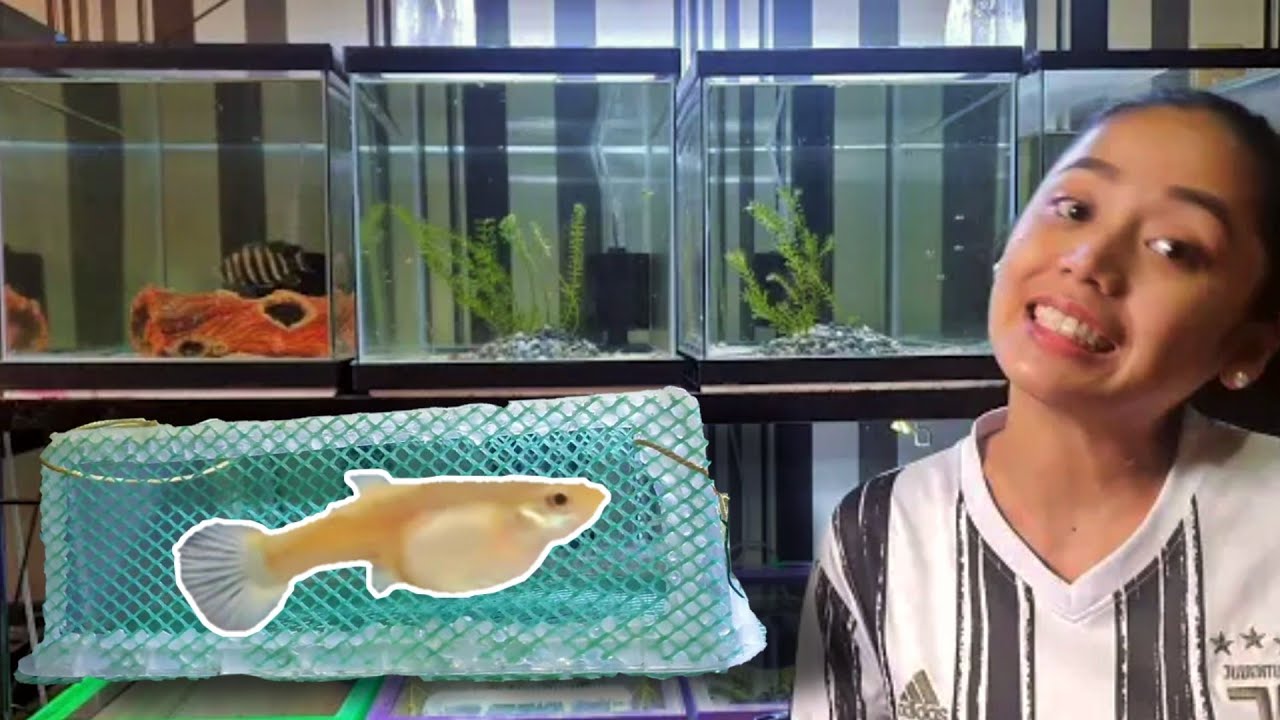
A successful guppy breeding endeavor hinges significantly on providing a suitable environment. Proper tank setup, including tank size, filtration, and water quality, directly impacts the health and reproductive success of your guppies. The environment must also be conducive to breeding behavior, with adequate hiding places, appropriate plants, and proper lighting.A well-maintained breeding environment fosters a healthy and stress-free atmosphere, encouraging optimal breeding activity and maximizing the chances of successful reproduction.
This, in turn, leads to a thriving and robust guppy population.
Essential Tank Components
The tank’s size, filtration, and water parameters are critical for a healthy breeding environment. A larger tank allows more space for the guppies to swim and reduces stress. This is especially crucial during breeding activity. A well-established breeding colony requires more space than a small community tank. A suitable tank size will ensure that the guppies have adequate room to perform their natural behaviors without undue stress.
Tank Size
For a small breeding group, a 10-gallon tank is often adequate. However, a 20-gallon long tank is often preferred for more space and a more natural feel. A larger tank will accommodate more guppies and breeding activity.
Filtration
Effective filtration is essential for maintaining excellent water quality. A filter with a moderate flow rate is ideal, preventing overcrowding of the filter media while keeping the water clean. A sponge filter or a canister filter with a suitable pre-filter are good options. Over-filtration can be detrimental.
Water Parameters
Maintaining stable water parameters is critical for the health of the guppies. The ideal water parameters for guppy breeding are a pH range of 6.5 to 7.5, a temperature range of 72 to 82 degrees Fahrenheit, and a specific gravity of 1.000 to 1.005. Water testing kits are available to monitor and adjust these parameters. Regular monitoring and adjustment are crucial.
Water Quality
Water quality is paramount to successful breeding. Clean water, free of toxins and contaminants, is vital for the health of the guppies. Regular water changes, typically 25-50% weekly, are essential for maintaining water quality. The quality of the water directly influences the breeding success rate. Maintaining good water quality also reduces the risk of diseases.
Tank Materials Comparison
| Material | Pros | Cons |
|---|---|---|
| Glass | Durable, aesthetically pleasing, easy to clean | Can be heavy, may break |
| Acrylic | Lightweight, shatter-resistant, clear | Can scratch or haze over time, less durable than glass in some cases |
| Plastic | Affordable, readily available | Less durable, less aesthetically pleasing, potentially less resistant to damage |
The choice of tank material depends on budget, aesthetics, and the specific needs of the breeding environment.
Hiding Places and Plants
Providing adequate hiding places is essential for guppies. These places, such as caves, plants, or driftwood, help to reduce stress and allow the guppies to feel safe and secure. This is vital for breeding success. Plants, both live and artificial, are also beneficial for creating a more natural environment. They also provide a place for the guppies to hide.
Lighting
Proper lighting is important, but not overly critical. Natural or artificial lighting that mimics natural daylight cycles is sufficient. Avoid harsh, overly bright lighting. Excessive light can stress the guppies.
Tank Cycling
Tank cycling is the process of establishing beneficial bacteria in the aquarium to break down fish waste.
This process is crucial for a stable environment. Before introducing guppies, the tank must be properly cycled. This process ensures that the tank’s ecosystem is balanced and ready for the introduction of the fish.
Selecting Breeding Pairs
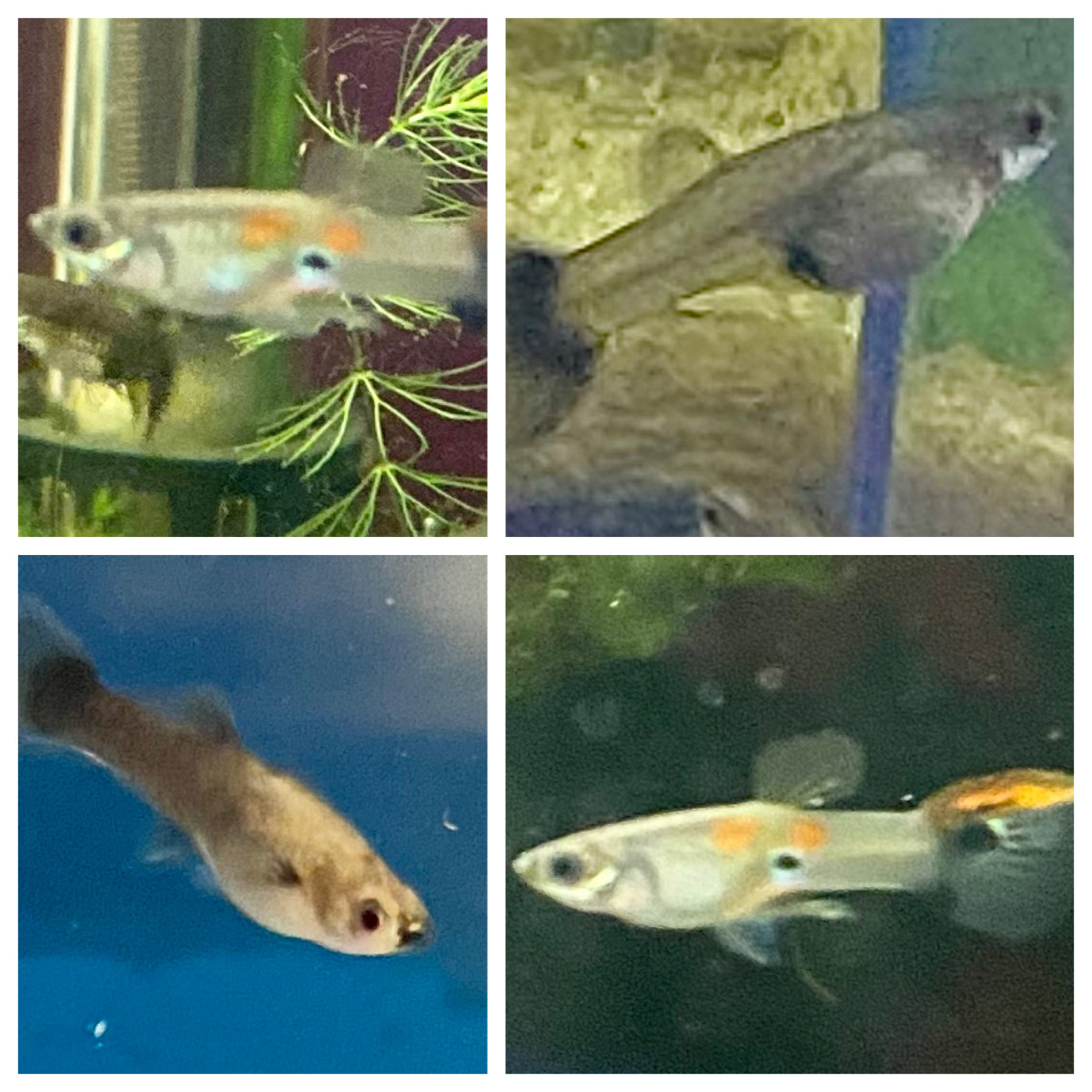
Careful selection of breeding pairs is crucial for successful guppy breeding. A well-chosen pair can lead to vibrant offspring with desirable traits, while poor choices can result in less desirable offspring or even breeding failure. This section details the criteria for selecting ideal male and female guppy pairs, emphasizing the importance of health and vigor, and the risks associated with inbreeding.
Criteria for Selecting Suitable Pairs
Selecting appropriate breeding pairs is essential for maintaining and enhancing the quality of the guppy population. This involves evaluating several factors to ensure the offspring inherit desirable characteristics and maintain a healthy genetic diversity.
Characteristics of Ideal Breeding Pairs
Ideal breeding pairs should exhibit certain characteristics that contribute to the production of healthy and desirable offspring. Size, color, and temperament play significant roles in determining the quality of the breeding pair. Larger, more vibrant fish often produce offspring with enhanced characteristics.
- Size: Males should be robust and display a mature body shape. Females should be adequately sized to support healthy pregnancies. A balance in size is important to avoid undue stress on the female during pregnancy. A male that is too small might not be able to compete effectively with other males for mating opportunities. Conversely, a female that is too large could experience difficulties in delivering the fry, or become overwhelmed by the demands of pregnancy.
Examples include choosing a male with a full, rounded body compared to a thin, underdeveloped one, and a female that is well-proportioned with a rounded abdomen.
- Color: Consider the desired color patterns and intensity. Males with exceptional color intensity and patterning are often preferred for breeding, as these traits are likely to be passed on to their offspring. A well-balanced approach is important. For example, breeding a male with a striking pattern and color with a female possessing similar characteristics is likely to produce offspring with similar desirable qualities.
Choosing a female with a muted or less vivid color could still produce striking offspring, but it is often a less predictable outcome.
- Temperament: Select pairs that display a harmonious and non-aggressive temperament. Aggressive fish can stress the female, leading to difficulties in breeding or even injury. Examples of suitable temperament include observing the fish’s interaction with others. If a male displays aggression or harassment towards other fish, it’s a sign of potential problems that could manifest during breeding. Conversely, a calm, peaceful male is more likely to provide a positive breeding environment for the female.
Importance of Healthy and Vigorous Guppies
Breeding with healthy, vigorous guppies is vital for ensuring the offspring inherit strong genetic traits. Healthy fish are less prone to diseases and are more likely to produce healthy offspring.
Risks of Inbreeding and its Impact on Offspring
Inbreeding, the mating of closely related individuals, can lead to a reduction in genetic diversity and an increased risk of inheriting recessive genetic defects. This can result in offspring that are weaker, less vibrant, or even prone to diseases. This is a significant concern in breeding, and it’s crucial to maintain a healthy level of genetic diversity within the breeding population.
Ideal Characteristics for Breeding Guppies
| Characteristic | Male | Female |
|---|---|---|
| Size | Robust, mature body shape | Adequate size to support pregnancy |
| Color | Exceptional color intensity and patterning | Well-balanced color and pattern, matching the male if desired |
| Temperament | Non-aggressive, harmonious | Non-aggressive, receptive to the male |
| Health | Free from visible diseases or deformities | Free from visible diseases or deformities |
Breeding Procedures and Care
Successfully breeding guppies requires understanding their behaviors and needs. Careful observation and attentive care throughout the process are crucial for healthy offspring. This section details the steps involved in the breeding process, from recognizing breeding readiness to managing the birthing process and beyond.
Signs of Breeding Readiness
Guppies exhibit distinct signs of readiness for breeding, allowing you to identify suitable pairs. Males, typically more colorful and active, will display elaborate courtship rituals. This includes chasing females, fanning their fins, and performing vibrant displays. Females, on the other hand, will exhibit a fuller, rounder abdomen as their eggs develop. Their coloration might also become more vibrant.
This visual cue helps pinpoint breeding pairs.
Breeding Process Steps
The actual breeding process begins with carefully selecting compatible pairs and creating an appropriate environment. Introduce the male and female into the breeding tank, ensuring sufficient space for both. Observe their interactions closely, noting the courtship rituals and mating behaviors. Successful breeding is often indicated by the male’s courtship displays and the female’s receptive behavior.
Gestation Period and Childbirth
The gestation period for guppies is typically around 28-30 days. During this time, the female’s abdomen will swell noticeably as the eggs develop. The process of childbirth, or parturition, in guppies is generally straightforward. The mother will give birth to a batch of live young, which are usually translucent and require immediate care.
Managing Stress During Breeding
Stress can negatively impact both the breeding process and the health of the offspring. Maintaining a stable environment with consistent water parameters is paramount. Avoid sudden changes in temperature, water chemistry, or tank inhabitants. Overcrowding should be avoided, providing ample space for the breeding pair. Introduce the male and female gradually to minimize initial stress.
A calm, well-lit, and clean environment contributes to a successful breeding process.
Potential Challenges and Solutions
| Challenge | Solution |
|---|---|
| Insufficient space for breeding pair | Ensure the breeding tank is spacious enough to accommodate both the male and female without overcrowding. A separate breeding tank is ideal. |
| Poor water quality | Regularly test and maintain optimal water parameters (temperature, pH, ammonia, nitrite, and nitrate levels). Perform partial water changes to maintain water quality. |
| Aggressive behavior between breeding pair | Observe the interaction closely. If aggression persists, separate the pair to prevent injuries. Ensure adequate space in the tank. |
| Malnutrition in the mother | Provide a varied and nutritious diet, rich in protein and essential vitamins. Ensure sufficient food availability. |
| Difficulty in giving birth | Monitor the female closely. If the birthing process seems prolonged or difficult, consult a veterinarian specializing in fish health. Avoid handling the female excessively during this time. |
Post-Breeding Care and Handling
Following successful breeding, meticulous care of both the parents and the newly hatched fry is crucial for ensuring healthy survival rates. Proper handling and attention to their specific needs are paramount for a successful outcome. This involves recognizing the unique requirements of each life stage, from the delicate fry to the mother, and adjusting care accordingly.Maintaining a healthy environment and providing appropriate nutrition are vital for the well-being of both the mother and the fry.
Careful monitoring and swift action in case of any issues are critical to preventing complications.
Care of the Breeding Pair
After the breeding process, the female guppy, having undergone the physical strain of birthing, requires a period of rest and recovery. A balanced diet, low in stress, and a suitable environment are vital to her recovery. It is essential to avoid excessive handling or disturbing the pair during this time.
Separating the Fry
Early separation of the fry from the parents is vital for the fry’s survival and growth. The parents may consume their young if the environment is crowded or if they perceive the fry as a threat. This is a significant factor in the fry’s survival rate, requiring careful attention to the timing and method of separation.
Care of Newly Hatched Fry
The newly hatched fry are highly vulnerable and require special attention. They are typically microscopic and lack the necessary strength and development to feed on their own. Their survival hinges on providing them with the ideal environment and the right nourishment.
Proper Feeding and Nutrition for Fry
Providing appropriate nutrition is essential for the fry’s growth and development. The food should be finely ground and easily digestible to accommodate their tiny mouths. A variety of foods, including specialized fry food, should be introduced as they grow. A balanced diet is key to supporting their rapid growth and immune system development.
Methods for Raising and Caring for Fry
Several methods exist for raising and caring for fry, each with its own advantages and disadvantages. Choosing the appropriate method depends on the scale of the breeding and the available resources.
- Separate Breeding Tanks: Utilizing separate tanks for the fry allows for targeted care and control over the environment. This enables precise monitoring of the fry’s condition and feeding schedules.
- Fry Nets and Containers: Small, fine-mesh nets and specialized containers can be employed to segregate the fry, maintaining a clean and controlled environment. This approach is well-suited for smaller fry quantities.
- Breeding Nets: Specific breeding nets are designed to allow the fry to safely pass through while preventing the parents from accessing them. This method is practical for preventing cannibalism and ensuring fry safety.
Examples of Suitable Fry Food
Providing the right food is essential for the fry’s health. The nutritional content of the food significantly impacts their growth and development.
| Food Type | Nutritional Value (Approximate) |
|---|---|
| Infusoria (Water fleas) | High in protein, essential fatty acids, and vitamins |
| Rotifers | Excellent source of protein, carbohydrates, and vitamins |
| Microworms | High in protein and essential nutrients, crucial for rapid growth |
| Artemia (brine shrimp) nauplii | Rich in protein, lipids, and essential vitamins and minerals |
| Commercial Fry Food | Formulated to meet the specific nutritional needs of fry, providing a balanced diet |
Preventing Common Breeding Problems
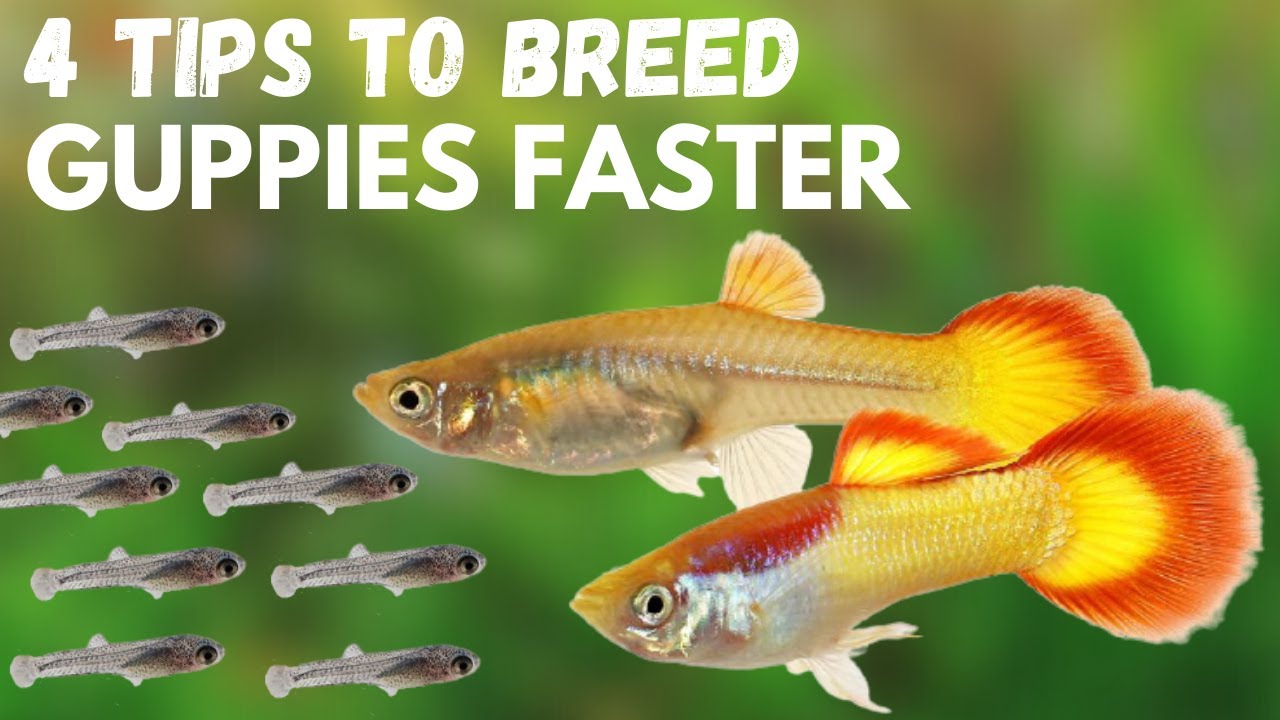
Guppy breeding, while rewarding, can be susceptible to various challenges. Understanding and proactively addressing potential problems is crucial for successful breeding and maintaining a healthy guppy population. By recognizing the root causes and implementing appropriate solutions, you can minimize stress on your fish and maximize your chances of producing healthy offspring.
Identifying Common Breeding Problems
Guppy breeding can encounter several problems, each with specific causes and solutions. Careful observation and proactive management are key to preventing issues and maintaining a thriving breeding environment.
Causes of Poor Water Quality
Poor water quality is a common issue during guppy breeding. Factors contributing to poor water quality include inadequate filtration, insufficient water changes, and accumulation of uneaten food. These factors can lead to the buildup of harmful ammonia and nitrite, negatively impacting the health of the fish, particularly the breeding pairs. Furthermore, poor water quality can weaken the immune systems of the guppies, making them more susceptible to diseases and hindering their reproductive capacity.
Causes of Overcrowding
Overcrowding in the breeding tank can be detrimental to the health and breeding success of your guppies. Limited space can lead to increased aggression and stress among the fish. This can result in decreased appetite, weakened immune systems, and difficulties in finding suitable breeding locations. Overcrowding also directly impacts water quality, exacerbating the issue and creating a vicious cycle.
Causes of Aggression
Aggression, often stemming from overcrowding or inadequate tank size, is a significant concern in breeding tanks. Dominant fish may harass or even injure less assertive individuals, particularly during the breeding season. Such behaviors can directly affect the breeding process, potentially preventing successful spawning or harming the eggs.
Causes of Poor Breeding Habits
Poor breeding habits can arise from various factors. The guppies may be too young, not properly paired, or lacking sufficient stimulation for spawning. Also, environmental factors like water temperature and pH fluctuations can disrupt the breeding cycle. The quality of food may also impact the breeding success of the fish.
Solutions to Address These Issues
Implementing effective solutions to address these problems requires a proactive approach. Preventing problems before they arise is generally more effective than treating them after they occur.
Preventative Measures
Implementing preventative measures is crucial to mitigate these breeding problems. Maintaining optimal water parameters, ensuring adequate filtration, and performing regular water changes are essential preventative steps. Separating the fish into smaller groups if needed is a solution to mitigate overcrowding, while providing ample hiding places and substrate can reduce aggression. A balanced diet and suitable water temperatures will help promote healthy breeding habits.
Treatment Solutions
If problems do arise, prompt treatment is necessary. Using appropriate water conditioners and medications can help manage poor water quality and disease. Separating aggressive fish and providing additional space can help mitigate aggression. Adjusting the breeding environment to match the guppy’s needs will help improve breeding habits.
Comparison of Common Breeding Problems
| Problem | Cause | Solutions |
|---|---|---|
| Poor Water Quality | Inadequate filtration, insufficient water changes, accumulation of uneaten food | Upgrade filtration, regular water changes, feed appropriately, maintain proper water parameters |
| Overcrowding | Limited space, increased aggression, stress | Increase tank size, separate fish into smaller groups, provide hiding places |
| Aggression | Overcrowding, lack of space, dominance issues | Increase tank size, provide hiding places, separate aggressive fish, ensure proper pairing |
| Poor Breeding Habits | Inadequate pairing, age, environmental factors, diet | Proper pairing, provide stimulation, maintain optimal water parameters, appropriate diet |
Guppy Breeding Techniques

Guppy breeding, while seemingly straightforward, can be significantly enhanced by employing specific techniques. Understanding and applying these methods can lead to predictable outcomes, desired traits, and ultimately, a more fulfilling breeding experience. This section explores various techniques, highlighting their advantages and disadvantages.
Selective Breeding
Selective breeding, a cornerstone of many successful breeding programs, involves the intentional selection of specific traits in parent fish to propagate those traits in the offspring. This process focuses on desirable characteristics such as coloration, fin shape, or body size. Careful observation and documentation are crucial to identify fish possessing the desired traits for propagation. By repeatedly selecting and breeding fish exhibiting these qualities, breeders can gradually refine and strengthen the desired characteristics over generations.
Line Breeding
Line breeding is a closely related technique, but instead of selecting for specific traits, it focuses on maintaining a consistent genetic lineage. This is achieved by mating closely related fish, preserving the genetic makeup of a particular strain or line. The outcome is a more predictable set of characteristics compared to random breeding. While this approach ensures a consistent lineage, it can also lead to an increased risk of recessive traits appearing in the offspring.
Careful monitoring of the line’s health is vital to minimize these risks.
Maintaining Breeding Records
Maintaining detailed records of breeding results is paramount in both selective and line breeding. These records provide valuable data for future breeding decisions. Comprehensive records should include dates of breeding, parents’ characteristics (e.g., coloration, fin shape), and offspring’s traits. This information can be used to identify trends, predict outcomes, and improve breeding practices over time. Consistent recording allows breeders to track progress and adjust their strategies as needed.
This systematic approach can be invaluable in optimizing breeding outcomes.
Examples of Successful Breeding Projects
Numerous successful breeding projects have showcased the effectiveness of these techniques. For example, breeders focused on specific fin shapes have successfully developed guppy lines with extraordinarily long and flowing fins, showcasing the impact of selective breeding. Similarly, projects focusing on the vibrant coloration of the guppy have resulted in new, more vivid and striking colors. These achievements highlight the potential for predictable outcomes when appropriate techniques are employed and meticulous records are kept.
Summary of Breeding Techniques
| Breeding Technique | Pros | Cons |
|---|---|---|
| Selective Breeding | Emphasis on desirable traits, potential for enhanced characteristics, gradual improvement of traits over generations | Requires careful selection criteria, potential for traits to be lost or altered if selection isn’t thorough, potentially higher cost if specialized strains are desired |
| Line Breeding | Preservation of a consistent genetic lineage, more predictable outcomes, potential for maintaining desirable traits in a strain | Increased risk of recessive traits, potential for inbreeding depression if not managed carefully, less diversity within the line |
Advanced Guppy Breeding Considerations
Guppy breeding, while rewarding, can become significantly more intricate when aiming for specific color variations or traits. This advanced level delves into the nuances of genetic manipulation, breeding techniques, and the identification of unique guppy varieties. Understanding the genetic basis of these traits is paramount to success in advanced breeding endeavors.
Specialized Breeding Techniques for Specific Traits
Careful selection of breeding pairs, coupled with a profound understanding of guppy genetics, is crucial for achieving specific color variations or traits. Selective breeding involves choosing parents with desirable characteristics and ensuring their offspring inherit those traits. This methodical approach, when coupled with consistent observation and record-keeping, allows breeders to cultivate a lineage of guppies with distinctive features.
Specific techniques include line breeding (using closely related parents), outcrossing (using unrelated parents), and inbreeding (using closely related parents for a specific purpose) for enhanced traits, and all are carefully considered to maintain the health and vitality of the guppy population.
Importance of Genetic Knowledge in Guppy Breeding
Understanding guppy genetics is not merely a theoretical exercise; it’s essential for successful breeding. The principles of Mendelian inheritance, dominant and recessive traits, and the interplay of genes are critical for predicting the traits of offspring. This knowledge allows breeders to select parents that will maximize the likelihood of inheriting the desired traits. A fundamental understanding of gene expression, mutations, and environmental influences is key to achieving the desired results and avoids unwanted consequences.
Breeding Methods for Desired Traits
Various breeding methods can be employed to achieve specific guppy traits. One common method is the “pedigree” system, where meticulous records are maintained of each guppy’s lineage. This enables breeders to trace the inheritance of traits across generations, allowing for precise selection of breeding pairs. Another method involves carefully observing the offspring from different pairings, meticulously noting which traits are expressed and which are not.
Examples of Unique Guppy Varieties and their Breeding History
Several unique guppy varieties have emerged through years of dedicated breeding. For example, the “gold” guppy, known for its striking golden coloration, is a result of careful selection and breeding of golden-hued parents. Similarly, the “pastel” guppy exhibits a more subdued, yet vibrant, coloration resulting from a specific selection of traits across generations. The “long-fin” guppy, famous for its extended fins, is a testament to the power of consistent selection for fin length over multiple generations.
These examples highlight the long-term commitment and meticulous breeding strategies involved in achieving unique guppy varieties.
Genetic Aspects of Guppy Breeding
| Trait | Genetic Basis | Breeding Implications |
|---|---|---|
| Color Variation | Controlled by multiple genes interacting with environmental factors. | Selective breeding for specific colors requires careful observation and record-keeping to isolate the responsible genes. |
| Fin Shape and Length | Influenced by genes controlling fin development. | Line breeding or outcrossing strategies can be used to emphasize specific fin shapes and lengths. |
| Body Shape | Controlled by genes influencing growth and development. | Careful selection of parents with the desired body shape can lead to offspring with similar forms. |
| Pattern | Resulting from a combination of genes affecting pigment distribution. | Breeding for specific patterns requires understanding the genetic components behind the desired patterns. |
Specific breeding techniques are critical in achieving the desired outcome, while a thorough understanding of genetic principles allows breeders to refine their approach.
Guppy Breeding for Beginners
Guppy breeding, while potentially rewarding, can seem daunting for newcomers. This simplified approach aims to demystify the process, making it accessible and enjoyable for beginners. Understanding the fundamentals and following a structured approach will significantly increase the likelihood of success in your first breeding attempt.
Simplified Approach for Beginners
A simplified approach to guppy breeding focuses on creating a stable environment, selecting compatible pairs, and providing optimal conditions for successful reproduction. Beginners should prioritize a manageable setup, clear procedures, and a focus on the basic needs of the fish and their offspring. This reduces the stress of complex techniques, allowing for a rewarding experience without overwhelming complexity.
Essential Items Checklist
A well-stocked breeding environment is key to successful guppy breeding. This checklist Artikels the fundamental equipment and supplies needed:
- A dedicated breeding tank, preferably 10-20 gallons.
- A separate quarantine tank for new fish.
- High-quality, temperature-controlled aquarium heater.
- A reliable aquarium thermometer.
- Suitable substrate, such as gravel or sand.
- Live or frozen foods, appropriate for guppies.
- Breeding nets for separating fish.
- A water testing kit to maintain water parameters.
- Plenty of aquatic plants for cover and spawning sites.
- A clean and appropriate filter system.
Basic Steps for a Successful First Breeding Attempt
Following a systematic approach significantly increases the chances of successful breeding. These basic steps provide a roadmap for beginners:
- Tank Setup: Establish a separate breeding tank with appropriate water parameters, suitable substrate, and plenty of hiding places.
- Pair Selection: Carefully choose a male and female guppy that are healthy, active, and of a suitable size for breeding.
- Breeding Procedures: Observe the breeding process. Ensure the water temperature remains stable. Males often exhibit courting behavior. After mating, monitor the female’s gestation period.
- Fry Care: Provide appropriate food and maintain excellent water quality. The fry’s diet will evolve as they grow. Monitor the fry for any signs of illness.
Common Mistakes to Avoid
Recognizing and avoiding common pitfalls is crucial for a successful breeding experience.
- Overcrowding the tank, which can lead to stress and decreased breeding success.
- Introducing a breeding pair to an unfamiliar environment too quickly.
- Failing to maintain optimal water parameters.
- Providing inadequate nutrition for the growing fry.
- Ignoring signs of illness in either the parents or the fry.
Beginner’s Breeding Timeline
This table Artikels the steps from tank setup to fry care, providing a comprehensive guide for beginners.
| Stage | Action | Duration/Frequency |
|---|---|---|
| Tank Setup | Establish the breeding tank with appropriate parameters, substrate, and plants. | One-time setup. |
| Pair Selection | Choose healthy, active, and compatible guppy pairs. | One-time selection. |
| Breeding Monitoring | Observe courtship, mating, and gestation. | Daily observation. |
| Fry Care | Provide appropriate food and maintain excellent water quality. | Daily or every other day. |
| Fry Growth Monitoring | Observe the fry for growth, activity, and health. | Daily or every other day. |
Conclusive Thoughts
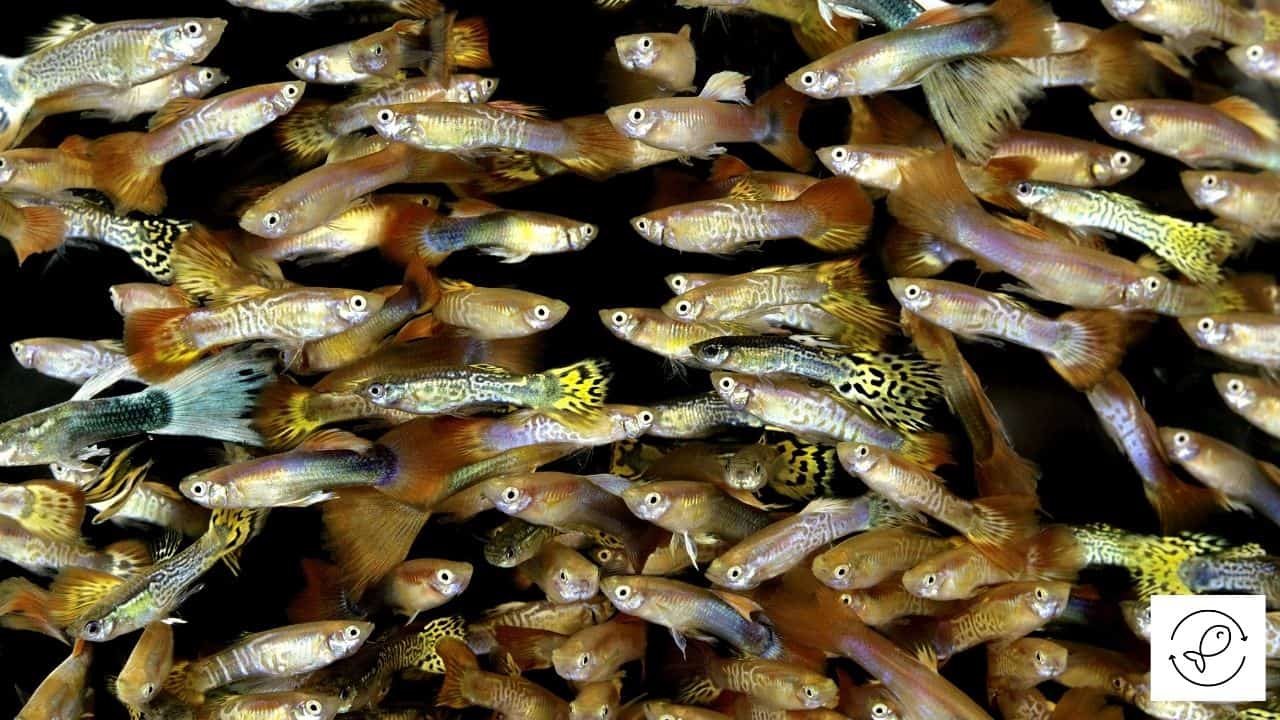
In conclusion, successful guppy breeding hinges on a combination of meticulous planning, careful observation, and responsive action. By understanding the needs of your guppies, maintaining optimal water conditions, and employing effective breeding strategies, you can create a thriving environment for both parents and offspring. This comprehensive guide offers a roadmap to navigate the complexities of guppy breeding and achieve your desired outcomes.