Breeding angelfish, with their captivating beauty and unique behaviors, can be a rewarding experience for aquarists. This guide provides a comprehensive overview of the process, from selecting suitable pairs to nurturing the fry. Understanding their specific needs and characteristics is key to success.
This guide will cover everything from the essential tank setup and water parameters to selecting breeding pairs and the intricacies of the breeding process itself. It will also address potential problems and advanced techniques to ensure a successful and fulfilling breeding journey.
Introduction to Angelfish Breeding
Angelfish, renowned for their striking beauty and graceful movements, are popular aquarium inhabitants. Their vibrant colors and flowing fins make them captivating additions to any home. However, successful angelfish breeding requires a deeper understanding of their specific needs and characteristics, including their diverse species, common misconceptions, and the importance of responsible practices.Breeding angelfish, while rewarding, is not a simple undertaking.
It demands careful consideration of water parameters, tank setup, and the specific needs of the chosen species. Understanding the nuances of their behavior and compatibility is crucial to achieving successful breeding outcomes.
Angelfish Species Overview
Angelfish encompass a diverse array of species, each possessing unique characteristics. This diversity makes selecting the right species for breeding essential. Their visual appeal and lively personalities contribute significantly to their popularity. Different species have varying requirements, temperaments, and breeding difficulties.
Species Suitability for Breeding
Several angelfish species are particularly well-suited for breeding due to their reproductive behavior and compatibility. Choosing a species that is relatively peaceful and not prone to aggression is important for a successful breeding pair. It is vital to research the specific needs of the selected species to optimize breeding conditions. Some species might be more prone to fin nipping or territorial disputes, affecting breeding success.
Common Misconceptions About Angelfish Breeding
A common misconception is that all angelfish species are easily bred. In reality, breeding success depends on various factors, including species-specific requirements, water parameters, and the compatibility of the breeding pair. Another misconception is that angelfish breeding is entirely passive. Careful monitoring and appropriate tank setup are essential for successful outcomes. Furthermore, a lack of understanding of the species’ natural behaviors and requirements can lead to breeding failure.
Importance of Responsible Breeding Practices
Responsible angelfish breeding extends beyond simply achieving successful breeding events. It encompasses the ethical considerations involved in maintaining the health and well-being of the fish, the quality of the offspring, and the sustainability of the species. Over-breeding can negatively impact the long-term health and survival of the fish population.
Comparison of Angelfish Species
| Species | Size (in) | Temperament | Breeding Difficulty |
|---|---|---|---|
| Pterophyllum scalare (Common Angelfish) | 6-8 | Generally peaceful, but can be aggressive towards other angelfish or similar species. | Moderate |
| Pterophyllum leopoldi (Leopard Angelfish) | 4-6 | Relatively peaceful, but can become territorial during breeding season. | Medium |
| Pterophyllum altum (High-fin Angelfish) | 6-8 | Peaceful, but can be prone to fin nipping in close quarters. | Moderate |
Careful consideration of these factors and responsible practices is essential to ensuring a positive and successful breeding experience.
Tank Setup and Maintenance
Proper tank setup and maintenance are crucial for the success of angelfish breeding. A well-maintained environment promotes healthy fish, stress-free breeding, and thriving offspring. A dedicated and attentive approach to water parameters, equipment selection, and tank hygiene are essential for a successful breeding program.Optimal water parameters for angelfish breeding are critical to their health and reproductive success. These parameters are tailored to the specific needs of the fish, ensuring a thriving environment for both adults and fry.
Optimal Water Parameters
Angelfish thrive in slightly acidic to neutral water with specific temperature and hardness ranges. Maintaining these parameters minimizes stress and promotes healthy development of the fish. The ideal water temperature range for angelfish breeding is between 78°F and 82°F (26°C to 28°C). A consistent temperature is vital for their well-being and reproduction. Maintaining a stable pH level between 6.5 and 7.5 is recommended.
Water hardness should ideally fall between 5 and 15 dGH (degrees of general hardness). Variations in these parameters can negatively impact the breeding process. The pH and hardness of the water should be carefully monitored and maintained using appropriate testing kits.
Essential Tank Equipment
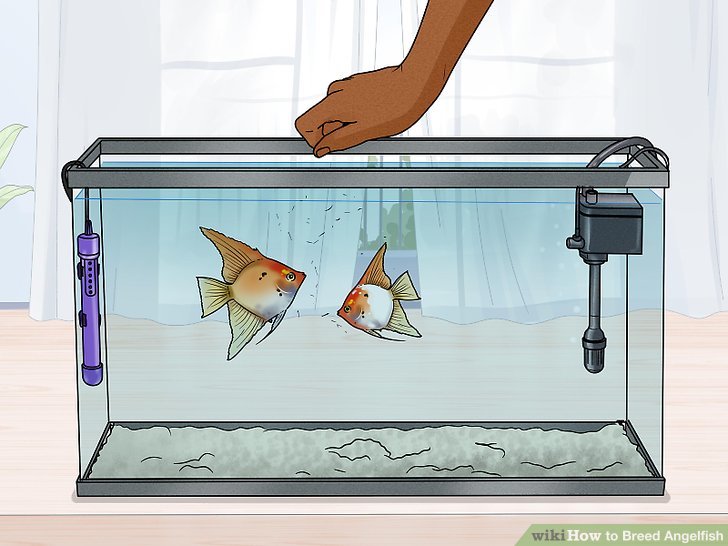
Selecting the correct tank equipment is essential for creating a suitable environment for angelfish breeding. Appropriate filtration, heating, and aeration are critical to maintain a healthy water quality and support the breeding process. A robust filtration system is necessary to remove waste products and maintain water clarity. A reliable heater ensures consistent water temperature, crucial for the angelfish’s health and reproduction.
Adequate aeration with an air pump prevents oxygen depletion, a significant factor in fish health and breeding success.
Tank Cycling and Water Changes
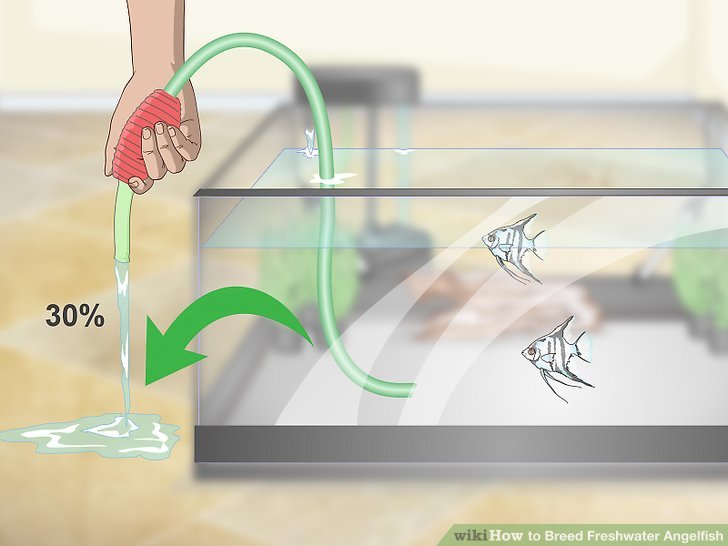
Tank cycling is a crucial step in establishing a healthy biological filter. It involves establishing beneficial bacteria in the aquarium that break down fish waste and maintain water quality. Regular water changes are essential to maintain water quality and remove accumulated waste products. A consistent schedule for water changes is important for preventing ammonia and nitrite spikes.
The frequency of water changes will depend on the size of the tank and the number of fish, but generally, 25-50% weekly water changes are recommended.
Tank Size and Layout
The tank size and layout play a significant role in the success of angelfish breeding. A larger tank provides ample space for the breeding pair and allows for more natural behaviors. A minimum tank size for a breeding pair is 40 gallons (150 liters). The tank layout should include suitable hiding places and territories for the angelfish.
A well-planted environment with caves and rocks can provide suitable nesting sites and promote a more natural breeding environment. A suitable layout encourages breeding behavior.
Essential Tank Equipment Table
| Equipment | Specifications | Recommended Brands |
|---|---|---|
| Filter | Hang-on filter with a flow rate appropriate for tank size; canister filter for larger tanks | Fluval, Aquaclear, Eheim |
| Heater | Adjustable heater with accurate temperature control, wattage suitable for tank size | Aqueon, Fluval, Tetra |
| Air Pump | Air pump with sufficient output for adequate oxygenation; adjustable air stone | Fluval, Whisper, Tetra |
Selecting Breeding Pairs

Choosing suitable breeding pairs is crucial for successful angelfish reproduction. A careful selection process ensures the health and vigor of the offspring, promoting a thriving breeding colony. This process involves evaluating several key aspects, including the fish’s overall health, compatibility, and readiness for breeding.
Criteria for Choosing Suitable Breeding Pairs
Selecting breeding pairs is a nuanced process, demanding careful observation of physical characteristics, behavior, and health. A healthy and vibrant pair, displaying suitable characteristics, will produce healthy and robust offspring. The fish should be free from any visible signs of disease or injury. Their physical condition, including finnage, scales, and overall body structure, should indicate robust health.
A strong, well-proportioned fish is more likely to produce strong, healthy offspring.
Importance of Fish Health and Compatibility
Prioritizing fish health and compatibility is essential. Disease-ridden or injured fish can pass on genetic defects or illnesses to the offspring. Likewise, incompatible pairs may exhibit aggressive behavior, potentially harming the female or hindering successful breeding. This can manifest in nipping, chasing, or territorial disputes, negatively impacting the breeding process. Compatibility assessment includes considering personality traits and temperament.
Observe their interactions within the environment; a peaceful and harmonious relationship signifies compatibility.
Identifying Signs of Readiness for Breeding in Angelfish
Recognizing signs of breeding readiness in angelfish is vital for successful pair selection. Careful observation of behavioral and physical changes allows breeders to identify suitable candidates for breeding. This involves noting changes in finnage, coloration, and courtship behaviors.
| Sign | Description |
|---|---|
| Enhanced Coloration | Males often exhibit brighter and more intense colors, particularly around the head and fins, as they become more aggressive and attract females. |
| Courtship Rituals | This includes specific movements, such as the male circling the female, fanning his fins, and displaying colors to attract her attention. The female’s response, such as following the male, is an important indicator. |
| Increased Aggression | Males may become more territorial and protective, displaying aggressive behavior towards other fish. This can be seen in chasing or nipping at intruders. |
| Body Shape Changes | Females might show a slight increase in belly size as they mature, signifying readiness for egg production. |
| Fin Condition | Healthy, well-proportioned fins are a strong indicator of overall fish health. Damaged fins or unusual fin shapes could indicate underlying health issues. |
Breeding Procedures
Angelfish breeding, while rewarding, requires careful attention to detail and understanding of the fish’s behavior. Properly understanding and implementing breeding procedures significantly increases the chances of successful spawns and healthy offspring. Successful angelfish breeding hinges on providing an environment that mimics their natural spawning habits and meeting the specific needs of the male and female.
Spawning Environment Creation
A suitable spawning environment is crucial for successful angelfish spawning. This environment should replicate the natural conditions that angelfish would encounter in their native habitats. The tank should be spacious, well-lit, and equipped with specific features that mimic their natural spawning habits. These features are vital to successful spawns.
- Tank Size and Setup: A separate breeding tank, ideally 20-30 gallons, is recommended for spawning. This space provides ample room for the fish to exhibit their natural behaviors without feeling confined. The tank should have soft, neutral lighting to prevent stress. Decorations, such as caves, rocks, and plants, should be incorporated to offer hiding places and areas for the pair to establish territories.
- Water Quality: Maintaining excellent water quality is paramount. Water parameters should be closely monitored and consistently maintained within the optimal range. This includes regular water changes, filtration, and appropriate water temperature and pH. Maintaining consistent water parameters prevents stress and promotes successful spawning.
- Substrate Selection: The substrate should be inert, such as smooth gravel or sand, to prevent any potential harm to the developing eggs. Avoid substrates that could be ingested by the fry.
Male and Female Roles
The male and female angelfish play distinct roles in the breeding process. Understanding these roles is essential for successful breeding. Males are typically more aggressive during the spawning process, defending the territory and their mate. Females, on the other hand, are responsible for laying eggs and caring for the offspring.
- Male Behavior: The male’s role involves vigorous courtship displays, including chasing and circling the female, often accompanied by elaborate fin movements and coloration changes. These behaviors serve to attract the female and establish dominance.
- Female Behavior: The female’s role involves selecting a mate and, following successful courtship, laying eggs. She then will take the role of nurturing the eggs until the fry hatch.
Spawning Behavior
Angelfish exhibit specific spawning behaviors that indicate their readiness for breeding. Observing these behaviors helps breeders predict the timing of the spawning event. This knowledge allows for proper preparation of the spawning tank.
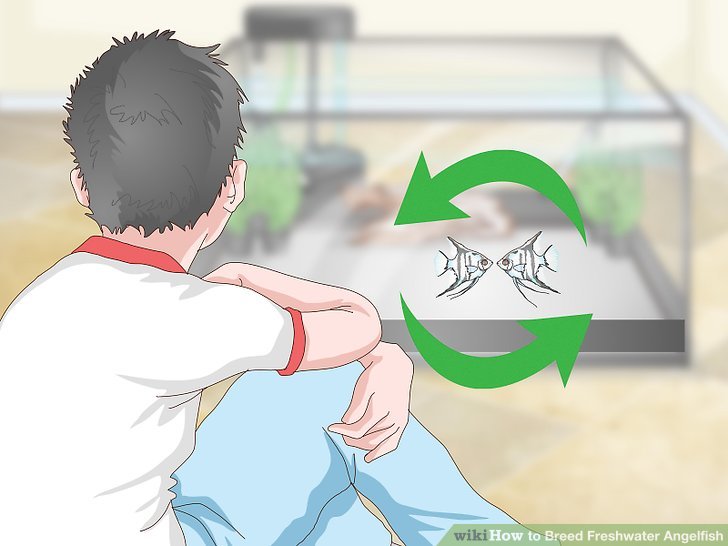
- Courtship Displays: The male angelfish often performs intricate courtship displays to attract the female. These displays may include circling, chasing, and vibrant color changes. The female will eventually select a mate after a series of these displays.
- Nest Building: Following successful courtship, the male and female will often select a suitable location to build a nest. This is typically a space near the surface of the tank where the eggs will be laid.
- Egg Laying: The female will lay eggs in the nest that the male has prepared, and the male will then fertilize the eggs.
Step-by-Step Procedure for Angelfish Breeding
A well-defined procedure for angelfish breeding significantly improves the chances of successful spawns. This process should be followed meticulously for optimal results.
- Pair Selection: Choose a healthy, mature pair of angelfish that are showing signs of readiness to breed. Observe their interactions to ensure compatibility and suitability for breeding.
- Tank Preparation: Prepare a separate spawning tank, ideally 20-30 gallons, with appropriate water parameters, lighting, and decorations to mimic their natural spawning habits.
- Monitoring and Observation: Continuously monitor the pair’s behavior for signs of courtship and spawning activity. Note the specific patterns and duration of the courtship displays.
- Spawning Support: If spawning doesn’t occur naturally, breeders can carefully and gently guide the pair to spawn. However, this should only be attempted with considerable caution and expertise.
- Post-Spawning Care: After spawning, carefully remove the parents to prevent them from consuming the eggs or fry. Provide a suitable environment for the fry, such as a separate tank or breeding box, and monitor their development.
Nurturing the Fry
Successfully raising angelfish fry from eggs to juveniles requires careful attention to their delicate needs. This crucial stage demands a dedicated approach to feeding, water quality, and environmental control, setting the foundation for the fish’s future health and growth. The fry are highly vulnerable during this period, making attentive care essential.
Fry Care Essentials
Proper care of angelfish fry involves maintaining optimal water parameters, providing appropriate hiding places, and ensuring constant observation. The fry are highly susceptible to disease and stress, so maintaining a clean and stable environment is paramount. Consistent monitoring allows for early detection of issues, facilitating timely intervention.
Feeding Methods for Fry
The transition from egg yolk to external food sources is critical for fry survival. Infusoria, rotifers, and microworms are commonly used as starter foods. The small size of these organisms ensures that the fry can consume them effectively. Gradually transitioning to larger foods like finely crushed flake food or brine shrimp nauplii is essential for proper nutrition and growth.
Fry Diet Considerations
The nutritional requirements of angelfish fry change as they grow. Starter foods are essential for the first few weeks, providing essential nutrients. As the fry develop, a balanced diet is vital for optimal growth and development. This includes proteins, fats, vitamins, and minerals. A variety of food sources ensures that the fry receive the necessary nutrients.
Challenges in Raising Angelfish Fry
Raising angelfish fry presents several challenges. Maintaining water quality and preventing diseases are critical. The fry are extremely sensitive to fluctuations in water parameters, making consistent monitoring and adjustments essential. Competition for food and space can also arise, potentially leading to stress and mortality. Careful observation and proactive management of these factors are crucial for successful fry rearing.
Recommended Fry Foods and Nutritional Value
| Food | Nutritional Value |
|---|---|
| Infusoria | High in protein and essential nutrients for early development. |
| Rotifers | A good source of protein, fats, and vitamins, suitable for the early growth phase. |
| Microworms | Excellent source of protein and essential nutrients, facilitating rapid growth. |
| Brine Shrimp Nauplii | Provide a higher concentration of nutrients compared to other starter foods, aiding in faster development. |
| Finely Crushed Flake Food | A more complete food source, introducing the fry to a broader spectrum of nutrients as they grow. |
Addressing Potential Problems
Successfully breeding angelfish requires vigilance and a proactive approach to potential issues. Understanding common problems and their solutions is crucial for ensuring healthy breeding and a thriving colony. This section details various potential problems and provides practical guidance for diagnosis and resolution.Breeding angelfish, while rewarding, can present challenges. Careful monitoring, proactive measures, and a good understanding of angelfish health are key to success.
Early identification and swift action can often prevent minor problems from escalating into significant setbacks.
Common Breeding-Related Issues
Careful observation is essential for identifying problems early in the breeding process. Potential problems range from water quality issues to aggression between breeding pairs or parental care deficiencies.
- Water Quality Degradation: Maintaining optimal water parameters is paramount. Fluctuations in temperature, ammonia, nitrite, nitrate, and pH levels can negatively impact fish health and reproductive success. Regular water testing and careful water changes are vital for preventing issues. Examples include using a reliable water testing kit and performing partial water changes weekly to maintain the desired water parameters.
- Breeding Pair Aggression: Sometimes, the chosen pair may exhibit aggressive behavior towards each other, hindering the breeding process or harming one or both fish. Adjustments to the tank setup, such as introducing hiding spaces or increasing the tank size, can sometimes mitigate this. If aggression persists, separating the pair might be necessary.
- Parental Care Deficiencies: Parent fish may neglect the fry or exhibit behaviors that are detrimental to their survival. This could be due to stress, inadequate feeding opportunities, or other factors. Offering supplementary feeding and ensuring the fry have ample hiding places can help.
- Fry Mortality: Fry mortality can result from various factors, including poor water quality, inadequate food sources, fungal infections, or even cannibalism. Maintaining excellent water quality, providing appropriate fry food, and treating fungal infections promptly are critical for survival.
Disease Prevention and Treatment
Disease prevention is always preferable to treatment. Maintaining a clean and healthy environment, including regular tank maintenance and quarantine of new fish, is essential. If disease does arise, swift and accurate diagnosis is critical for successful treatment.
- Disease Diagnosis: Identifying the specific disease affecting the angelfish is crucial. Observing symptoms like fin rot, bacterial infections, or fungal infections and noting their progression are important steps. Consult a veterinarian or experienced fish keeper for accurate diagnosis. Using diagnostic tools, such as microscope examination of affected tissues, can be beneficial.
- Treatment Strategies: Treatment options vary depending on the identified disease. Veterinarians and experienced fish keepers often recommend appropriate medications and therapies. This might include administering medication in the water, or using medicated food. Regular monitoring of the fish’s response to treatment is essential. It’s crucial to follow the prescribed dosage and treatment duration strictly.
Examples of Problems and Solutions
- Problem: Breeding pair exhibits constant aggression, resulting in injury to one fish.
Solution: Increase the tank size to provide more space and hiding places. If aggression persists, separate the pair into individual tanks. - Problem: Fry are showing signs of fin rot.
Solution: Implement water changes to improve water quality and introduce medication as directed by a veterinarian. - Problem: High ammonia levels detected in the breeding tank.
Solution: Perform large water changes, and address any source of ammonia, such as decaying organic matter.
Advanced Breeding Techniques
Angelfish breeding, while rewarding, can be further enhanced through advanced techniques. These methods, encompassing selective breeding and hybridization, can lead to the development of desirable traits and the creation of unique specimens. However, it is crucial to approach these techniques with a deep understanding of the ethical implications and specific needs of each angelfish species.Understanding the genetic makeup of angelfish, and the various factors that influence their traits, allows breeders to select and combine desirable characteristics.
Careful consideration of the potential outcomes of these techniques, as well as the well-being of the fish, is paramount.
Selective Breeding
Selective breeding focuses on choosing parent fish with specific desirable traits, such as coloration, fin shape, or body size. By consistently selecting these fish for breeding, breeders aim to amplify these traits in subsequent generations. This technique is a long-term commitment requiring careful observation and documentation of each generation’s characteristics.Careful selection of breeding pairs is vital. This involves considering the fish’s physical traits and ensuring they complement each other genetically to enhance the desired traits.
Maintaining detailed records of each breeding cycle, including the parents’ characteristics and the offspring’s traits, is essential for tracking progress and identifying trends.
Hybridization
Hybridization involves breeding angelfish from different species or varieties. This can result in unique color patterns, fin shapes, or body structures. However, hybridization can also lead to unforeseen outcomes, such as reduced fertility or health issues in the offspring.Hybridization requires a thorough understanding of the genetic differences between the chosen species or varieties. Careful planning and a comprehensive understanding of the potential risks and benefits are essential.
The resulting offspring may not always exhibit the desired traits, and there is a possibility of compromising the long-term health and viability of the breed. Thorough research and consideration of the genetic implications are crucial for successful hybridization.
Ethical Considerations
Ethical considerations in angelfish breeding are crucial. Breeders should prioritize the well-being of the fish, avoiding practices that could cause stress or harm. Responsible breeding practices should always be followed.These include proper tank conditions, appropriate feeding, and responsible breeding cycles to avoid overpopulation. The long-term health and welfare of the fish must always be a top priority.
Avoid practices that could compromise their genetic diversity or lead to reduced health in subsequent generations. Maintaining a balance between achieving desired traits and preserving the natural diversity of angelfish is crucial.
Species-Specific Considerations
Different angelfish species have varying requirements and tolerances. Breeding techniques must be adapted to the specific needs of each species. For example, some species may require different water parameters, feeding regimes, or breeding environments.A comprehensive understanding of each species’ natural habitat and behavior is essential for creating optimal breeding conditions. Breeders must be aware of the particular needs of the angelfish species they are working with to ensure optimal health and reproductive success.
Thorough research into the natural behaviors and environmental preferences of each species is crucial for successful breeding.
Examples of Advanced Techniques
Several examples illustrate the application of advanced breeding techniques.One example involves selectively breeding angelfish for larger, more elaborate fins. A detailed record of fin size and shape in successive generations would be kept to track the evolution of the trait. Another example might involve hybridizing a specific variety of angelfish with a rare wild-caught species to explore the possibilities of creating unique color patterns.This process would involve thorough documentation of the parent fish’s characteristics and the offspring’s phenotypes to determine the success of the hybridization process.
Careful monitoring of the offspring’s health and well-being is crucial in such breeding efforts.
Epilogue
In conclusion, breeding angelfish requires careful planning, attention to detail, and a deep understanding of their needs. By following the steps Artikeld in this guide, aquarists can embark on a rewarding journey, witnessing the fascinating process of angelfish reproduction. Remember that responsible breeding practices are crucial to the health and well-being of the fish and the continuation of their species.