Propagating aquarium plants offers a rewarding way to expand your aquatic ecosystem without emptying your wallet. This comprehensive guide delves into various methods, from simple cuttings to intricate layering techniques, empowering you to cultivate vibrant new plants from existing ones. Understanding the specific needs of different aquarium plants and the ideal environmental conditions will be crucial for success.
This guide explores the essential steps for each propagation method, offering detailed instructions, tips, and troubleshooting advice. You’ll learn about the ideal conditions for success, including water parameters, lighting, and CO2 levels, along with crucial post-propagation care to ensure thriving new plants.
Introduction to Propagating Aquarium Plants
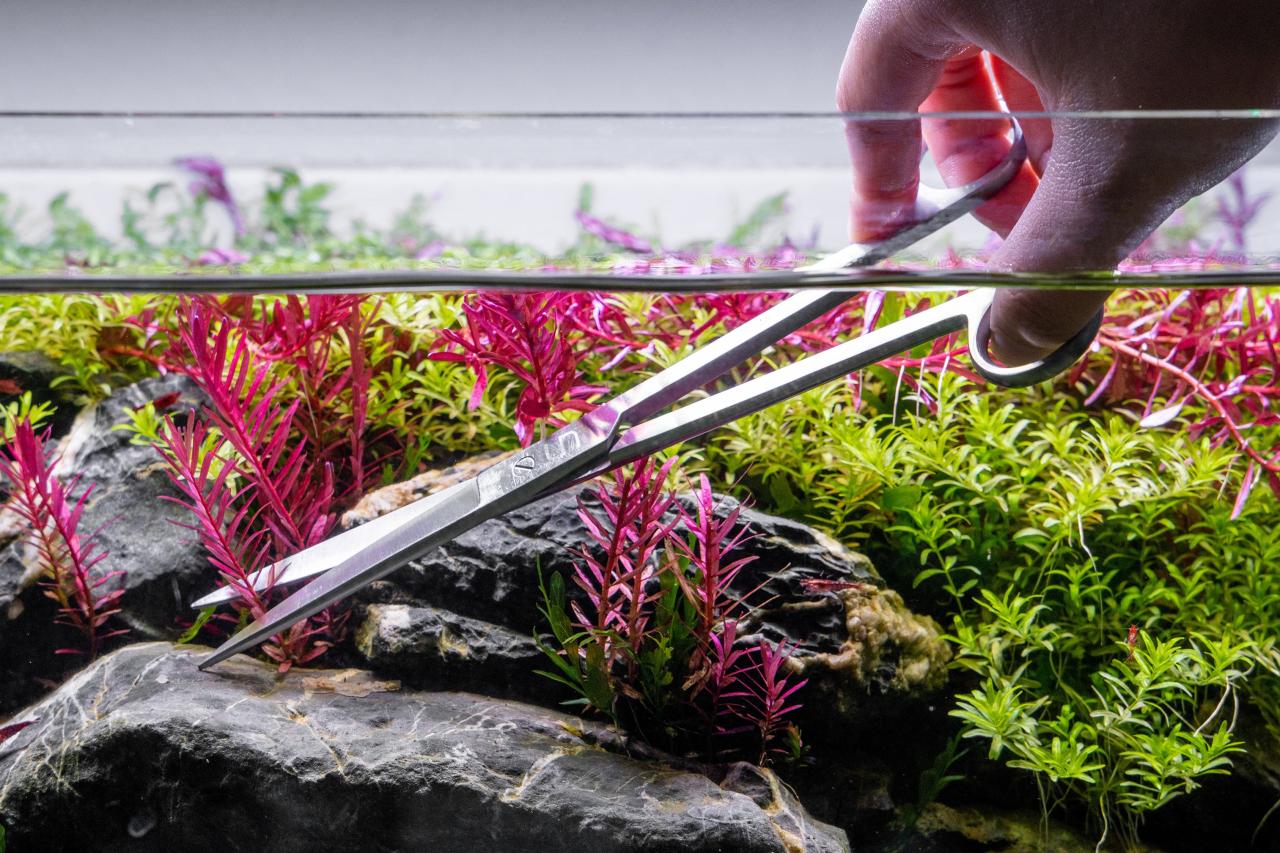
Propagating aquarium plants is a rewarding hobby that allows enthusiasts to expand their aquatic ecosystems and enjoy the beauty of thriving plant life. It’s a crucial aspect of maintaining a healthy and vibrant aquarium, enabling the continuous growth and diversification of the plant community. This process not only replenishes existing plant populations but also allows for the introduction of new varieties.This practice offers significant advantages, including cost savings and the creation of a diverse and dynamic aquatic environment.
The variety of propagation methods allows aquarists to tailor their approach to suit specific plant types and personal preferences. Understanding these methods can dramatically improve the success rate of plant growth and overall aquarium health.
Different Methods of Propagating Aquarium Plants
Various methods are available for propagating aquarium plants, each with its own set of advantages and considerations. The chosen method often depends on the type of plant and the desired outcome. Understanding the specifics of each method allows aquarists to maximize the success rate of their propagation efforts.
Commonly Propagated Aquarium Plant Types
Numerous aquarium plant species are readily propagated. Popular choices include those with easily recognizable characteristics for propagation, like stems, runners, or offsets. These plants thrive in the controlled environment of an aquarium, often adapting well to propagation. The availability of diverse plant types enables aquarists to customize their aquariums to suit specific aesthetic preferences.
Benefits of Propagating Over Purchasing
Propagating aquarium plants provides a sustainable and cost-effective method of expanding an aquarium’s plant life. This approach reduces the financial burden associated with purchasing new plants, while simultaneously preserving the genetic diversity of existing species. The process of propagation allows aquarists to cultivate and select plants that best suit their particular aquarium environment.
Table of Propagation Methods
| Method Name | Materials Required | Steps Involved |
|---|---|---|
| Stem Cutting | Sharp knife or scissors, rooting hormone (optional), small pot or container, substrate | 1. Carefully cut a healthy stem from the parent plant, ensuring a clean cut. 2. Remove lower leaves to reduce potential for rot. 3. Optionally, apply rooting hormone to the cut end. 4. Place the cutting in a small pot or container filled with substrate. 5. Maintain consistent moisture and adequate light for successful rooting. |
| Division | Sharp knife or scissors, substrate | 1. Carefully separate the plant into smaller sections, ensuring each division has healthy roots and shoots. 2. Plant each division into individual containers filled with appropriate substrate. 3. Maintain suitable lighting and water conditions to encourage growth. |
| Layering | Substrate, water, patience | 1. Select a healthy stem or branch that’s growing along the surface of the substrate. 2. Bend the stem down, bury a section of the stem in the substrate, and secure it with small rocks or gravel. 3. Maintain consistent moisture, allowing the buried section to develop roots. 4. Once rooted, separate the new plant from the parent plant. |
Cuttings Propagation Method
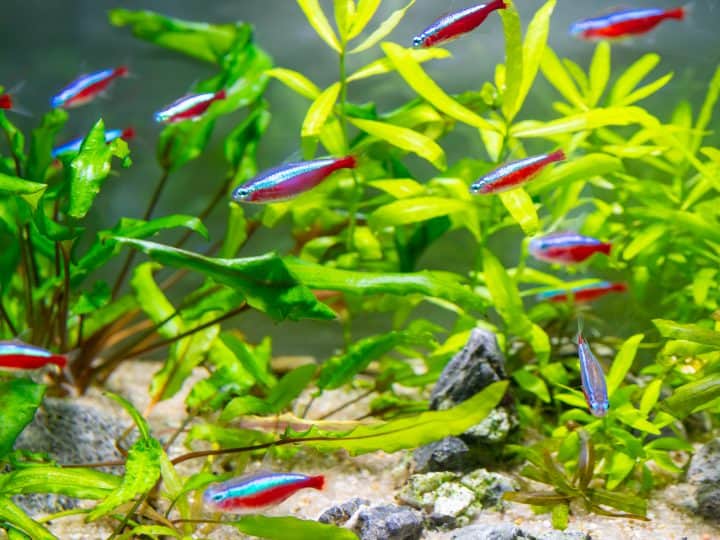
Propagating aquarium plants via cuttings is a common and effective method for increasing the number of plants in your tank. This technique involves taking a piece of a plant and encouraging it to develop roots and new growth. Carefully selecting the right type of cutting and maintaining ideal conditions are crucial for success.The process of cutting propagation relies on the plant’s ability to regenerate from a fragment.
Different plant species exhibit varying degrees of success with this method. Factors such as the plant’s natural growth habit, the health of the parent plant, and the specific conditions provided during propagation all influence the success rate. Understanding the intricacies of cutting types and the ideal conditions will significantly enhance the chances of successful propagation.
Ideal Conditions for Cutting Propagation
Maintaining optimal conditions during the propagation process is essential for successful rooting. These include providing adequate light, maintaining appropriate water parameters, and ensuring the cutting has a suitable environment to establish new roots. The temperature, water quality, and light intensity directly affect the growth rate and success of the rooting process.
Types of Cuttings Suitable for Propagation
Various types of cuttings can be used for propagation, each with its own set of advantages and considerations. Understanding the different types and their suitability for various plant species is key to successful propagation. Appropriate selection will maximize the chances of a healthy and vigorous new plant.
- Stem Cuttings: These cuttings are segments of the plant stem. They are a common and effective method for many aquarium plants, particularly those with a robust stem structure. Many popular aquarium plants, like Java fern and Anubias, readily propagate from stem cuttings.
- Leaf Cuttings: These cuttings involve detaching a leaf or a portion of a leaf from the parent plant. Some plants, such as certain species of cryptocoryne, propagate well from leaf cuttings, while others may not be as amenable to this method.
- Root Cuttings: These cuttings involve taking a section of the plant’s root system. This method is less common for aquarium plants compared to stem or leaf cuttings, as the root systems are often more fragile. Some specialized plants might benefit from this method.
Success Rates of Different Cutting Types
The success rate of a cutting depends heavily on the plant species and the type of cutting. For example, stem cuttings from robust plants like Java fern tend to have higher success rates than leaf cuttings from delicate species.
Specific Steps Involved in Cutting Propagation
The following table Artikels the general steps involved in cutting propagation, including examples of plant species that are well-suited to each method.
| Cutting Type | Plant Species Examples | Steps |
|---|---|---|
| Stem Cuttings | Java Fern, Anubias, Vallisneria | 1. Select a healthy stem cutting, ensuring it has at least a few nodes. 2. Remove any lower leaves to expose the nodes. 3. Place the cutting in a pot with suitable substrate (e.g., propagation mix). 4. Maintain optimal water conditions and provide adequate light. |
| Leaf Cuttings | Cryptocoryne, Hygrophila | 1. Carefully detach a leaf or portion of a leaf from the parent plant. 2. Place the cutting in a pot with suitable substrate or directly on the substrate. 3. Maintain optimal water conditions and provide adequate light. |
| Root Cuttings | Some specialized species | 1. Carefully select a portion of the root system. 2. Place the cutting in a pot with suitable substrate or directly on the substrate. 3. Maintain optimal water conditions and provide adequate light. |
Division Propagation Method
Dividing aquarium plants is a popular and effective method for expanding your aquatic garden. It allows you to create new plants from existing ones, increasing your stock and potentially filling out areas of your tank. This method is particularly well-suited for plants with a rhizomatous or clumping growth habit. It’s a relatively straightforward process that often yields multiple new plants from a single parent.This method involves separating the parent plant into smaller sections, each containing roots and stems, that can then develop into new, independent plants.
This method is ideal for plants with established root systems, and it often preserves the genetic traits of the parent plant. The ideal time for division depends on the specific plant type, but generally, it’s best to divide when the plant is actively growing and healthy.
Ideal Time for Division
Dividing plants should occur when the parent plant is actively growing and robust. This usually coincides with the warmer months and periods of increased light, when the plant is putting energy into new growth. A healthy plant is more likely to produce healthy offspring. Avoid dividing plants that are stressed, diseased, or showing signs of decline.
Steps Involved in Dividing a Plant
Proper division ensures successful propagation. Follow these steps for a successful outcome:
- Carefully remove the plant from the aquarium, ensuring you don’t damage its roots or foliage. Use a net or a small hand-held scoop to minimize disturbance.
- Gently loosen the clump of roots and stems. Use clean, sharp scissors or a sharp knife to carefully divide the plant into smaller sections. Each section should contain at least a few healthy leaves and a substantial root system.
- Thoroughly examine the divided sections. Discard any sections with damaged roots or signs of disease. Ensure each section has a good root base.
- Replant the divided sections into appropriate containers or directly into the aquarium substrate, ensuring the roots are well-buried. Use a suitable substrate that can provide proper support and nutrients for the new plants.
Care for Divided Plants After Propagation
Proper care is crucial for the survival and growth of the new plants.
- Provide a suitable environment. This involves maintaining the correct water parameters (temperature, pH, and hardness) and providing adequate lighting for the new plants.
- Monitor the plants regularly for signs of stress or disease. Address any issues promptly to prevent the spread of problems to other plants.
- Provide adequate fertilization, if needed. Start with a low dose of fertilizer, and gradually increase the amount as the plants grow.
Examples of Plants Suitable for Division
The following table illustrates various aquarium plants amenable to division, along with the procedures for each:
| Plant Type | Procedure |
|---|---|
| Anubias | Carefully separate rhizomes (root stems) with small roots attached. Replant in the desired location. |
| Java Fern | Separate rhizomes and small root clumps from the parent plant. Ensure each division has roots. Replant in the substrate. |
| Cryptocoryne | Divide the rhizomes into smaller sections, each containing several stems. Replant in the substrate. Ensure the rhizomes are well-buried. |
| Water Sprite | Separate the stems with roots into new plants. Ensure the roots are firmly planted in the substrate. |
Layering Propagation Method
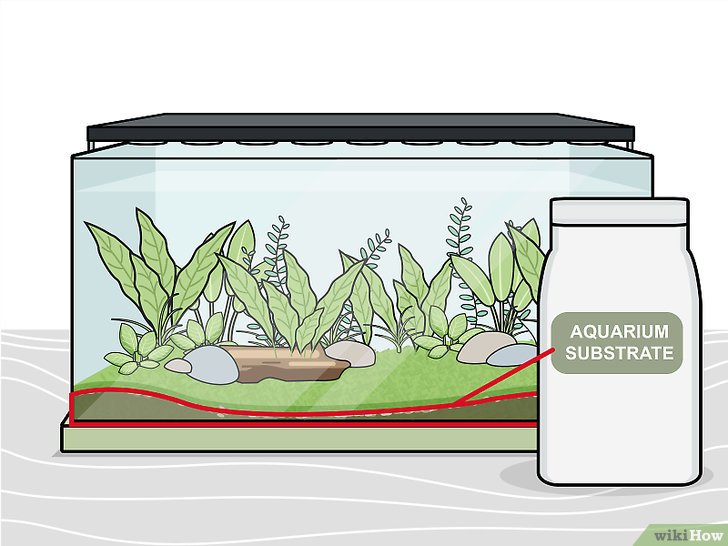
The layering propagation method is a valuable technique for propagating aquarium plants, enabling the development of new plants from existing stems or branches. It involves encouraging root growth on a portion of the plant stem while it’s still attached to the parent plant. This method is particularly effective for plants with flexible stems that can be easily bent and secured.
This technique is less disruptive to the parent plant compared to other methods, often resulting in a higher survival rate for the new plantlets.
Suitable Plants for Layering
Certain aquarium plants lend themselves well to layering. Plants with flexible stems and a tendency to grow outward or downward, such as certain species of pothos, are ideal candidates. Examples include many types of creeping or trailing plants, as well as some varieties of ferns and vines. The success of layering depends on the plant’s natural growth habit and its ability to produce roots from the stem.
Layering Techniques
Several layering techniques can be employed, each with its own nuances.
- Simple Layering: This method involves bending a stem of the plant down to the substrate and securing it in place. The buried portion of the stem will develop roots, forming a new plant. This technique is suitable for plants with flexible stems that can be easily bent. The buried section of the stem needs to be completely submerged in the substrate to encourage root development.
- Tip Layering: In this method, the tip of a stem is bent down and buried. The buried portion will develop roots. This method is especially suitable for plants with stems that naturally grow downward, or those that can be gently guided. The buried portion of the stem should be consistently moist to facilitate root development.
- Air Layering: This technique is particularly useful for plants that are difficult to propagate by other methods. A portion of the stem is wounded to encourage root development, which occurs in the air. Once roots have developed, the rooted section is then planted into the substrate. The wound needs to be protected from excessive drying to ensure optimal root growth.
Steps Involved in Layering Propagation
- Selection: Carefully select a healthy stem or branch of the desired length and flexibility. A strong, healthy portion of the stem will have a higher chance of success.
- Preparation: Gently bend the chosen stem down to the substrate, ensuring a portion is buried in the soil. Use rooting hormone (optional but recommended) to encourage faster root growth. Secure the stem in place using small stones, gravel, or plant clips.
- Maintenance: Regularly monitor the buried portion of the stem for root development. Ensure the soil remains moist but not waterlogged.
- Separation: Once roots have developed on the buried stem, it can be separated from the parent plant. Carefully cut the stem below the rooted section.
- Planting: Replant the newly developed plantlet into a suitable aquarium environment. A pot with well-draining soil is suitable.
Factors Influencing Success
The success rate of layering propagation depends on several factors. The health of the parent plant, the suitability of the chosen stem, and the proper maintenance of the propagating environment are all crucial elements for successful rooting. Consistent moisture levels and appropriate lighting are essential. Additionally, the type of aquarium substrate used can affect the rooting process.
Materials Needed for Layering
| Material | Description |
|---|---|
| Healthy plant stem/branch | The starting material for propagation. |
| Rooting hormone (optional) | Enhances root development. |
| Small stones/gravel/plant clips | Used to secure the stem in place. |
| Sharp knife/scissors | For cutting the rooted section from the parent plant. |
| Moist substrate | Provides moisture for root development. |
Spore Propagation Method
Spore propagation, while less common than other methods, is a viable option for certain aquarium plants. It relies on the reproductive spores produced by the plant, rather than vegetative parts. This method is often more challenging than other methods, but rewards successful propagators with new, genetically identical plants.Spore propagation is particularly useful for species that do not readily propagate via cuttings or division.
The spores, often microscopic, are dispersed and germinate under specific conditions. Understanding these conditions is critical for successful spore propagation.
Types of Plants Propagated by Spores
Many aquatic plants reproduce through spores, which are microscopic reproductive units. These spores can be dispersed by water currents or other means. Species like certain ferns and some mosses are prime examples of plants that reproduce using spores. Some specific aquarium plants, while less common than those mentioned, also propagate via spores.
Spore Germination Process
The germination process for spores involves several key steps. First, the spores need a suitable medium for germination, typically a mixture of water and a nutrient-rich substrate. The spores will then absorb water and swell, eventually developing into a seedling. The exact conditions vary depending on the plant species.
Step-by-Step Demonstration
- Preparation: Acquire a suitable container and fill it with a mix of water and a nutrient-rich substrate, mimicking the natural environment of the plant species. This medium provides the necessary nutrients and moisture for germination.
- Spore Collection: Carefully collect the spores from the parent plant. The spores are often released in large quantities and can be gathered using a fine-mesh sieve or a small container. Proper handling is essential to avoid damaging the spores.
- Spore Placement: Gently scatter the spores evenly over the substrate in the prepared container. Ensure that the spores are not overcrowded; sufficient space is vital for proper germination.
- Environmental Control: Maintain optimal conditions for spore germination. Factors such as temperature, light, and water quality are critical. Observe the species-specific requirements and adjust accordingly.
- Monitoring and Care: Regularly monitor the growth of the seedlings. Provide appropriate light, water, and nutrients as needed. Early signs of growth can vary, depending on the specific plant type.
Comparison of Success Rates
The success rate of spore propagation can vary greatly depending on several factors, including the species of plant, the accuracy of environmental conditions, and the quality of the spores themselves. Maintaining ideal conditions increases the likelihood of successful germination and seedling development.
Spore Propagation Table
| Step | Description | Materials Required |
|---|---|---|
| 1 | Prepare the container and medium | Container, nutrient-rich substrate, water |
| 2 | Collect spores from the parent plant | Fine-mesh sieve, small container |
| 3 | Scatter spores evenly on the substrate | None |
| 4 | Maintain optimal environmental conditions | Appropriate lighting, temperature control, water quality monitoring |
| 5 | Monitor and care for the seedlings | Appropriate nutrient supplementation |
Environmental Factors Affecting Propagation

Propagating aquarium plants successfully hinges on creating an environment that mimics their natural conditions. Understanding and controlling key environmental factors like water parameters, lighting, and CO2 levels is crucial for successful plant growth and propagation. These factors significantly influence the plant’s ability to thrive and reproduce.Environmental factors play a pivotal role in the propagation process. Just as a human needs proper nutrition, water, and rest to flourish, aquarium plants require specific conditions to successfully reproduce.
These environmental factors dictate the rate of growth, the overall health of the plants, and their capacity to produce new growth.
Water Parameters in Propagation
Water parameters, including pH, hardness, and nutrient levels, directly impact the plant’s ability to absorb essential nutrients. Optimum water conditions ensure healthy root development and nutrient uptake, vital for the propagation process. This in turn leads to robust new growth and increased propagation success rates.
- pH: The ideal pH range for most aquarium plants falls between 6.5 and 7.5. Variations in pH can affect nutrient availability, making it difficult for the plant to absorb essential elements for growth and propagation.
- Hardness: Water hardness, often measured in degrees of general hardness (GH), influences the availability of essential minerals. Optimal hardness varies depending on the plant species, but generally, moderate hardness is favorable for most aquarium plants.
- Nutrient Levels: Essential nutrients like nitrates, phosphates, and potassium are critical for plant growth and propagation. Maintaining adequate nutrient levels in the water is essential to support the plants’ metabolic processes during propagation.
Lighting in the Propagation Process
Adequate lighting is crucial for photosynthesis, which is the foundation of plant growth. Sufficient light provides the energy plants need to convert carbon dioxide into sugars and starch, essential for their overall development and propagation. This process fuels the plant’s growth, reproduction, and the development of new stems, leaves, and roots.
- Light Intensity: The intensity of light directly correlates with the rate of photosynthesis. Insufficient light can hinder growth and propagation. Higher light intensity typically leads to faster growth and more vigorous propagation.
- Light Duration: The duration of light exposure influences the plant’s growth cycle. Plants generally require a specific number of hours of light per day to thrive. Adjusting light duration can influence propagation rates.
- Light Spectrum: The spectrum of light emitted affects the plant’s ability to absorb the necessary wavelengths for photosynthesis. Specific light wavelengths support the plant’s various metabolic processes, including propagation.
CO2 Levels in Propagation
Carbon dioxide (CO2) is a vital component of photosynthesis. Higher CO2 levels generally lead to enhanced plant growth and propagation. Providing sufficient CO2 levels is critical to ensure the plant has the necessary raw materials for photosynthesis.
- CO2 Uptake: Plants absorb CO2 from the water through their leaves. Adequate CO2 levels ensure a constant supply of this essential nutrient, supporting efficient photosynthesis and promoting propagation.
- CO2 Supplementation: In many cases, CO2 supplementation is required to maintain optimal levels for propagation in aquarium environments. This can be achieved through CO2 injection systems, ensuring sufficient levels for the plants.
Optimal Environmental Conditions for Propagation
| Factor | Importance | Optimal Level(s) |
|---|---|---|
| Water pH | Affects nutrient absorption and plant health | 6.5 – 7.5 |
| Water Hardness (GH) | Influences mineral availability | Moderate, depending on the plant species |
| Nutrient Levels (nitrates, phosphates, potassium) | Essential for growth and development | Adequate levels, specific to the plant species |
| Light Intensity | Drives photosynthesis | Sufficient for the specific plant species |
| Light Duration | Influences growth cycle | Specific to the plant species |
| Light Spectrum | Supports photosynthesis | Spectrum suitable for the plant species |
| CO2 Levels | Crucial for photosynthesis | High enough to support healthy growth, possibly supplemented |
Post-Propagation Care
Successfully propagating aquarium plants is a significant step, but ensuring their survival and healthy growth afterward is equally crucial. Post-propagation care focuses on providing the optimal environment for newly established plantlets to thrive and adapt to their new surroundings. This involves careful attention to nutrition, monitoring growth, and proactive measures to prevent common issues.
Nutrition for Newly Propagated Plants
Proper nutrition is paramount for healthy plant growth, particularly in the initial stages following propagation. Newly propagated plants often have limited reserves and require a readily available source of nutrients to support root development and overall growth. Fertilizers designed for aquarium plants are crucial in providing essential macro and micronutrients. Using a balanced liquid fertilizer formulated for aquatic plants, applied according to the manufacturer’s instructions, is recommended.
Maintaining a stable nutrient level is vital to avoid sudden growth spurts or deficiencies that can hinder development.
Monitoring Growth and Adjusting Care
Regular observation of the propagated plants is essential for identifying potential issues and making necessary adjustments to their care. Growth rate, leaf color, and overall vigor provide valuable clues to the plant’s health and nutritional needs. If growth appears stunted, or leaves show signs of discoloration, adjustments to the fertilizer schedule, water parameters, or lighting may be required.
For example, a lack of consistent growth might indicate insufficient light, while yellowing leaves could signal a nitrogen deficiency. Adjustments should be made gradually, observing the response and making further modifications as needed.
Preventing Common Issues in Post-Propagation Care
Several issues can arise during post-propagation care. Addressing these issues promptly can prevent setbacks and ensure healthy growth. For example, overfeeding can lead to algae blooms, while inadequate lighting can result in weak growth. Overcrowding in the tank can limit access to nutrients and light, causing stunted growth. Regular monitoring, proper water changes, and appropriate nutrient levels are key to mitigating these problems.
Post-Propagation Care Steps and Common Issues
| Care Step | Details | Common Issue | Solution |
|---|---|---|---|
| Regular Water Changes | Replace a portion of the tank water with fresh, dechlorinated water to maintain water quality and remove excess nutrients. | Accumulation of toxins and excess nutrients. | Perform weekly water changes of 25-50% of the tank water. |
| Appropriate Lighting | Provide adequate lighting for photosynthesis. | Insufficient light, leading to slow growth or pale leaves. | Adjust lighting intensity and duration based on the plant’s requirements. |
| Consistent Fertilization | Maintain a stable nutrient supply. | Nutrient deficiency, leading to yellowing or stunted growth. | Use a balanced liquid fertilizer, following the manufacturer’s instructions. |
| Regular Observation | Inspect plants for any signs of disease, pest infestation, or unusual growth patterns. | Disease or pest infestation, leading to plant decay or death. | Isolating affected plants, treating with appropriate remedies. |
| Avoid Overcrowding | Ensure enough space for the propagated plants to grow without being crowded. | Stunted growth and reduced vigor due to lack of space and light. | Replant the propagated plants into larger tanks or separate them if necessary. |
Troubleshooting Propagation Issues
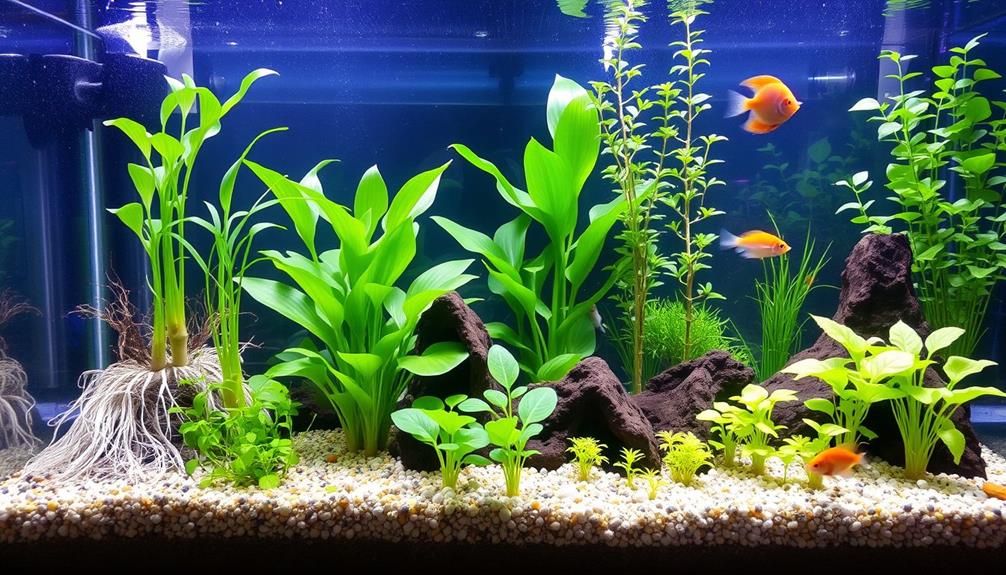
Propagating aquarium plants can be a rewarding experience, but it’s not uncommon to encounter challenges. Understanding the potential problems and their solutions is crucial for success. This section will guide you through common propagation issues, their underlying causes, and effective solutions. By identifying and addressing these problems promptly, you can significantly improve your chances of successful plant propagation.
Identifying Common Propagation Problems
Several factors can hinder the propagation process, impacting the health and growth of new plantlets. Recognizing these problems early is vital for effective intervention and preventing further setbacks. A careful observation of the cuttings or divisions, alongside understanding the environmental conditions, can help pinpoint the cause of the issue.
Root Rot
Root rot is a prevalent problem in propagation, often resulting from improper conditions. Excessive moisture, inadequate drainage, and poor substrate quality can lead to fungal infections that destroy the roots. This leads to reduced nutrient absorption, hindering growth and causing the plant to wilt or decay.
Insufficient Light
Adequate light is essential for photosynthesis, the process by which plants convert light energy into usable energy. Insufficient light can result in slow growth, pale or yellowish leaves, and overall stunted development in propagated plants. The specific light requirements will vary based on the plant species.
Nutrient Deficiencies
Propagation often requires specific nutrients to support the rapid growth of new plants. Nutrient deficiencies, particularly in nitrogen, phosphorus, and potassium, can manifest as stunted growth, discoloration of leaves, and decreased vigor. The type of nutrient deficiency can often be determined by the specific patterns of leaf discoloration or growth abnormalities.
Pest Infestations
Insects and other pests can infest propagated plants, causing damage to leaves, stems, and roots. This can result in slow growth, wilting, and a general decline in plant health. Identifying the pest is critical for selecting the appropriate control method.
Table of Common Propagation Issues, Causes, and Solutions
| Propagation Issue | Causes | Solutions |
|---|---|---|
| Root Rot | Excessive moisture, poor drainage, inappropriate substrate | Improve drainage, use well-draining substrate, reduce watering frequency, ensure proper aeration around the roots. |
| Insufficient Light | Low light intensity, insufficient duration of light exposure | Provide adequate lighting, increase light exposure, or consider supplemental lighting. |
| Nutrient Deficiencies | Lack of essential nutrients in the substrate, or imbalanced nutrients | Fertilize with a balanced liquid fertilizer, or use a nutrient-rich substrate. |
| Pest Infestations | Presence of insects or pests, inadequate hygiene | Identify and treat pests using appropriate methods, such as insecticidal soap or neem oil. Ensure proper sanitation to prevent re-infestation. |
Addressing Propagation Issues Effectively
Early detection of issues is paramount to effective intervention. By monitoring the plants regularly and understanding the underlying causes, you can take appropriate steps to mitigate the problem and promote healthy growth. Consistency in monitoring and adjusting the propagation environment is crucial for success.
Choosing the Right Propagation Method
Selecting the appropriate propagation method is crucial for successful plant growth. Different methods cater to various plant types and characteristics, impacting the overall success rate. Careful consideration of factors like plant type, growth habit, and desired outcome ensures optimal results.Understanding the strengths and weaknesses of each propagation technique is essential. This knowledge allows aquarists to make informed decisions that maximize their chances of success.
Different plants respond differently to various propagation methods, and a tailored approach is key to achieving the best possible outcomes.
Factors Influencing Propagation Method Selection
Several key factors influence the choice of propagation method. Plant characteristics play a significant role, as certain methods are more suitable for specific plant types. Growth habits, such as whether a plant is rooted, creeping, or upright, affect the most effective propagation strategy. Furthermore, the desired outcome, such as the quantity of new plants or their characteristics, is another important consideration.
Comparison of Propagation Methods
The table below highlights the suitability and advantages of each propagation method.
| Propagation Method | Suitability | Advantages | Disadvantages |
|---|---|---|---|
| Cuttings | Ideal for plants with easily-propagated stems, such as many aquatic plants. | Relatively simple and inexpensive; rapid propagation for large numbers of plants. Often results in vigorous new plants. | May not be suitable for all plants; success rate can vary depending on the plant type. Some plants require specific treatment (e.g., rooting hormone) to encourage rooting. |
| Division | Best for plants with well-developed root systems that can be easily separated, such as clumps of Java moss or Anubias. | Efficient for replicating existing plants; relatively quick method. Preserves the genetic characteristics of the parent plant. | Requires careful handling to avoid damaging the root system; not suitable for plants with delicate root systems. |
| Layering | Suitable for plants that readily form roots along stems when in contact with the substrate, such as certain types of creeping plants. | Preserves the genetic characteristics of the parent plant. Often simple to perform. | Can take longer to propagate than other methods; may not be suitable for all plant types. |
| Spore Propagation | Specifically for plants that reproduce through spores, such as ferns and certain mosses. | Useful for propagating plants that produce spores. Creates genetically diverse offspring. | Often requires specialized conditions (humidity, light) and can be a slower method than other propagation methods. |
Choosing the Right Method for Specific Plant Types
A critical aspect of successful propagation is understanding which method aligns best with the specific plant species. For instance, a plant with a creeping habit, like some types of moss, might be ideally propagated through layering. Alternatively, plants with easily detachable stems, such as certain stem plants, are best propagated by cuttings. A thorough understanding of the plant’s characteristics is paramount to choosing the appropriate technique.
Advantages and Disadvantages of Each Method
Each propagation method presents its own set of advantages and disadvantages, which must be carefully considered. Cuttings, for example, offer a quick and relatively simple way to multiply plants. However, not all plants respond well to this method. Division, on the other hand, is effective for replicating existing plants but might not be suitable for plants with fragile root systems.
Careful consideration of these pros and cons will greatly influence the success of the propagation process.
Last Recap
In conclusion, this guide provides a thorough understanding of propagating aquarium plants. By mastering the various techniques and understanding the environmental factors involved, you can cultivate a flourishing and diverse aquarium ecosystem. From cuttings and divisions to layering and spores, the choice of method depends on the specific plant species and your preferences. Remember, consistent care and attention to detail are key to successful propagation.