Proper feeding is crucial for the health and well-being of your tropical fish. This comprehensive guide will walk you through everything from selecting the right food to establishing a healthy feeding schedule. Understanding the diverse nutritional needs of different fish species is key to providing them with the best possible care.
We’ll explore various food types, including flakes, pellets, frozen, and live options, analyzing their nutritional profiles and suitability for different species. This includes a detailed comparison table to help you make informed choices. We’ll also delve into feeding frequency, portion sizes, and common mistakes to avoid, ensuring your fish receive the right amount of nourishment at the optimal times.
Different Types of Tropical Fish Food
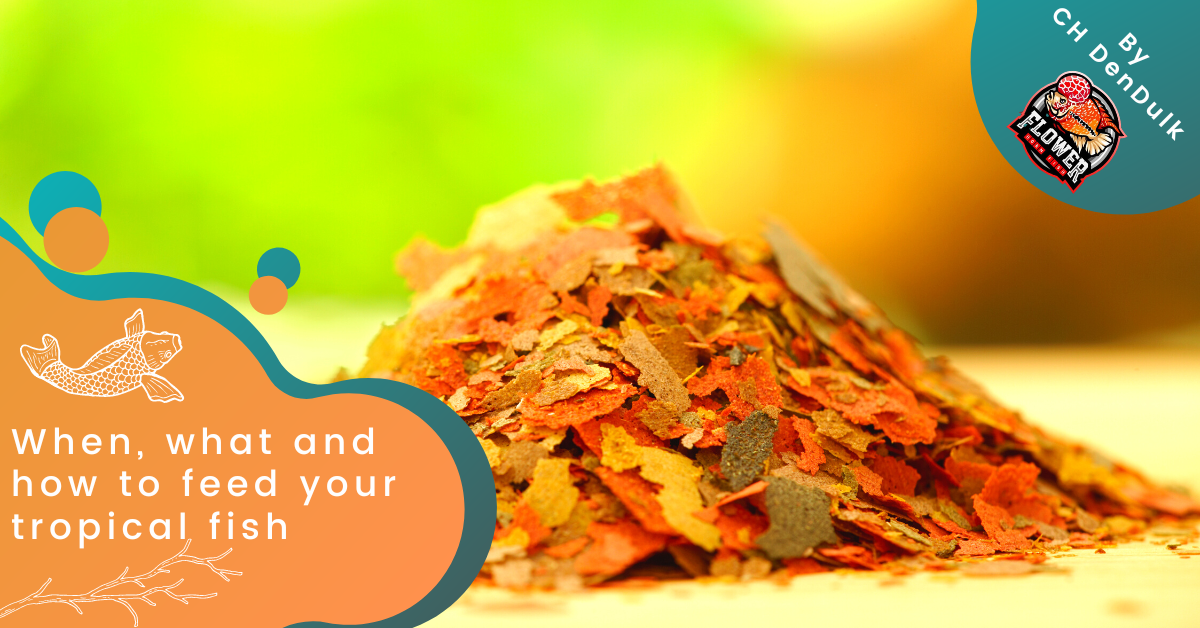
Tropical fish, like all living creatures, require a balanced diet to thrive. Providing appropriate nutrition is crucial for their health, vibrant coloration, and overall well-being. Understanding the various types of fish food available and their specific nutritional profiles is essential for responsible fishkeeping. Different species have varying dietary needs, and choosing the right food can significantly impact the health and happiness of your aquatic companions.
Flakes
Flakes are a common and readily available fish food option. They are typically manufactured from a mixture of fishmeal, plant-based ingredients, and various additives to provide essential nutrients. Flakes are convenient for their ease of use and affordability. However, the nutritional value can vary significantly depending on the brand and ingredients. Some flakes are formulated with specific nutritional needs in mind, such as for breeding or growing fish.
Pellets
Pellets offer a more concentrated source of nutrition compared to flakes. They are often formulated with a higher protein content and a more balanced nutritional profile, leading to potentially better growth and coloration. Pellets also tend to sink more readily, preventing uneaten food from floating on the surface and contributing to water quality issues. Their slightly higher cost is often offset by the potential for greater efficiency in feeding.
Frozen Foods
Frozen foods, including frozen bloodworms, brine shrimp, and daphnia, provide a more natural and nutritious alternative to processed foods. They often contain a higher concentration of essential vitamins and minerals. These foods can also be a valuable source of animal protein and fats, mimicking the natural diet of many tropical fish. However, proper handling and storage are crucial to prevent bacterial growth and maintain food quality.
Live Foods
Live foods, such as daphnia, mosquito larvae, and bloodworms, provide the most natural and complete nutritional profile for many tropical fish. They offer a higher level of protein, vitamins, and minerals than other food types. Live foods also stimulate the natural feeding instincts of fish. However, maintaining live food cultures can be challenging and requires specific conditions to ensure their health and avoid introducing diseases to the aquarium.
Nutritional Comparison
| Food Type | Protein (%) | Fat (%) | Vitamins | Minerals |
|---|---|---|---|---|
| Flakes | 20-30 | 5-10 | A, D, E, K, B-complex | Calcium, Phosphorus, Iron, Iodine |
| Pellets | 30-40 | 10-15 | A, D, E, K, B-complex | Calcium, Phosphorus, Iron, Iodine |
| Frozen | 40-60 | 15-25 | High levels of essential vitamins | High levels of essential minerals |
| Live | Variable (high in many species) | Variable (high in many species) | Essential vitamins and minerals | Essential minerals and trace elements |
Note: Values are approximate and can vary depending on the specific brand and type of food. Consult product labels for precise nutritional information.
Dietary Needs of Different Species
Different tropical fish species have varying dietary needs. Some species, such as cichlids, are known to be omnivorous, requiring a diet rich in both plant and animal matter. Others, like some types of tetras, have more specific needs, perhaps favoring small insects or specific types of flakes. Thorough research into the specific needs of each species is important for maintaining their health and well-being.
Providing a diverse diet can help to address the varied nutritional requirements of different fish species.
Feeding Frequency and Amounts
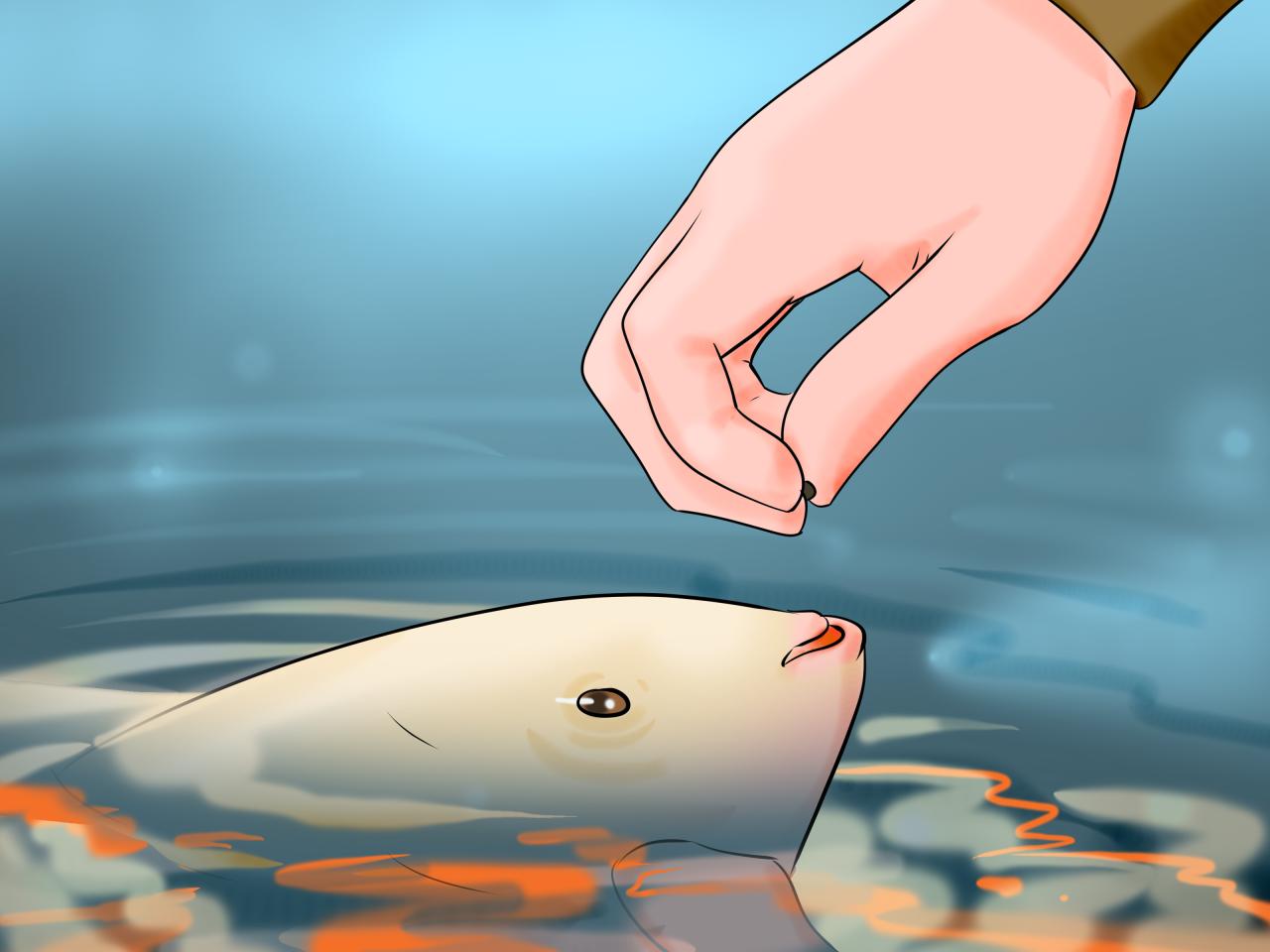
Proper feeding is crucial for the health and well-being of your tropical fish. A consistent and appropriate feeding schedule, tailored to the specific needs of each species, ensures optimal growth, vibrant coloration, and overall vitality. Ignoring these factors can lead to health problems, such as obesity or malnutrition. Understanding the nuances of feeding frequency and portion sizes is essential for maintaining a thriving aquarium environment.Maintaining a balanced diet and appropriate feeding schedule are vital aspects of tropical fish care.
This involves recognizing the specific dietary requirements of each species, considering their size, age, and activity level, and adjusting feeding practices accordingly. Overfeeding, for instance, can quickly lead to water quality deterioration, while underfeeding can result in stunted growth and decreased vitality. A well-planned feeding schedule helps to prevent these issues and promotes a healthy and thriving aquarium ecosystem.
Feeding Schedules for Different Species
A consistent feeding schedule, tailored to each species’ needs, is paramount. Different species have varying metabolic rates, growth stages, and activity levels, influencing their dietary requirements. A carefully considered feeding schedule, adjusted as needed, is key to maintaining optimal health.
Portion Sizes and Feeding Frequency
Determining the appropriate portion size is essential for each feeding session. Overfeeding can lead to water quality issues and potential health problems, whereas underfeeding can result in stunted growth. Feeding in small, frequent portions is generally recommended over a single large meal. This approach mimics the natural feeding habits of many tropical fish and promotes a more balanced digestive process.
Signs of Overfeeding and Underfeeding
Recognizing the signs of both overfeeding and underfeeding is critical for maintaining a healthy aquarium environment. Overfeeding often manifests as uneaten food accumulating at the bottom of the tank, cloudy water, and potentially excessive algae growth. Underfeeding, on the other hand, might be evident in slow growth, dull coloration, and a lack of energy. Observing these subtle cues allows for timely adjustments to the feeding schedule and portion sizes.
Importance of Feeding in Small Portions
Feeding in small, frequent portions is a beneficial practice for tropical fish. This approach closely mimics the natural feeding habits of many species, promoting a more balanced digestive process. This method also helps to maintain water quality by reducing the amount of uneaten food accumulating in the tank. By dividing larger meals into smaller, more frequent portions, you minimize the risk of overfeeding and maintain a healthier aquatic environment.
Recommended Feeding Schedules
| Fish Species | Feeding Frequency | Portion Size | Feeding Time |
|---|---|---|---|
| Betta Splendens (Siamese Fighting Fish) | 1-2 times daily | A small pinch, equivalent to a few flakes | Morning and/or Evening |
| Guppies | 1-2 times daily | A few flakes, ensuring all are eaten within 2-3 minutes | Morning and/or Evening |
| Goldfish | 1-2 times daily | A small handful of flakes or pellets, depending on size | Morning and/or Evening |
| Cichlids (various species) | 1-2 times daily | A small portion, ensuring all are eaten within 2-3 minutes | Morning and/or Evening |
| Angel Fish | 1-2 times daily | A small amount of pellets or flakes | Morning and/or Evening |
Feeding Techniques and Equipment
Proper feeding techniques are crucial for maintaining the health and well-being of tropical fish. A well-executed feeding routine minimizes stress on the fish, promotes balanced growth, and ensures that every fish receives adequate nutrition. This section will detail optimal feeding practices, highlight the use of various tools, and emphasize the importance of water quality and avoiding overfeeding.Feeding techniques should be tailored to the specific needs of different fish species.
Some species are more active feeders than others, requiring more strategic feeding approaches. Understanding the behavior and natural feeding habits of your fish can greatly enhance the effectiveness and enjoyment of the feeding process.
Proper Feeding Techniques
A crucial aspect of feeding tropical fish is ensuring that all individuals receive food. Aggressive or faster fish may consume food before slower or less assertive fish can reach it. To mitigate this issue, feed in a way that allows all fish to access the food. This can involve slowly introducing food into the tank or using feeding tools that distribute the food more evenly.
Feeding Tools
Various tools can enhance the feeding process and ensure equitable food distribution.
- Feeding tweezers allow for precise targeting of food, preventing food waste and ensuring specific fish receive nutrition. This is particularly helpful for delicate or smaller fish that may have difficulty consuming larger pieces of food.
- Automatic feeders are beneficial for ensuring a consistent feeding schedule, reducing the potential for overfeeding, and eliminating the need for daily manual feeding.
Water Quality Considerations
Maintaining optimal water quality is paramount during feeding. Food particles that are not consumed can decompose, leading to a decline in water quality and potentially harming the fish. Regular water changes and proper filtration are essential to prevent this. A well-maintained aquarium environment will provide a healthy and stress-free environment for the fish to consume and digest their food.
Avoiding Overfeeding
Overfeeding can lead to several detrimental consequences. Uneaten food decomposes, leading to ammonia spikes, and negatively impacting water quality. This can result in stress, illness, and even death for the fish. Feeding only the amount your fish can consume in a few minutes is crucial to prevent this issue. Monitoring feeding behavior and adjusting portions accordingly is essential for long-term fish health.
Feeding Stations
A dedicated feeding station can greatly improve feeding efficiency and ensure equitable distribution of food.
A feeding station typically involves a section of the aquarium with a shallow depression or a piece of floating equipment designed to hold the food. This area of the tank can be separated from the main body, allowing for controlled feeding and preventing uneaten food from dispersing throughout the entire tank. A feeding station can be designed using a section of a large rock, a shallow dish, or a floating feeding platform.
This localized feeding area allows you to target feeding, making it easier to monitor food consumption and adjust feeding quantities as needed.
Advantages of a Feeding Station:
- Reduced water contamination: Uneaten food is contained, minimizing the negative impact on water quality.
- Improved feeding efficiency: Fish are directed to a specific location, making feeding more controlled and easier to monitor.
- Enhanced observation: Observing feeding patterns becomes easier, allowing for better monitoring of fish health and adjustments to feeding schedules.
Feeding Specific Needs
Meeting the specific dietary needs of tropical fish is crucial for their health and well-being. Different fish have varying nutritional requirements, and understanding these needs is essential for maintaining a thriving aquarium environment. Factors such as age, health conditions, and reproductive status influence the type and amount of food provided.Proper feeding caters to the individual needs of each fish, promoting optimal growth, coloration, and overall vitality.
A well-rounded approach ensures the fish receive the necessary nutrients for maintaining their physical and mental well-being.
Feeding Fish with Health Conditions
Fish with illnesses or injuries often require a modified diet. Consult with a veterinarian or experienced aquarist to determine the appropriate food and feeding schedule for a sick fish. Nutritional supplements may also be necessary to support the healing process. It’s vital to monitor the fish closely for signs of improvement or worsening conditions.
Feeding Pregnant or Spawning Fish
Pregnant or spawning fish have elevated nutritional demands to support egg production and offspring development. A diet rich in protein and essential vitamins is critical during these periods. Specialized spawning foods or high-quality flakes formulated for breeding fish can be used. Observe the fish closely for signs of distress or complications. Providing ample space and hiding places can also contribute to a successful spawning event.
Gradual Dietary Changes
Sudden shifts in diet can cause stress and digestive upset in tropical fish. A gradual transition period is necessary when introducing a new food type. Start by mixing a small amount of the new food with the existing food. Gradually increase the proportion of the new food over several days or weeks. This allows the fish’s digestive system to adjust without causing discomfort.
Preparing Frozen Foods
Frozen foods, such as brine shrimp or bloodworms, are convenient and nutritious options for tropical fish. Before feeding, thaw the food completely. Overly-thawed foods can spoil quickly. Do not feed fish frozen food that has an unusual odor or color. Use tongs or a small fish food scoop to gently introduce the food to the tank.
Proper thawing prevents the potential for spoilage and ensures a palatable and safe meal for your fish.
Handling Live Food
Live food, such as daphnia or microworms, provides essential nutrients and a natural feeding experience for tropical fish. It’s crucial to obtain live food from reputable sources to ensure it is free from parasites or diseases. Always quarantine live food before introducing it to the aquarium to prevent the spread of illness. Use tweezers or a small net to gently introduce the food to the tank.
Observe the fish’s response to live food and adjust feeding frequency as needed.
Common Mistakes and Solutions
Proper feeding is crucial for the health and well-being of tropical fish. Understanding common mistakes and their solutions empowers owners to provide optimal care. Avoiding these pitfalls ensures vibrant fish and a thriving aquarium environment.Many novice fish keepers, despite their best intentions, make errors in feeding practices. These errors, often subtle, can negatively impact the fish’s health, leading to poor growth, illness, or even death.
Recognizing and correcting these mistakes are essential steps toward successful tropical fish ownership.
Overfeeding
Overfeeding is a frequent mistake, often stemming from well-meaning but uninformed feeding habits. Excess food can quickly accumulate at the bottom of the tank, leading to water quality deterioration. This buildup can promote the growth of harmful bacteria, creating an environment ripe for disease. A consistent accumulation of uneaten food also contributes to the depletion of oxygen in the water, jeopardizing the health of the fish.To mitigate overfeeding, adjust feeding frequency and portion sizes.
Begin by reducing the amount of food offered at each feeding. Observe how much is consumed within a few minutes. If substantial amounts remain uneaten, further decrease the portion size for the next feeding. If the fish are still consuming all the food offered within minutes, slowly increase the feeding time interval, perhaps from once a day to every other day, or even less frequently, while keeping the portion size appropriate for the number of fish.
Using Inappropriate Food
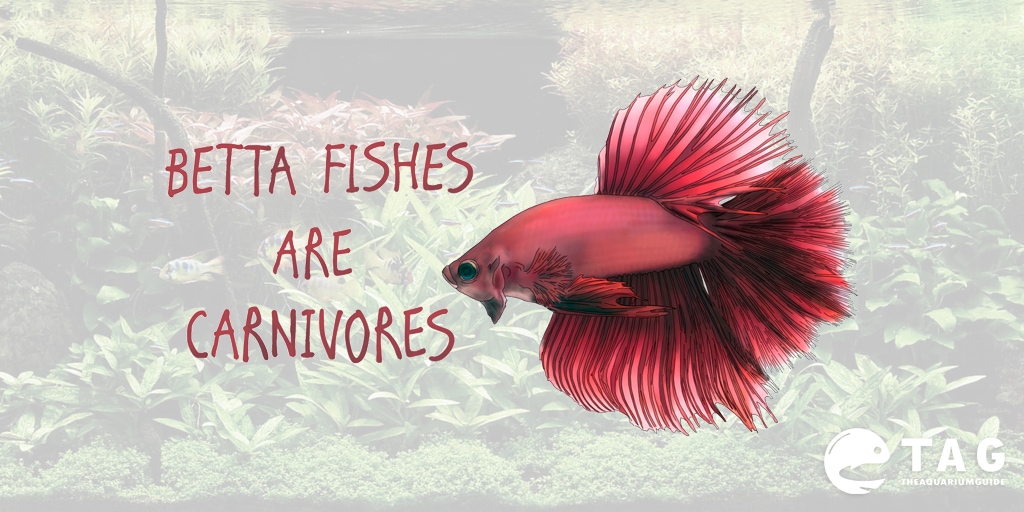
Providing food unsuitable for the specific fish species can lead to malnutrition and digestive issues. Different fish species have unique nutritional requirements. Some are herbivores, requiring plant-based foods, while others are carnivores, thriving on meat-based diets. Feeding a fish food that is not tailored to its specific needs can result in deficiencies or imbalances in their diet.Always select food specifically formulated for the type of fish you have.
Research the dietary needs of your particular fish species. Choose high-quality commercial fish food that is appropriate for their age, size, and species. Consider supplementing with live foods or frozen foods if necessary, but ensure these supplements are also appropriate for the fish’s nutritional needs.
Dealing with Fish That Are Not Eating
A fish that refuses to eat can be a cause for concern. Several factors could be contributing to this issue, ranging from stress to illness. A thorough investigation is crucial.First, ensure the water parameters (temperature, pH, ammonia, nitrite, nitrate) are within the appropriate range for the species. Stressful conditions can deter feeding. Introduce any new fish or decorations gradually.
Next, observe the fish’s behavior closely. Look for signs of illness, such as lethargy, erratic swimming, or visible injuries. If the fish exhibits any of these symptoms, consult a veterinarian specializing in aquatic animals. If the issue persists, consult a veterinarian specializing in aquatic animals. If the issue persists, carefully introduce new foods, offering small portions at a time.
If the fish still does not eat, it is important to consult a qualified veterinarian.
Identifying and Solving Problems with the Feeding Schedule
Inconsistency in feeding schedules can disrupt the fish’s natural feeding patterns. A regular feeding schedule helps to establish a predictable routine, promoting better digestion and overall well-being. This routine is critical for establishing a consistent biological rhythm in their digestive processes.Establish a consistent feeding time each day. Stick to this schedule as closely as possible, even on weekends.
This predictability helps regulate the fish’s metabolism and appetite. Ensure the feeding environment is conducive to proper consumption. Avoid sudden changes in water temperature or lighting that could stress the fish. Regularly monitor the fish’s appetite and adjust the feeding schedule accordingly, keeping a record of observations.
Common Feeding Mistakes and Solutions
- Mistake: Overfeeding.
- Solution: Reduce feeding frequency and portion size.
- Mistake: Using inappropriate food.
- Solution: Choose food suitable for the fish species.
- Mistake: Inconsistent feeding schedule.
- Solution: Establish a regular feeding routine.
- Mistake: Inadequate water quality.
- Solution: Maintain proper water parameters and perform regular water changes.
- Mistake: Introducing stress factors.
- Solution: Minimize environmental disturbances.
Visual Aids and Examples
Visual aids are crucial for effectively communicating complex information about tropical fish care, especially feeding. Clear illustrations, diagrams, and photographs can help readers visualize the process and understand the nuances of different feeding methods. These aids make the learning experience more engaging and memorable, ensuring a deeper understanding of the topic.Visual aids not only showcase the “what” of fish feeding but also the “how” and “why.” They can clarify the best feeding practices, illustrate common mistakes, and guide the reader in creating a healthy and thriving aquarium environment.
This helps avoid common pitfalls and facilitates a better understanding of each step involved in the feeding process.
Proper Feeding Techniques
Visual aids for proper feeding techniques can include diagrams showcasing the correct positioning of feeding equipment, such as feeding tongs or droppers. Illustrate different techniques for feeding various fish species, including targeted feeding in specific areas of the tank and the correct timing of feeding sessions. The visuals should also demonstrate appropriate food portion sizes, avoiding overfeeding, which is a common problem.
Examples include illustrations of a feeding station with appropriate food placement and a fish responding correctly to a feeding stimulus. A diagram illustrating the correct way to use a feeding dropper with a precise amount of food is also important.
Types of Fish Food
Different types of tropical fish food have distinct characteristics, which can be visually represented. Illustrations or photographs of various food types can showcase their shapes, sizes, and colors. Examples include flakes, pellets, frozen foods, and live foods. The visual aids should emphasize the appropriate food type for specific fish species and sizes. A chart comparing different food types, including images of each, can be a useful tool for identifying and choosing the right food for a particular fish.
Feeding Equipment and Stations
Visual representations of feeding equipment are essential. Drawings or photographs of feeding tongs, droppers, and other tools should clearly show their function and proper use. The visual aids should highlight how to create a feeding station within the aquarium, showing appropriate placement of food and the response of fish to the feeding station. For example, a diagram illustrating a feeding station with a designated area for food, avoiding the main tank area, could be included.
Showcasing different types of feeding stations and how they facilitate specific feeding needs would further enrich the visual understanding.
Fish Species Eating Different Foods
Illustrating various fish species consuming different food types is crucial. Photographs or illustrations of specific fish species actively consuming different food types (e.g., flakes, pellets, frozen foods) can effectively demonstrate the proper diet for each species. The images should clearly show the fish actively consuming the food and not just static images of food near the fish. For instance, images of a Betta fish consuming pellets and a Discus fish consuming flakes would clearly showcase the specific needs of each species.
Preparing Frozen Foods
Visual aids are important for demonstrating the preparation of frozen foods. A step-by-step illustration of how to thaw frozen foods, such as brine shrimp or bloodworms, is essential. Images or diagrams showcasing the correct thawing method, ensuring the food is not over-thawed, would also be useful. The process should clearly indicate how to portion the thawed food for feeding the fish, showing appropriate handling to maintain food quality and safety.
A diagram or series of images showing the thawing process, including appropriate water temperatures, can provide a visual guide for fish keepers.
Conclusion
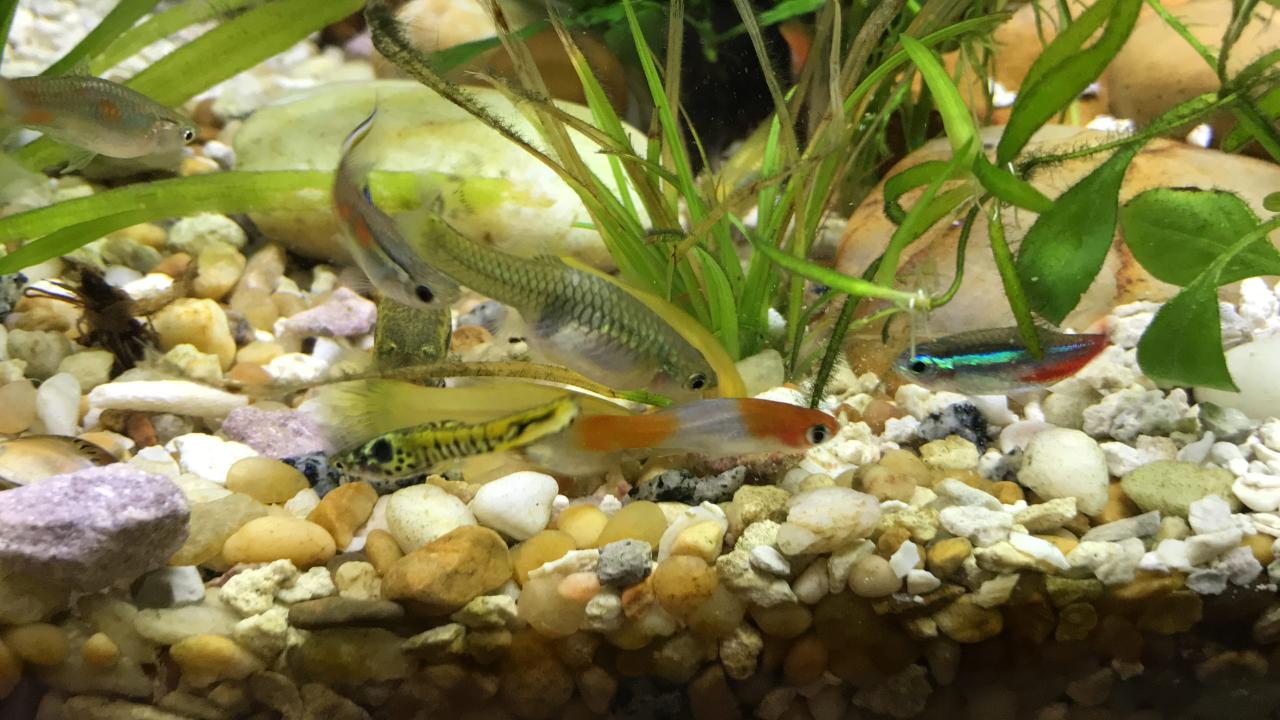
In conclusion, this guide has provided a thorough understanding of tropical fish feeding, covering diverse aspects from food types to feeding techniques and common pitfalls. By carefully considering your fish’s species, age, and specific needs, you can establish a feeding regimen that fosters their health and longevity. Remember, consistency and attention to detail are vital for successful fishkeeping.
With the information provided, you’re now well-equipped to create a thriving aquatic environment for your beloved tropical fish.