Creating a captivating and vibrant underwater world in your aquarium is more achievable than you might think. Natural elements offer a unique aesthetic and can significantly enhance the well-being of your aquatic inhabitants. This guide delves into the art of naturally decorating your aquarium, covering everything from selecting sustainable materials to maintaining a thriving ecosystem.
This comprehensive guide will walk you through the process of transforming your aquarium into a beautiful and functional natural habitat. From choosing the right driftwood and rocks to selecting and maintaining aquatic plants, we’ll cover every crucial step to create a thriving and visually stunning aquarium.
Introduction to Natural Aquarium Decoration
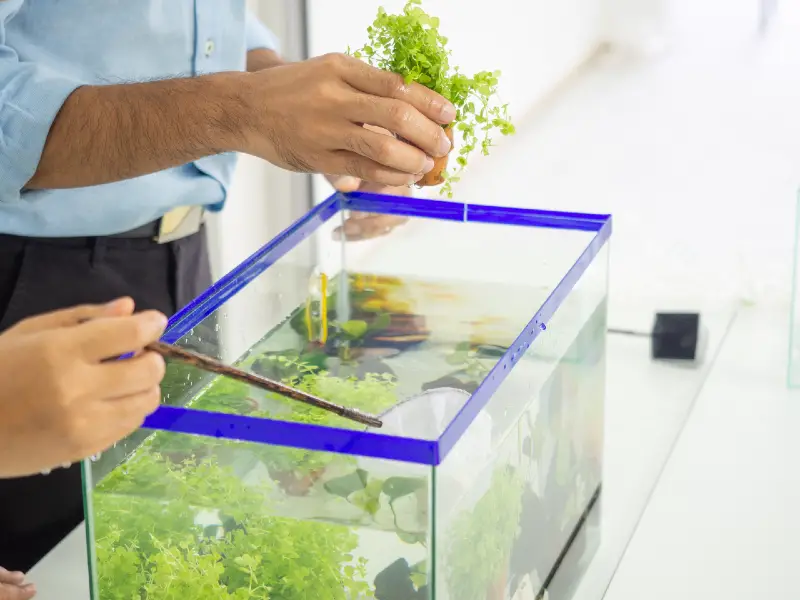
Natural aquarium decoration offers a captivating aesthetic and significant benefits for both the health and well-being of aquatic inhabitants. It provides a more enriching and stimulating environment, mimicking natural habitats and promoting the natural behaviors of fish and other aquatic life. Creating a visually appealing and functional space is crucial for a thriving aquarium ecosystem.Natural elements, carefully selected and maintained, offer a variety of benefits.
They provide hiding places, encourage natural behaviors, and create a more aesthetically pleasing environment for both the observer and the aquatic life. However, it is imperative to understand the specific needs of the chosen materials and the aquarium itself to ensure a harmonious and sustainable ecosystem.
Suitable Natural Materials for Aquariums
Natural materials, when used thoughtfully, can greatly enhance the beauty and appeal of an aquarium. Various options are available, each with unique characteristics and advantages. Driftwood, rocks, and plants are popular choices, each contributing to a diverse and stimulating environment.
- Driftwood, often salvaged from natural environments, adds visual appeal and provides shelter and hiding places for fish. Its unique shapes and textures create a captivating focal point. The varying shades of color, from light browns to deep blacks, are visually striking, enriching the overall aesthetics of the aquarium.
- Rocks, in diverse sizes and shapes, create structure and visual interest. They can provide hiding spots and a sense of security for fish. The different textures and colors add depth and dimension to the aquarium.
- Plants, both aquatic and submerged, bring life and color to the aquarium. They provide essential habitat for aquatic life, and their presence creates a more natural and visually engaging environment.
Considering Aquarium Size and Shape
The size and shape of the aquarium significantly influence the choice and arrangement of natural elements. Large aquariums can accommodate more substantial decorations, allowing for intricate layouts and diverse environments. Conversely, smaller aquariums benefit from smaller, more manageable decorations, promoting a visually appealing yet balanced display. The aesthetic impact of the decorations is directly influenced by the size and shape of the aquarium.
Importance of Proper Maintenance
Maintaining natural aquarium decorations is essential for the health and longevity of the aquarium ecosystem. Regular cleaning prevents the buildup of debris, algae, and other contaminants, ensuring a healthy environment for the inhabitants. Cleaning procedures must be tailored to the specific material to avoid damaging or altering its natural properties.
- Driftwood requires regular cleaning to remove accumulated debris and algae. This can be done with a gentle scrubbing or by soaking the wood in a solution of aquarium-safe cleaning products.
- Rocks should be inspected for algae buildup and cleaned accordingly. The cleaning method should be chosen carefully to avoid damaging the rock structure or harming the aquarium’s inhabitants.
- Plants should be pruned regularly to maintain their aesthetic appeal and health. Removing dead or decaying plant material prevents the buildup of harmful substances in the water.
Comparing Natural Aquarium Decoration Materials
The following table summarizes the benefits, considerations, and maintenance requirements for common natural aquarium decoration materials.
| Material | Benefits | Considerations | Maintenance |
|---|---|---|---|
| Driftwood | Adds visual appeal, provides hiding places, unique textures | Can vary in size and shape, potential for splintering | Regular cleaning to remove debris, potential for leaching tannins |
| Rocks | Creates structure, provides visual interest, various textures and colors | Durability and weight, potential for algae buildup | Inspect for algae buildup and clean regularly, avoid damaging the rocks |
| Plants | Adds life and color, provides habitat, promotes natural environment | Requires specific lighting and nutrient requirements, can overgrow | Regular pruning, removal of dead or decaying material |
Choosing and Preparing Natural Elements
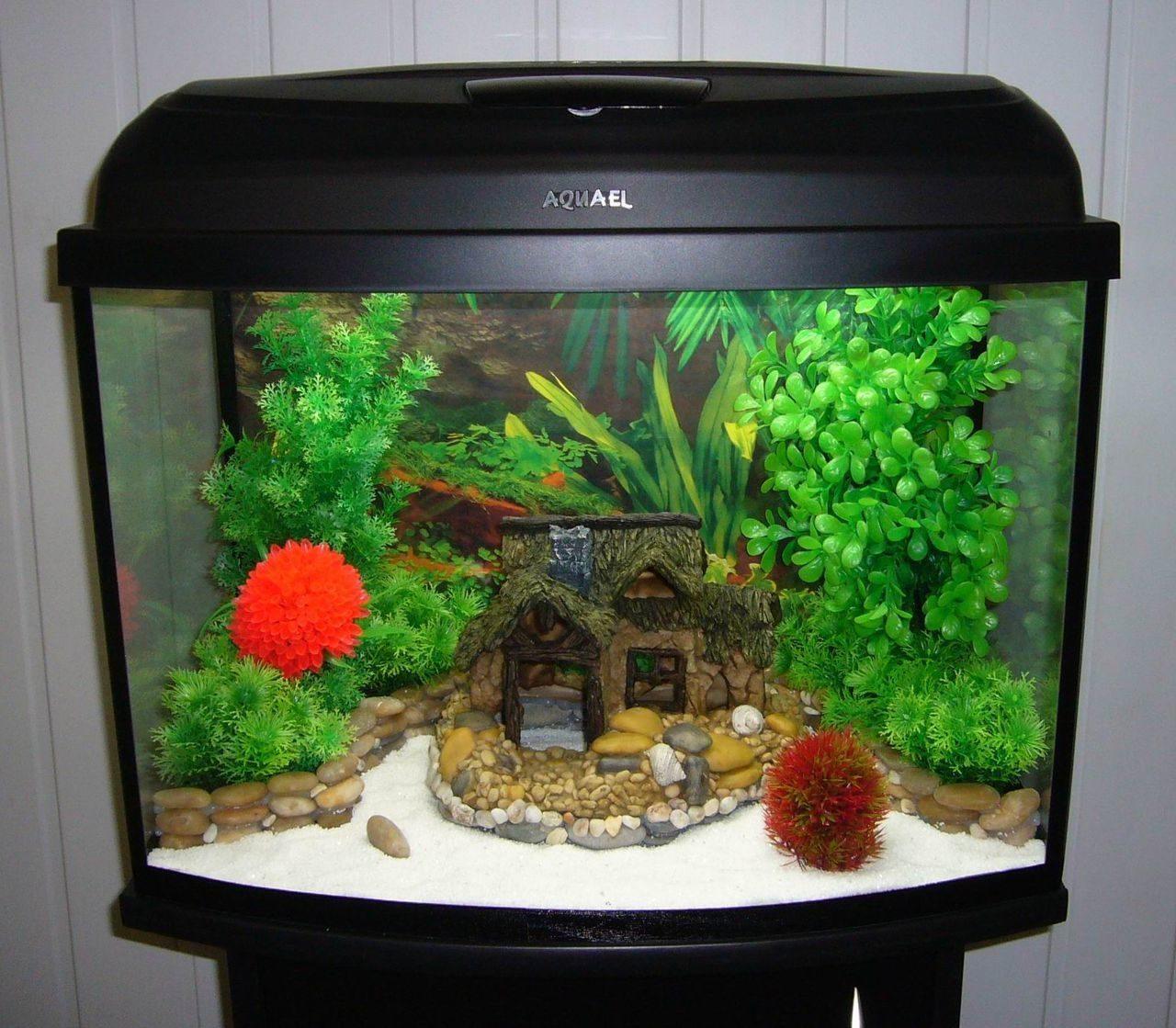
Natural elements like driftwood, rocks, and plants add visual appeal and complexity to an aquarium, mimicking natural habitats. However, careful selection and preparation are crucial to ensure the health and well-being of your aquatic inhabitants. Sustainable sourcing and proper preparation methods prevent potential harm from leaching substances or introducing unwanted organisms.
Sustainable and Ethical Sourcing
Choosing natural elements responsibly is paramount. Sources should prioritize sustainability, ensuring the long-term health of the natural environment. Look for suppliers who employ ethical harvesting practices, minimizing their environmental impact and avoiding the exploitation of natural resources. Avoid materials sourced from endangered or protected areas. Always verify the origin and practices of the supplier to guarantee ethical sourcing.
Support suppliers who prioritize responsible and sustainable practices.
Preparation of Different Natural Materials
Different natural materials require varying preparation methods. Driftwood, rocks, and plants each necessitate unique steps to ensure aquarium compatibility and safety. For example, driftwood, due to its porous nature, often requires extended soaking to remove tannins and prevent staining. Rocks, on the other hand, may need thorough cleaning to remove any adhering debris or organisms.
Cleaning and Sterilizing Natural Decorations
Thorough cleaning and sterilization are essential steps in preparing natural decorations. This process removes dirt, debris, and potential harmful organisms. Soaking in a solution of aquarium-safe bleach or a specialized aquarium cleaner is recommended. Always follow the instructions provided by the manufacturer for safe and effective sterilization.
Preparing Driftwood to Prevent Leaching
Driftwood, particularly untreated varieties, can leach tannins into the water, altering its color and potentially affecting the health of aquatic inhabitants. Proper preparation is essential to mitigate this. Soaking in water for extended periods, changing the water regularly, and using a specialized filter can reduce tannins. Boiling driftwood for a few minutes can help, but this can also impact the wood’s texture.
Consult aquarium resources for optimal soaking times and methods tailored to the specific type of driftwood.
Identifying and Removing Harmful Organisms
Natural elements may harbor unwanted organisms like parasites, bacteria, or algae. Thorough inspection and removal are vital to prevent introducing these into the aquarium environment. A gentle scrubbing or rinsing under running water can dislodge many organisms. Using a soft brush or a specialized aquarium cleaner can aid in removing these organisms from the surfaces.
Step-by-Step Guide for Preparing Driftwood
- Soaking: Immerse the driftwood in a large container of dechlorinated water. Change the water every 1-2 days for the first week, and then weekly thereafter until the water runs clear. This helps leach out tannins and other substances.
- Cleaning: Use a soft brush to remove any dirt, debris, or algae from the driftwood’s surface. Avoid abrasive materials that could damage the wood.
- Sterilization (Optional): If needed, soak the driftwood in a solution of aquarium-safe bleach or a specialized aquarium cleaner. Follow the manufacturer’s instructions for safe and effective sterilization.
- Rinsing: Thoroughly rinse the driftwood under running tap water to remove any residue from the soaking process.
- Final Inspection: Inspect the driftwood carefully for any remaining debris or organisms. Remove any remaining contaminants.
By following these steps, you can ensure that your natural decorations are safe, healthy, and aesthetically pleasing for your aquarium. Remember to prioritize ethical sourcing and proper preparation methods for the well-being of your aquatic community.
Incorporating Natural Elements into the Aquarium Design
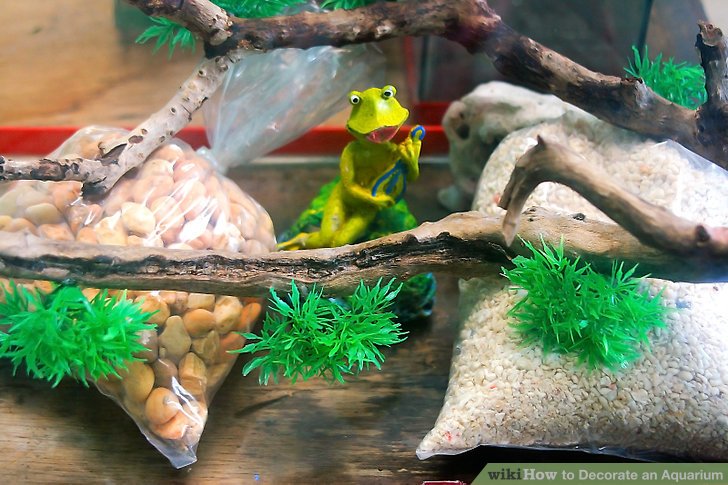
Creating a visually appealing and functional natural aquarium environment hinges on the skillful arrangement of chosen elements. Careful consideration of placement, scale, and the overall aesthetic will greatly influence the success of your design. The incorporation of driftwood, rocks, and plants should be approached as a deliberate composition, mimicking the harmony found in natural ecosystems.
Arranging Natural Elements for Visual Appeal and Functionality
Proper arrangement is crucial for a balanced and aesthetically pleasing aquarium. Consider the size and shape of your aquarium when selecting elements. Larger elements can anchor the design, while smaller ones can add detail and texture. Placement should create a sense of depth and dimension, mimicking the natural progression of the environment. This includes layering the elements to establish different levels and zones, enhancing the visual interest of the aquarium.
The position of lighting also plays a vital role in accentuating the natural elements and highlighting the subtle details of the composition.
Designing a Planted Aquarium with Driftwood and Rocks
A planted aquarium with driftwood and rocks can mimic a miniature forest or stream. The driftwood can be positioned as a central focal point, creating a base for the design. Rocks of varying sizes and shapes can be strategically placed to form natural-looking terrain, including shallow riffles or steeper inclines. Incorporating smaller rocks can provide a sense of texture and add visual interest.
The plants should be selected to complement the driftwood and rocks, enhancing the natural feel and filling in gaps.
Methods for Creating a Natural Landscape
Several techniques can be employed to create a natural-looking landscape in your aquarium. One approach is to mimic a stream or river, with driftwood acting as the banks and rocks creating the rapids or shallows. Another method involves creating a dense forest-like environment, with large driftwood pieces forming the trees and rocks providing a foundation for smaller plants.
Careful observation of natural landscapes can provide inspiration for unique and artistic compositions. The arrangement should prioritize the integration of elements, ensuring a cohesive and natural-looking aesthetic.
Creating a Natural Cave-like Structure
Constructing a cave-like structure in an aquarium can be achieved using various methods. Larger rocks, either naturally occurring or shaped, can be placed together to create a sheltered space. The rocks should be carefully positioned to maximize the visual effect of the cave, while still allowing for adequate water flow and visibility. Consider incorporating a small, hollowed-out rock to mimic a natural cave entrance or opening.
The cave can be further enhanced by adding small plants or moss, creating a sense of depth and dimension.
Integrating Rocks and Driftwood for Depth
Integrating rocks and driftwood to create a sense of depth in the aquarium is essential for a realistic aesthetic. Larger pieces should be positioned in the back, with progressively smaller pieces extending towards the front. The use of contrasting colors and textures can further enhance this illusion of depth. Rocks and driftwood with varying shades of brown, gray, or tan, for example, can effectively create a sense of depth.
Additionally, incorporating different types of driftwood, such as those with intricate patterns or various shades, adds to the overall visual depth and realism.
Establishing Different Levels and Zones
Natural elements can be strategically used to establish different levels and zones within the aquarium. Larger rocks or driftwood can create a background zone, while smaller rocks and plants can form mid-ground and foreground zones. By strategically positioning these elements, you can guide the eye through the aquarium, creating a sense of depth and natural progression. This technique also allows for diverse plant life, creating varied zones that cater to the needs of different aquatic species.
Arrangement Methods for Different Aquarium Types
| Aquarium Type | Arrangement Method | Key Considerations | Visual Effect |
|---|---|---|---|
| Planted | Group plants around natural elements, creating a dense and lush environment | Light and water flow, plant compatibility, and species needs | Lush, natural environment, promoting a thriving ecosystem |
| Community | Incorporate various elements to create different zones for various species | Space, compatibility of different species, and water parameters | Diverse and vibrant environment that caters to the needs of various species |
Selecting and Maintaining Aquatic Plants
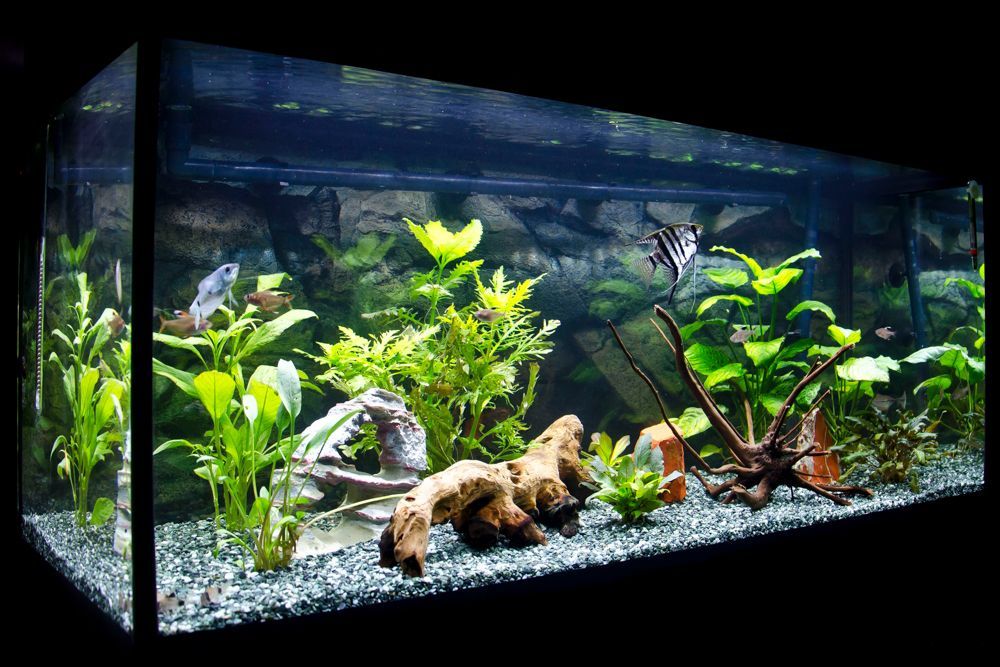
Natural aquariums thrive with the vibrant addition of aquatic plants. They not only enhance the aesthetic appeal but also play crucial roles in maintaining water quality and supporting a thriving ecosystem. Careful selection and diligent maintenance are essential for the long-term health and beauty of these vital components.
Types of Aquatic Plants
A wide array of aquatic plants are suitable for natural aquariums. These include various species of rooted plants, such as Vallisneria, Anubias, and various types of Java ferns. Floating plants like water lettuce and duckweed also contribute to a diverse and visually appealing environment. Choosing the right types can significantly impact the overall aesthetic and balance of the aquarium.
Selecting Plants Based on Water Parameters
It is critical to select plants that are compatible with the specific water parameters of the aquarium. Different species thrive in varying water conditions, including pH levels, hardness, and temperature. For example, some plants prefer soft, acidic water, while others tolerate hard, alkaline water. Mismatched plants may struggle to adapt and could even perish, negatively affecting the overall health of the aquarium.
Planting Techniques
Planting aquatic plants in natural substrates requires careful consideration of the root systems and growth habits of each species. For rooted plants, a well-established substrate is crucial. Properly anchoring the plants will ensure stability and prevent them from becoming uprooted or floating. Utilizing planting aids such as planting mats or small pots can facilitate successful establishment. The substrate itself should be chosen carefully to accommodate the specific needs of the plants.
Plant Maintenance: Pruning and Fertilization
Regular pruning is essential to maintain the aesthetic appeal and overall health of the aquatic plants. Pruning removes dead or decaying plant matter, promoting new growth and preventing the accumulation of organic debris. Regular fertilization is also crucial for supporting healthy plant growth. This can involve using liquid fertilizers specifically formulated for aquatic plants. Proper fertilization, combined with appropriate lighting, ensures robust and vibrant growth.
Common Aquatic Plants and Care Requirements
- Vallisneria: A popular choice for its long, sword-like leaves. It thrives in a range of water parameters, but prefers moderate to high lighting and a well-established substrate. Moderate fertilization is recommended.
- Anubias: Known for their resilience and adaptability. They can tolerate low to moderate light levels. They often attach to rocks or driftwood and don’t require extensive fertilization.
- Java Fern: A low-maintenance option that thrives in various lighting conditions. It typically attaches to hardscape and requires minimal fertilization.
- Water Lettuce: A fast-growing floating plant. It requires ample light and frequent trimming to maintain its aesthetic appeal and prevent excessive growth.
Lighting Requirements for Aquatic Plants
Different types of aquatic plants have varying lighting requirements. Some species, like Vallisneria, thrive under bright, intense lighting, while others, like Anubias, can tolerate lower light levels. The light spectrum is also crucial. Plants require a balance of different wavelengths to promote photosynthesis and healthy growth. The intensity and spectrum of light should be carefully considered to match the specific needs of the plants.
Overlighting or underlighting can negatively affect the growth and health of the aquatic plants. Adjusting lighting based on the plant species and water parameters will help optimize the aquarium’s aesthetic and ecosystem.
Maintaining the Natural Aquarium Environment
Maintaining a thriving natural aquarium environment requires meticulous attention to detail and a deep understanding of the delicate balance between the inhabitants and the water parameters. Proper maintenance ensures the health and longevity of both aquatic plants and animals, fostering a visually appealing and ecologically sound ecosystem within the aquarium. This involves a proactive approach, rather than simply reacting to problems as they arise.
Importance of Water Quality and Parameters
Maintaining optimal water quality and parameters is crucial for the health of the natural aquarium. This encompasses a range of factors, including temperature, pH, ammonia, nitrite, nitrate, and dissolved oxygen levels. Fluctuations in these parameters can severely impact the well-being of the aquatic life, potentially leading to stress, disease, and even death. Consistent monitoring and adjustment are essential to ensure a stable and healthy environment.
Regular Water Changes
Regular water changes are vital for maintaining water quality. They remove accumulated waste products, excess nutrients, and potentially harmful substances. The frequency of water changes depends on factors like the size of the aquarium, the number of inhabitants, and the type of filtration system. A general guideline is to perform partial water changes of 25% to 50% weekly.
This process replenishes essential minerals, reduces the buildup of harmful compounds, and helps to maintain the balance of the ecosystem.
Monitoring and Adjusting Water Parameters
Regular monitoring of water parameters is essential. This can be achieved through the use of test kits, which are readily available and affordable. These kits allow for accurate measurement of ammonia, nitrite, nitrate, pH, and other critical parameters. Adjustments may be necessary to maintain the desired levels. For example, if ammonia levels rise above acceptable limits, immediate action is required to remove the excess.
This often involves a combination of water changes and enhanced filtration.
Controlling Algae Growth
Algae growth can be a significant concern in natural aquariums. Excessive algae can not only detract from the aesthetic appeal but can also lead to imbalances in the ecosystem. Controlling algae growth often involves a multi-faceted approach. This may include reducing nutrient levels in the water, adjusting lighting conditions, increasing the density of beneficial plants, and using appropriate filtration.
Careful observation of the aquarium and its inhabitants is key to identifying and addressing the underlying causes of algae overgrowth.
Preventing and Addressing Overfeeding and Disease
Overfeeding can lead to a buildup of uneaten food and organic waste, creating an environment conducive to harmful bacteria. This can negatively impact water quality and increase the risk of disease. Feeding the correct amount of food, at appropriate intervals, is crucial. Early detection and treatment of diseases are also essential for maintaining the health of the aquarium inhabitants.
Signs of disease, such as lethargy, unusual fin or body shape, or changes in behavior, should be immediately addressed. Consult a veterinarian specializing in aquatic animals for guidance on appropriate treatments.
Step-by-Step Guide for Maintaining a Healthy Natural Aquarium Environment
- Establish a Routine: Establish a weekly or bi-weekly routine for routine maintenance tasks. This will ensure consistency and prevent issues from accumulating. A structured approach will aid in proactive management.
- Regular Water Changes: Perform partial water changes according to the needs of the aquarium. Use dechlorinated water to prevent shock to the inhabitants. This replenishes essential minerals and removes accumulated waste.
- Monitor Water Parameters: Regularly monitor water parameters using test kits. Record results and maintain a log for easy reference. Identify any trends and adjust accordingly.
- Control Algae Growth: Address algae issues proactively through appropriate lighting, nutrient control, and the introduction of beneficial plants.
- Prevent Overfeeding: Feed appropriate portions of food at scheduled intervals. Monitor uneaten food and adjust feeding amounts as needed. Overfeeding can lead to severe imbalances.
- Observe for Disease: Pay close attention to the behavior and appearance of the aquatic inhabitants. Promptly address any signs of disease to prevent its spread.
- Maintain Filtration: Ensure that the filtration system is functioning correctly. Regular cleaning and maintenance are essential.
- Adjust as Necessary: Be prepared to adjust your approach based on observations and the specific needs of your aquarium.
Considerations for Different Aquarium Inhabitants
A well-designed natural aquarium caters not only to aesthetic appeal but also to the specific needs of its inhabitants. Understanding the diverse preferences of different fish species is crucial for maintaining a thriving and enriching environment. This section explores how to select appropriate natural elements, create suitable habitats, and observe the impact of these elements on the behavior of various fish.Careful consideration of the specific needs of each species is essential for their overall well-being and ensures a healthy, balanced aquarium ecosystem.
Choosing the right natural elements can greatly enhance the quality of life for your aquatic pets.
Selecting Natural Elements for Specific Species
Different fish species exhibit varying preferences for their natural environment. A thorough understanding of these preferences enables the creation of a more enriching and stimulating aquarium environment. Choosing elements that mimic the fish’s natural habitat is crucial for their health and happiness.
- Betta fish, renowned for their vibrant colors and graceful movements, thrive in environments that offer ample hiding places. Driftwood caves, strategically placed among lush plants, provide a sense of security and privacy, mimicking the natural crevices and foliage of their native habitats. This sense of security can significantly reduce stress and promote healthy behavior in bettas.
- Tetras, known for their schooling behavior and vibrant colors, require ample open spaces to facilitate their active swimming patterns. An abundance of plants, particularly those with broad leaves, creates a sense of spaciousness, allowing for natural swimming areas. The placement of plants should not obstruct their movement and create pathways for them to swim freely.
- Cichlids, originating from various habitats, exhibit a diverse range of preferences. Some species prefer rocky areas, mimicking their natural rocky riverbeds. Others prefer areas with dense vegetation, offering ample hiding spots. Carefully select natural elements that reflect the specific cichlid species’ natural environment, providing appropriate structures for territorial displays and hiding.
Creating Hiding Places and Territories
Providing adequate hiding places and territories is essential for the well-being of fish. This allows fish to exhibit natural behaviors and reduces stress. Fish often seek refuge in areas that offer concealment, simulating their natural surroundings. These hiding places are vital for the species’ mental health and safety.
- Fish exhibit varying territorial behaviors. Some species, like certain cichlids, are known for establishing territories and defending their space. Providing appropriate structures like rocks or caves allows these fish to define their territory and interact with others in a way that aligns with their natural behaviors. Careful selection of elements is key to minimizing aggression or territorial disputes.
- Other species, like schooling fish, are less territorial and prefer to interact with others in a group setting. The design should prioritize creating ample open spaces for them to move freely and interact comfortably. Sufficient open areas, interspersed with natural elements for shelter, allow for their social interactions without compromising their well-being.
Impact of Natural Elements on Fish Behavior
Natural elements significantly impact fish behavior. Their presence can influence feeding patterns, social interactions, and overall well-being. Proper selection of elements can promote natural behaviors and reduce stress.
- The presence of hiding places, like caves or dense vegetation, can encourage exploration and reduce stress. Fish may spend more time exploring their environment, interacting with other fish, and feeding, contributing to a more active and fulfilling life in the aquarium.
- Natural elements can influence the social interactions of fish. The presence of structures that mimic their natural habitat can allow for more natural and comfortable interactions between species. Creating suitable territories, hiding spots, and swimming areas can help maintain a harmonious balance in the aquarium.
Different Fish Species and Their Preferences
Understanding the preferences of different fish species for natural elements is essential for successful aquarium keeping. A comprehensive approach ensures a balanced and thriving environment.
Ending Remarks
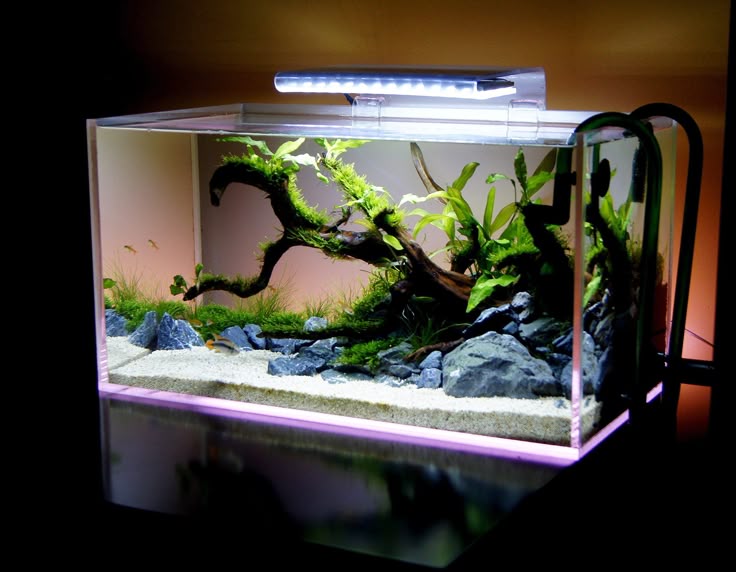
In conclusion, decorating your aquarium naturally is a rewarding journey that combines artistry and environmental responsibility. By thoughtfully selecting and preparing natural elements, incorporating them into a captivating design, and maintaining a healthy aquatic environment, you can create a truly unique and vibrant ecosystem. Remember to consider the needs of your aquatic inhabitants and prioritize sustainability throughout the process.